Ink is heavier than stone.
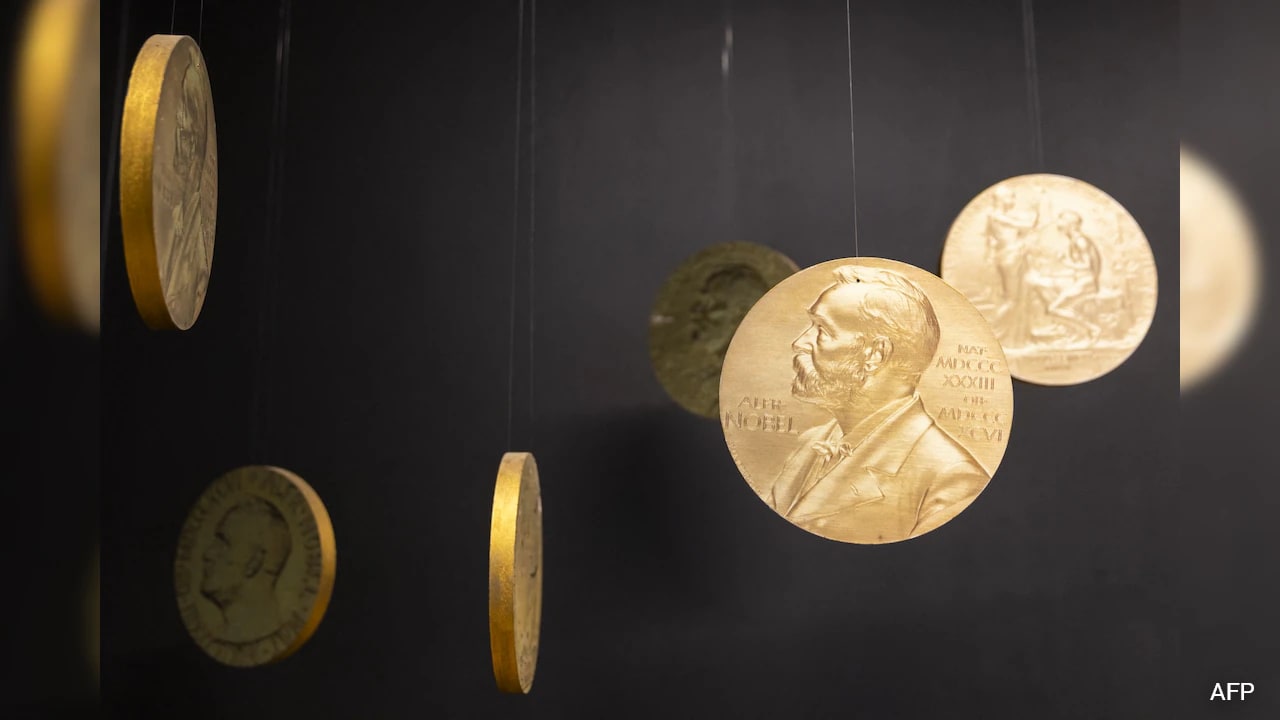
Ask anyone who has spent a sleepless night trying to resurrect a memory or translate a feeling into a shape that another human being can recognize. Words are fragile things, spun from breath and private grief, yet they outlive empires. Every October, the world holds its collective breath for a phone call from Stockholm. A quiet room. A voice with a Swedish accent. An announcement that changes an ordinary Tuesday into a place in history.
For decades, the script felt predictable. The names read aloud beneath the chandeliers often belonged to a familiar club. European libraries. North American universities. Men whose books smelled of old leather and pipe tobacco. But language does not belong to a single parish. It never did.
Step away from the oak-paneled committee rooms for a moment. Imagine a small desk in a crowded apartment in Beijing, illuminated only by the harsh blue glare of a desk lamp long after midnight. Or picture a sun-bleached porch in the Caribbean, where the salt air curls the edges of manuscript pages while children play in the dust. In those spaces, writing is not a career choice. It is a lifeline. An act of defiance against erasure.
When bookmakers and literary critics start whispering names ahead of the Nobel Prize in Literature, the conversation usually revolves around pedigree. Who has won the Prix Goncourt? Whose bibliography spans twenty volumes? But beneath the statistical spreadsheets and betting odds lies something much more urgent: the unyielding pressure of stories that refuse to stay hidden.
Consider what happens when a writer from the margins steps into the global spotlight. It is rarely just about personal triumph. It feels like an entire archipelago of silenced experiences suddenly finding a voice that echoes across continents. When women from China and the Caribbean enter the conversation as leading contenders for literature’s highest honor, we are witnessing a tectonic shift in whose stories are deemed universal.
For a long time, literature from dominant Western centers was treated as the default lens of human experience. Everything else was labeled regional, exotic, or niche. As if love, betrayal, fear, and mortality wore different clothes depending on the geography of your birthplace. That hierarchy is cracking.
Listen to the rhythm of a Caribbean novel written by someone who grew up hearing the ghosts of colonial history rustling in the sugarcane fields. The cadence is rhythmic, tidal, carrying the weight of forced migrations and vibrant survival. Now listen to the precise, porcelain architecture of contemporary Chinese prose, where every character carries the emotional fallout of rapid modernization, censorship, and ancient tradition. These are not alternate universes. They are the map of modern humanity.
Yet, handicapping the Nobel Prize is a peculiar sport. The Swedish Academy deliberates in absolute secrecy. They read voraciously, across languages and centuries, searching for work of "the most outstanding direction." They do not care about Twitter trends or pre-order sales figures. They care about the sentence. They care about whether a piece of writing manages to puncture the armor of our daily indifference.
When contenders emerge from outside the traditional centers of literary power, the stakes rise. Every nomination becomes a validation of a culture’s right to tell its own story on its own terms. It challenges the lazy assumption that great art only happens in Paris, London, or New York.
Think of the translators. The unsung heroes who carry a text across the abyss of linguistic difference. A great translation is not a mechanical substitution of words; it is a second birth. It requires an intimate empathy, an ability to let another person's heartbeat echo inside your own chest. When non-Western authors rise to global prominence, the brilliant translators working in the shadows finally step into the light, too. They prove that human emotion is fully portable. Grief translates instantly. Joy needs no passport.
The betting markets fluctuate. Journalists file their speculative dispatches. Academics debate legacies in university cafeterias. But somewhere in the world right now, a writer is sitting at a battered table, staring at a blank page, wrestling with a sentence that refuses to behave. They do not know about the prize committees. They do not care about the odds. They are simply trying to tell the truth before the morning light breaks.
That is where literature actually lives. Not in gold medals or banquet halls, but in the quiet, desperate transaction between a writer's hand and a reader's eye.
When the call finally comes from Stockholm, the world will react with applause, surprise, or debate. Headlines will flare for a week before the news cycle sweeps them away. But the books will remain. They will sit on nightstands and library shelves, waiting for the next lonely teenager or curious traveler to open them up and discover that they were never truly alone in the dark.


