The air inside the clinic smells of damp earth, dried sweat, and the sharp, chemical bite of chlorine water. It is a suffocating scent, one that anyone who has spent time near the front lines of a health emergency learns to recognize instantly. Silence hangs heavy over the room, broken only by the rhythmic scrape of a metal bucket and the shallow, ragged breathing of a patient tucked behind a plastic sheet.
Outside, the dense greenery of the Democratic Republic of Congo stretches toward an indifferent sky. Life goes on in the surrounding villages. Children chase rusted bicycle rims down dirt paths. Vendors arrange pyramids of bright red tomatoes on wooden tables. The sun beats down with relentless intensity. Yet beneath the ordinary rhythm of daily life, an ancient and ruthless shadow has returned.
Ebola does not announce itself with fanfare. It begins quietly. A headache. A mild fever. Muscle aches that mimic a common bout of malaria or the toll of heavy field work. Patients and families brush off the early signs, treating them at home with herbal teas and quiet endurance. By the time the vomiting starts, and the terrifying internal bleeding makes its presence known, the virus has already mapped out its next moves. It moves through households, through grief-stricken funeral rites where tradition demands a final touch, and outward into bustling marketplaces.
When the World Health Organization issues a warning, echoing the grave concerns of its chief, it is easy for the rest of the world to scroll past the headline. A statistic on a screen. A distant country name. Numbers rising from dozens to hundreds. But numbers do not capture the reality on the ground. They fail to convey the exhaustion etched into the faces of local nurses who have worked twenty-hour shifts without changing their boots. They omit the paralyzing fear of a mother holding a feverish infant while wondering if the clinic down the road still has clean gloves and functioning electricity.
To understand why this outbreak in the Democratic Republic of Congo demands an immediate and overwhelming response, we have to look past the clinical vocabulary of epidemiology and examine human behavior under extreme pressure.
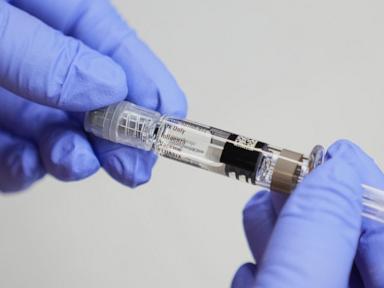
Consider the infrastructure challenges. Imagine trying to deliver life-saving vaccines that must be kept at ultra-low temperatures, not in a modern hospital with a reliable power grid, but across hundreds of miles of unpaved, mud-choked roads where bridges are washed out by torrential seasonal rains. Think about the logistics of tracking every single person who came into contact with an infected individual in a community where populations are mobile, moving fluidly across borders for trade and family visits.
This is not simply a medical hurdle. It is an intricate puzzle of trust, fear, and survival.
For decades, remote communities in Central Africa have weathered conflicts, economic neglect, and broken promises from distant governments and international bodies. When strangers in protective suits arrive carrying strange equipment, skepticism is not born of ignorance; it is forged from a long history of being overlooked until crisis strikes. Rumors spread faster than the virus itself. People whisper that the treatment centers are where people go to die, not to heal. They hide their sick relatives under blankets in back rooms, desperate to protect them from institutional isolation, tragically sealing their fates.
Breaking this cycle requires more than medical supplies. It requires a fundamental shift in how aid is delivered. It demands humility. International health organizations cannot simply parachute in with rigid protocols written in air-conditioned offices thousands of miles away. They must sit down with village elders, local healers, and youth leaders. They must listen before they speak. They have to earn the right to help.
When local community members are handed the tools of surveillance and care, everything changes. The village leader who understands the local social networks becomes the most effective contact tracer. The respected matriarch who explains the science of transmission in the local dialect bridges the chasm of distrust that no foreign expert ever could. Trust is the ultimate vaccine. Without it, even the most advanced treatments remain trapped in boxes, gathering dust while the virus spreads unchecked.
Yet trust alone cannot buy chlorine, fuel, and protective gear. It cannot pay the hazard salaries of local health workers who risk their lives every time they step through a clinic door. That is where the global community fails in its recurring cycles of panic and neglect. Funding arrives late, trickling in only after the death toll makes front-page news. Once the immediate panic subsides, the money dries up, leaving local health systems woefully unprepared for the next inevitable wave.
This reactive approach is a dangerous luxury. Viruses do not wait for bureaucratic approvals or donor conferences. They multiply in the dark, exploiting every delay, every hesitation, and every fracture in our collective readiness.
To stem the outbreak in the Democratic Republic of Congo, the response must ramp up now, before containment slips through our fingers entirely. This means prepositioning supplies before cases spike. It means investing permanently in the frontline workforce, turning temporary emergency responders into a stable, well-resourced public health infrastructure. It means recognizing that health security is not a localized charity case, but a shared global responsibility.
The air in the clinic is still heavy. A nurse steps out from behind the plastic barrier, pulling off her fogged goggles and wiping sweat from her forehead. She looks out toward the sunlit dirt road where children are still playing. She knows what is coming in the days ahead. She knows how fragile the line is between containment and catastrophe. The only question left is whether the rest of the world will look up from its screens in time to help her hold that line.