History rarely arrives with the sudden roar of an explosion. Most of the time, it comes as a murmur. A static-filled radio transmission at midnight. A memo slipped across a polished desk in the dim hours before dawn. A red light blinking on a secure terminal, ignored because the system had cried wolf too many times before.
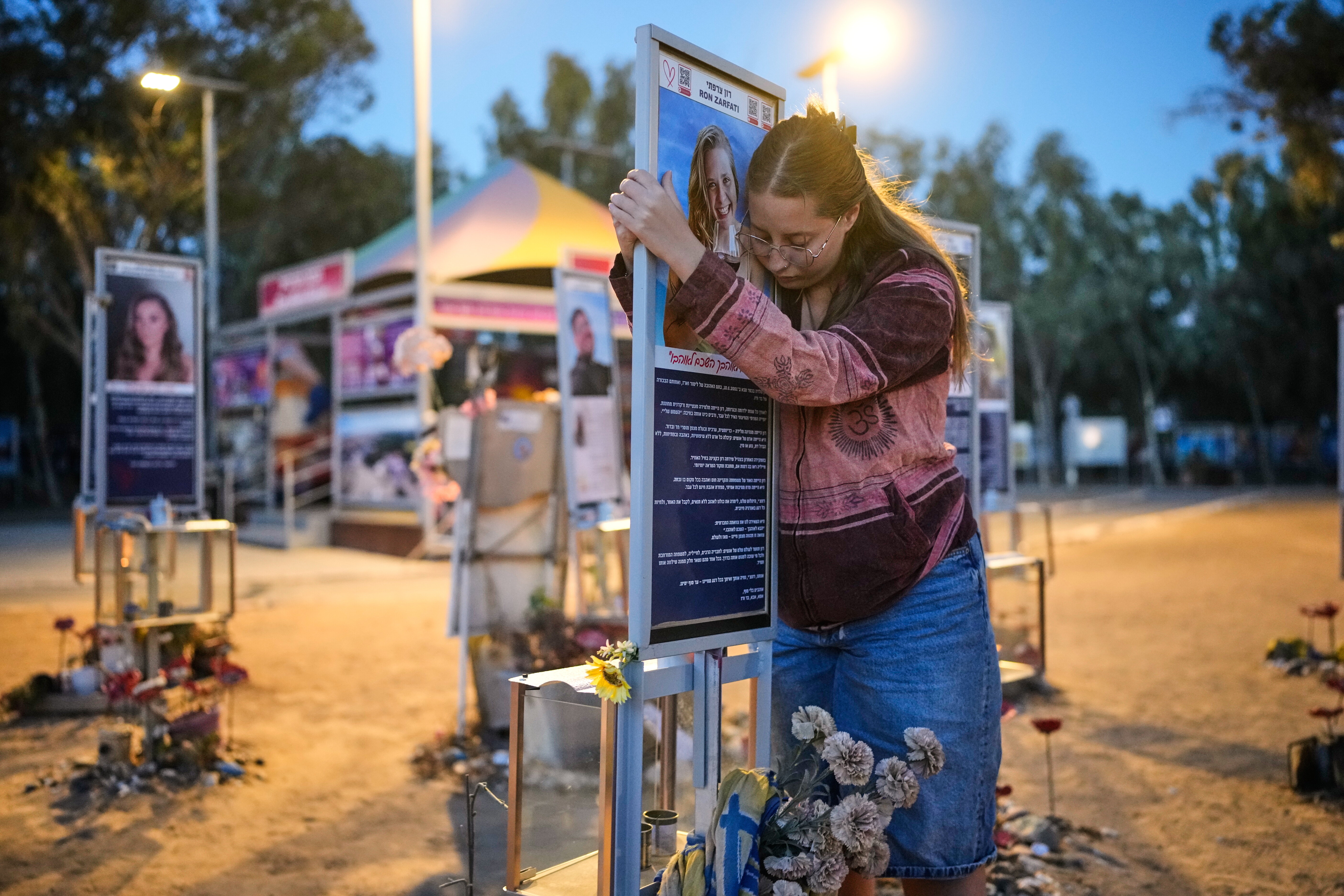
Three years have passed since the morning of October 7, 2023. Three long years of mourning, of empty chairs at dinner tables, of sirens wailing across fields that were supposed to be safe. Yet, for all the grief that hangs over the nation like a heavy shroud, a quieter, more corrosive torment has taken root in the public consciousness. It is not just the horror of what happened. It is the agonizing, gnawing question of what was known before the first breach occurred.
Consider the ordinary rhythm of a soldier standing watch on a Friday night. To understand the weight of intelligence failures, you have to strip away the grand geopolitical chessboards and look at the boots on the ground.
Imagine an eighteen-year-old surveillance operator stationed near the border fence, her eyes burning from hours of staring at blue-lit monitors. Weeks before the attack, she notices subtle shifts. Radios chatter in frequencies that have been silent for months. Training exercises across the border stop mimicking routine maneuvers and start mirroring specific targets. She flags it. She writes the report. She clicks send.
And then, nothing.
That digital document enters an administrative black hole. Somewhere up the chain of command, a senior officer is weighing probabilities, managing political optics, and clinging to a dangerous institutional assumption: They are deterred. They do not want a war.
That phrase—they are deterred—became a comforting mantra. It was an intellectual sedative. When reports piled up detailing drills, blueprints, and intercepted communications hinting at a massive, coordinated assault, the system did not lack information. It lacked the imagination to believe its own eyes. Intelligence is rarely about collecting secrets; it is about recognizing patterns that contradict your deepest wishes.
As the months pass and investigations claw their way into the light, Israelis are grappling with a terrifying truth. The warnings were not missing. They were marginalized.
In intelligence offices, analysts often speak of signal-to-noise ratio. The problem on the eve of October 7 was not that the signal was absent. It was that the noise of everyday complacency drowned out the screams of coming catastrophe. Junior intelligence personnel had mapped out the exact scenarios that unfolded. They had translated enemy training manuals, tracked the gathering storm, and attempted to sound alarms that echoed through empty corridors.
When you read through the emerging testimonies, a human tragedy of administrative hubris emerges. It is the story of professionals whose warnings were filed away under inconvenient truths. It is the psychological burden carried by those who screamed into a void, only to watch the nightmare they predicted unfold in real-time on morning news broadcasts.
Societies heal slowly when the wounds are self-inflicted by negligence. A missile fired from across a border is an external enemy. But a warning buried in an inbox, a red flag dismissed by a tired committee, or an assessment discarded because it disrupted a political narrative—those are internal fractures. They break trust. And trust is the invisible mortar holding a society together when the sirens begin to wail.
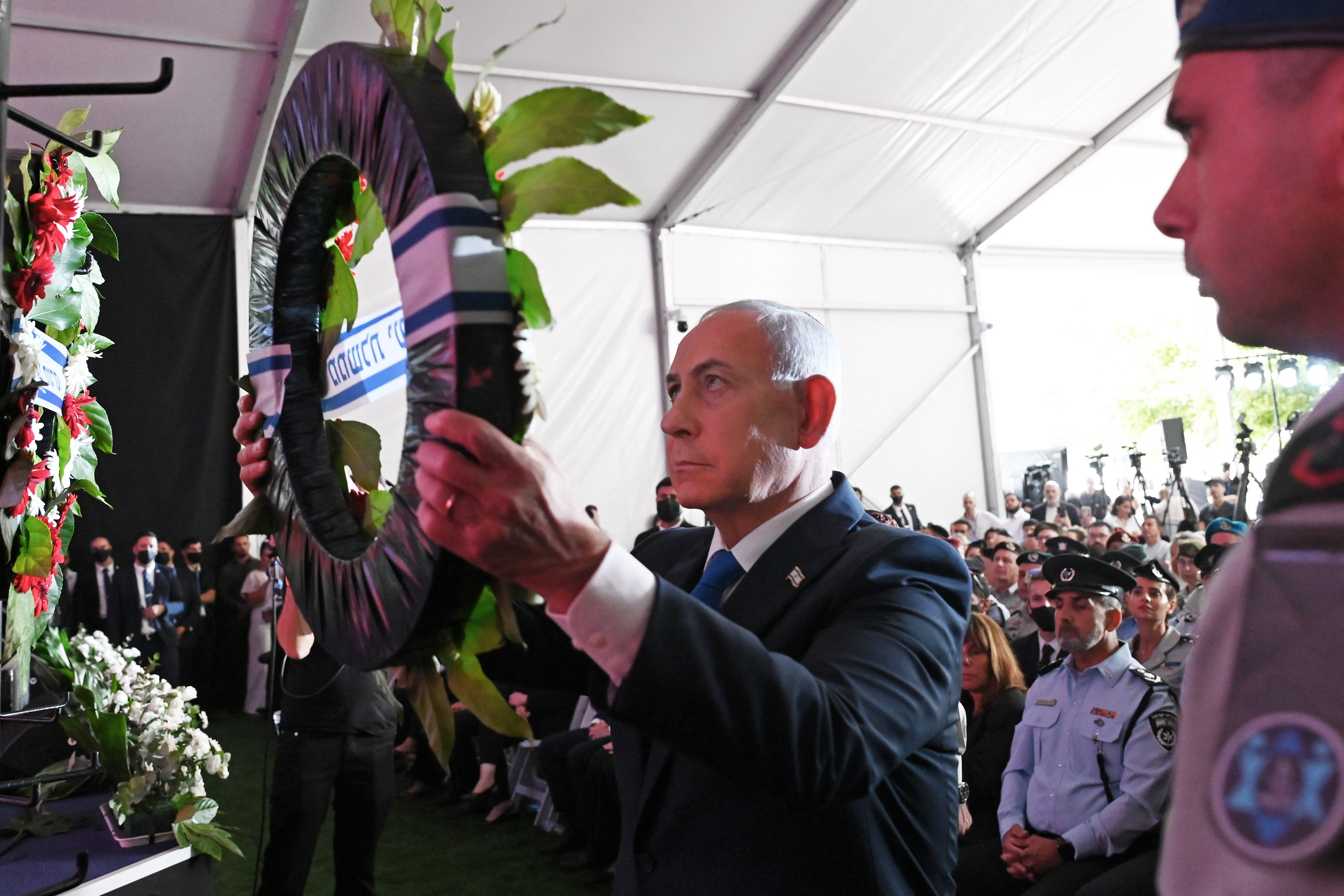
Three years on, the debate is no longer just about tactical readiness. It is about accountability at the highest echelons of power. Prime Minister Benjamin Netanyahu and the security establishment have faced relentless scrutiny over whether leadership was adequately briefed, and more importantly, why those briefings failed to translate into preemptive action.
When power is centralized, responsibility cannot be outsourced to the lower ranks. The buck stops where the decisions are made. Yet, accountability has proven as slippery as political survival. Every leaked document, every investigative committee report, and every leaked transcript only deepens the public cynicism. Citizens look at the leadership that failed to protect them, and they wonder how the machinery of state can be trusted to fix itself.
Trauma changes the texture of daily life. In the coffee shops of Tel Aviv and the agricultural communities near the southern border, the calendar has split into two distinct epochs: before and after. People still walk their dogs, buy groceries, and send their children to school. But beneath the surface veneer of normalcy, there is a hyper-vigilance. Every motorcycle backfire is measured against the memory of rolling thunder. Every political debate carries the bitter taste of betrayal.
The danger of historical amnesia is ever-present. Governments naturally seek to blunt the edges of past failures, wrapping them in bureaucratic inquiries designed to manage public relations rather than ignite fundamental reform. But the public memory refuses to be sanitized. The mothers and fathers, the soldiers and survivors, carry a ledger of unanswered questions that no press conference can erase.
To look back at October 7 with clear eyes is to stare into the abyss of human error. It is an uncomfortable reminder that massive catastrophes are rarely the result of a single catastrophic mistake. Instead, they are the culmination of a thousand tiny compromises, a million small rationalizations, and an institutional arrogance that whispers it knows the enemy better than the enemy knows themselves.
The sun sets over the Mediterranean, painting the sky in shades of bruised purple and gold. Down by the shore, children play in the sand, oblivious to the invisible weight of history pressing down on the generation that raised them. Somewhere in a quiet office, a monitor flickers in the dark, processing data streams from a troubled horizon. The data is there. The warnings are flowing. The only question left is whether anyone is truly listening this time.