Think a record-breaking 20 percent pay bump would keep the peace in professional tennis? Think again. The All England Club just found out the hard way that throwing money at a systemic problem doesn't make it go away.
Wimbledon officials recently announced a total prize money pool of £64.2 million for the 2026 championships. It is the largest single-year increase in the tournament's history, a massive £10.7 million jump from last year. First-round losers will walk away with £80,000, while the singles champions will pocket a cool £3.6 million each. On paper, it looks like a massive win for the players.
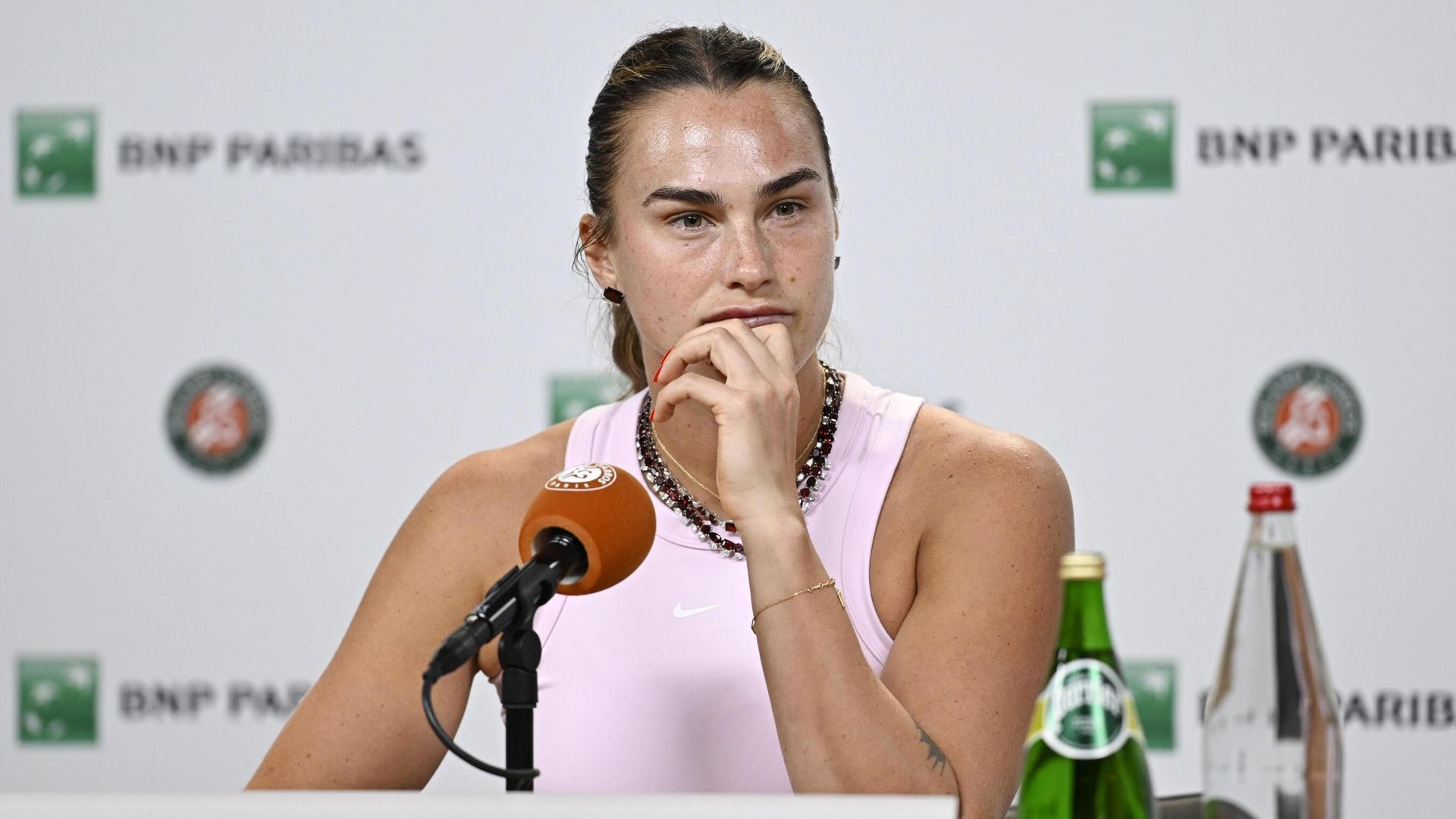
But the world’s top players aren't celebrating. Instead, they are planning a direct-action media protest starting this weekend and stretching through the entire first week of the tournament.
The core issue isn't the raw number on the check. It's the percentage of the pie. Players are tired of getting what they see as crumbs from the massive economic engine of Grand Slam tennis.
The Math Behind the 15-Minute Protest
When the tournament begins on June 29, don’t expect long, drawn-out press conferences from your favorite stars. Players like men's world number one Jannik Sinner and women's top seed Aryna Sabalenka are capping their media availability at exactly 15 minutes.
That specific number isn’t random.
The player advisory group, led by former WTA chief executive Larry Scott, estimates that Wimbledon's record £64.2 million prize pot accounts for just 14.4 percent of the £444.8 million revenue the tournament is projected to bring in this year. By limiting their media appearances to 15 minutes, the players are staging a symbolic protest against a revenue share that sits below 15 percent.
The data shows this isn’t a new grievance. Ten years ago, in 2015, Wimbledon distributed roughly 14.9 percent of its revenue to the players. Despite the tournament's overall revenue soaring by hundreds of millions over the last decade, the players' relative share has actually shrunk.
The player group is demanding a minimum 16 percent share of revenues, which would have pushed this year's prize money pool to around £71 million. They are also seeking structural changes, including contributions to a player welfare fund and the creation of an official Grand Slam player council to give athletes a real seat at the table.
Two Completely Different Business Views
The stand-off reveals a massive philosophical divide between the people who play the game and the people who run it.
Wimbledon organizers expressed deep disappointment over the planned media restrictions. All England Lawn Tennis Club chair Deborah Jevans argues that using a strict revenue-sharing formula makes no sense for an organization like theirs.
Wimbledon operates under a unique, not-for-profit model. Unlike typical commercial tournaments on the ATP and WTA tours, the All England Club filters 90 percent of its surplus back into British tennis to fund grassroots programs, coaching, and local infrastructure. Officials also point out that they have spent nearly £1 billion upgrading player facilities and performance environments since the pandemic. From the tournament's perspective, they are investing heavily in the sport's long-term health, and looking at revenue numbers without accounting for these massive operational costs is unfair.
The players see it differently. They argue that they are the primary product. Without the star power of Sinner, Sabalenka, or Coco Gauff, the television rights wouldn't be worth hundreds of millions.
Lower-ranked players face massive financial pressure. Travel, coaching, and training expenses eat up a huge chunk of their earnings. While a superstar can absorb these costs easily, a player ranked 80th in the world depends entirely on Grand Slam paydays to survive. Sabalenka made this clear, stating that her involvement isn't about her own bank account, but about fighting for the lower-ranked players who suffer under the current financial system.
Where Does the Sport Go From Here
This media protest is a calculated shot across the bow. By refusing to speak to major broadcast rights holders beyond the mandatory 15-minute window, the players are targeting the tournament's financial partners. It is a subtle reminder of the leverage the athletes hold.
What happens next depends entirely on whether the All England Club is willing to budge on structural reforms. While tournament officials have shown some openness to creating a players' council, they remain firmly opposed to tying prize money to a fixed percentage of revenue.
If talks remain stalled, the tension will only escalate as the US Open approaches later this summer. Some players have already hinted that a full tournament boycott could be the ultimate destination if their voices continue to be ignored.
Pay close attention to the post-match press conferences during the first week. The real battle at SW19 this year might be happening in the media room rather than on the grass courts.


