The monsoon does not merely rain in the Himalayas; it arrives with the weight of an ocean dropped from the sky. Mud turns to grease. Trails carved into slate cliffs simply slide away, taking centuries of footing with them in a single afternoon. When the Trishuli River swells, fed by relentless glacial melt and torrential cloudbursts, it stops being a body of water and becomes a moving wall of gray concrete and shattered pines.
Entire communities wake up to find themselves marooned.
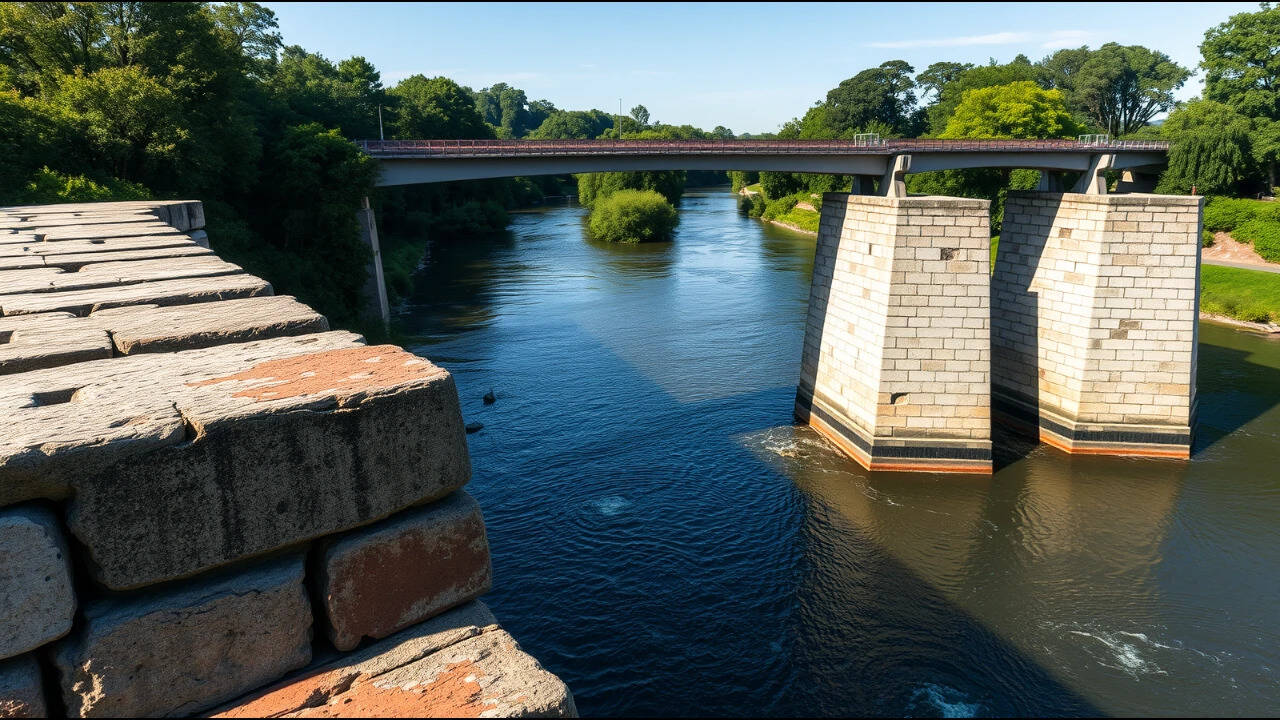
Consider Devighat, a cluster of stone homes and terraced fields in Nepal where the geography dictates every breath you take. For generations, the rhythm of life here depended on the river crossings—crude timber bridges slung between banks, or long, exhausting detours that turned a two-hour market run into a multi-day ordeal. When the monsoon of 2024 battered the region, those bridges did not just bend; they vanished. Concrete piers cracked like dry twigs. Footpaths dissolved into sheer drops of churning froth.
Isolation is a quiet kind of violence. It stops the flow of medicine, chokes off commerce, and keeps children from school.
Then came the wire.
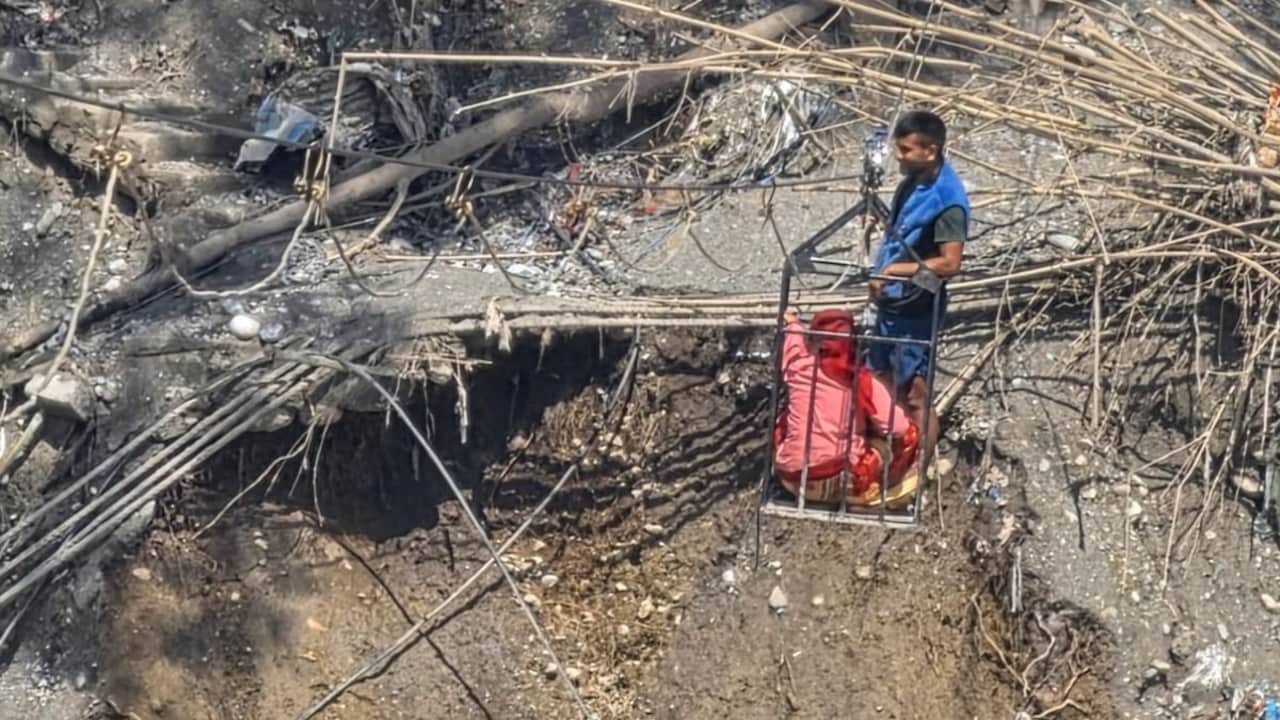
Strung high above the roar of the water, a simple zipline became the thin, silver thread holding Devighat to the outside world. It looks makeshift to an outsider—a taut cable, a steel pulley, and a hanging harness that looks entirely too fragile for the forces acting upon it. But necessity is an unforgiving architect.
Stand on the riverbank when the crossing is operating, and you hear the high-pitched whine of steel on steel cutting through the thunder of the current. Bags of rice, plastic jerrycans of kerosene, sacks of green lentils, and occasionally a terrified goat or a brave villager hook onto the line. They do not cross the river; they fly over its teeth.
(Note: While cargo ziplines are traditionally engineered for forestry or logging, this deployment in Devighat represents an improvised humanitarian lifeline born of immediate geographic desperation.)
This is engineering stripped of blueprints and municipal budgets. It is the physics of survival. A single strand of galvanized steel bears the weight of a community's endurance, proving that when formal infrastructure fails, human ingenuity simply finds another frequency.
Local farmers, whose livelihoods depend on getting fresh produce down the valley before it rots in the humid heat, watch the cable with a mixture of reverence and exhaustion. Every bundle sent across is a gamble against gravity, but it is a better bet than waiting for a government contractor to rebuild a concrete span during peak monsoon season.
The zipline does not solve the underlying vulnerability of the region. It is a bandage over a gaping wound in rural accessibility. Yet, watching a bag of life-saving antibiotics glide silently through the mist, suspended over a torrent that would swallow a truck whole, you realize something fundamental about how the world actually works.
Progress is not always a six-lane highway or a high-speed rail. Sometimes, progress is just a very strong wire, pulled tight across the abyss, waiting for morning.