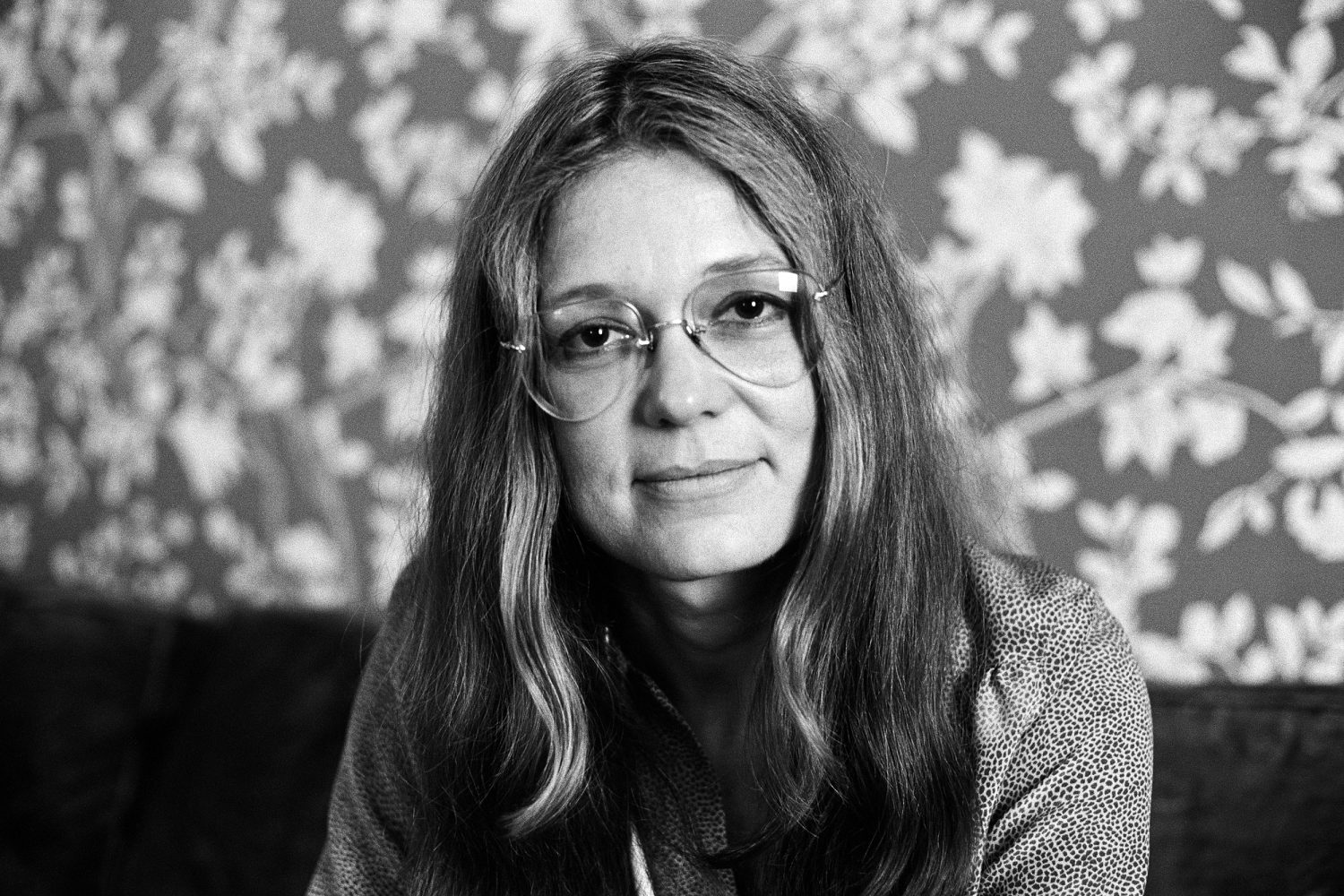
The kitchen table in 1971 was covered in greaseproof paper, scattered pages of typewritten manuscript, and coffee cups that had long since gone cold. Outside, New York moved with its usual aggressive roar, indifferent to the quiet revolution brewing over lukewarm decaf. Gloria Steinem was there, her aviator glasses catching the low afternoon light, her streak of silver hair already cutting a sharp line against the amber waves.
She was thirty-seven years old. She had already lived several lives.
To the glossy magazines of the era, she was the accidental icon, the glamorous undercover Bunny who had exposed the grim, aching reality behind the satin ears and stiff corsets of the Playboy Club. But to herself, and to the women sitting elbow-to-elbow in that cramped room, she was simply someone who had finally stopped apologizing for taking up space.
Most people remember the noise. The television screens flickering with shouting heads in wood-paneled studios, the protest chants echoing off the concrete canyons of Washington, the fierce debates over the Equal Rights Amendment that cleaved families right down the middle. We remember the media framing her as an anomaly—a contradiction wrapped in a silk scarf and a fitted blazer. How could someone so stylish demand something so disruptive?
The question itself was a trap. It assumed that freedom had a dress code.
Step back for a moment. Imagine walking into a newsroom in 1965. The air is thick with the heavy, sweet scent of tobacco and cheap ink. The secretaries, brilliant women with sharp minds and typing speeds of ninety words per minute, fetch the coffee, proofread the copy, and watch the men with bylines take the credit. They are called girls. They are expected to stay girls until they marry, after which they are expected to vanish into the suburbs to polish silver and tend to nurseries.
Gloria walked into those rooms and saw something else. She saw a vast, untapped continent of human experience being treated as a footnote.
When Ms. Magazine launched as a insert in late 1971 and then as a standalone publication in 1972, the establishment laughed. They called it an emotional experiment, a flash in the pan fueled by bra-burning myths and urban folklore. The mainstream press predicted it would fold in six months. They did not understand that Ms. was not just a magazine. It was a mirror held up to millions of women who had spent their entire lives believing their private miseries were personal failures rather than systemic designs.
The magazine received thousands of letters a week. They arrived in crates. They were damp with tears, stained with coffee, scrawled on lined notebook paper and elegant stationery alike.
I never told anyone this.
That five-word confession became the heartbeat of a movement. Gloria read those letters. She sat on planes across the American heartland, speaking in drafty high school gymnasiums and union halls, listening to women talk about quiet desperation, trapped marriages, blocked promotions, and the heavy, suffocating weight of being owned.
She did not offer silver bullets. She offered a vocabulary.
There is an old, persistent myth that social change is driven by grand manifestos written by men in ivory towers. History proves otherwise. Change is forged in the grueling, unglamorous work of listening to people until they feel safe enough to tell the truth. Gloria spent decades on the road, crossing time zones in commercial coach seats, wearing out sensible boots, eating airport sandwiches, and listening. Always listening.
She understood a fundamental truth about power: those who hold it want you to feel isolated. They want you to believe that your exhaustion, your underpayment, and your lack of autonomy are uniquely yours—a private flaw in your character. By building networks of shared recognition, she broke the isolation.
Her life spanned nine decades, stretching from the mid-twentieth-century post-war consensus into an era of digital noise and hyper-polarized screens. She watched the victories roll in, hard-fought and bitterly contested: reproductive rights secured, legal barriers cracked open, boardrooms reluctantly admitting the presence of women who refused to sit quietly at the back.
She also lived to watch those victories dragged back into the courtroom, targeted by a relentless political backlash that proved progress is never a straight line.
When news broke of her passing at ninety-two, the tributes flooded the digital ether. Headlines scrambled to capture her essence. Pioneer. Icon. Legend.
Words like that feel too heavy, too marble-cold to capture a woman who spent her life laughing easily, dancing in hotel rooms after long conferences, and refusing to adopt the solemn, humorless tone her detractors tried to force upon her. She was remarkably human. She struggled with public speaking early in her career, her voice shaking with adrenaline before she stepped onto a stage. She endured intense personal scrutiny, her romantic choices and personal life parsed by tabloid journalists who could not fathom a woman who defined her worth entirely outside the institution of marriage—at least until her late seventies, when she surprised everyone by marrying Christian Bale's father, David Bale, in a quiet ceremony that lasted until his passing.
Consider the arc of her days. She lived through a century that tried desperately to categorize her, to pigeonhole her into a neat little box labeled "troublemaker" or "muse." She systematically dismantled every label they handed her, using wit as a scalpel and empathy as a shield.
At ninety-two, her journey ended, but the weight of what she set in motion remains untouched by time.
The kitchen table is gone. The typewriters are gathering dust in museums. But the pen remains in our hands, still waiting for the rest of the story to be written.