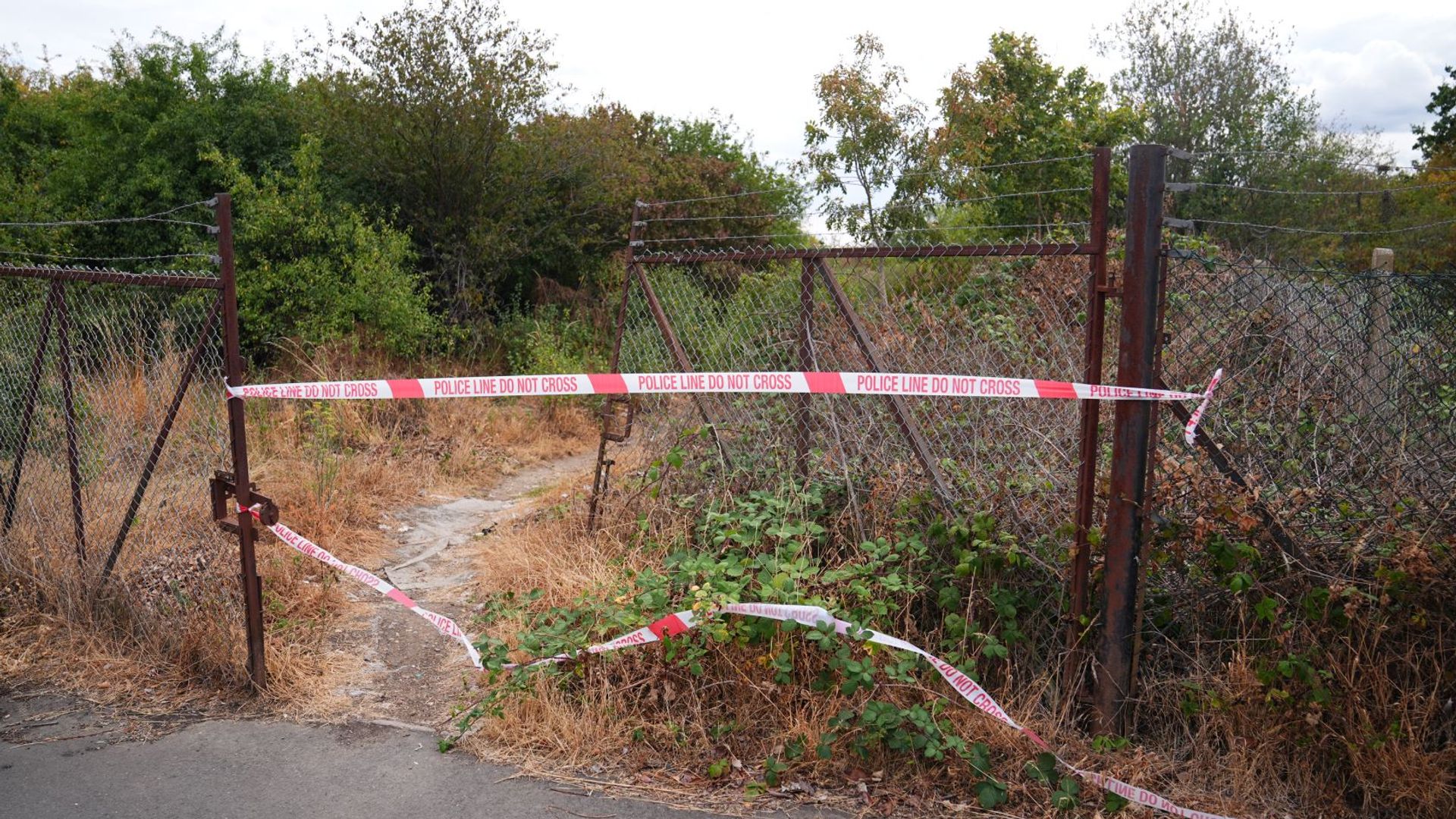
Human remains discovered in a remote woodland area trigger an immediate, high-stakes homicide investigation that transforms local forests into crime scenes governed by forensic anthropology, pathology, and procedural rigor. When a body is recovered from a wooded environment, the race against time begins long before an identity is ever confirmed. Investigators face a silent witness that has already been altered by weather, wildlife, and time.
The immediate reality of finding human remains in a secluded wooded sector involves a multi-agency response that operates under strict protocols. Police cordons stretch for miles. Specialized search teams grid the terrain centimeter by centimeter. Forensic entomologists examine insect activity on and around the site to establish the post-mortem interval. Every fallen branch, disturbed patch of moss, and displaced piece of leaf litter becomes a potential clue in a puzzle that someone went to great lengths to hide.
The Brutal Physics of Woodland Crime Scenes
Woods are dynamic ecosystems. They are not static vaults. When a body is left or buried in a forest, nature immediately begins an aggressive process of reclamation.
Scavengers pose the first major hurdle for investigators. Foxes, badgers, rodents, and birds can scatter skeletal elements across vast radiuses within days. Forensic recovery teams must sift through topsoil, leaf mold, and root systems with painstaking patience. They use fine-mesh screens to recover teeth, small bones, and personal effects that might otherwise vanish into the undergrowth.
Vegetation also tells a story. Plant roots grow around and through remains, offering a rough timeline of how long organic material has rested in a specific spot. Botanists analyze root growth rings to determine if a body was deposited during a specific seasonal window years prior.
Beyond the Obvious Clues
Media reports often focus on the discovery itself, glossing over the grueling forensic work happening behind closed doors. Identifying human remains from a woodland recovery site requires advanced forensic science.
When soft tissue is degraded or entirely absent, the skeleton becomes the primary archive. Forensic anthropologists examine pelvic bones and skulls for sexual dimorphism, cranial sutures, and structural anomalies. Dental records remain a cornerstone of positive identification, though modern investigations increasingly rely on familial DNA profiling and isotope analysis of teeth and hair. Isotope signatures trapped in bone enamel reveal where a victim lived and what they consumed years before their death, often narrowing down geographic origin when missing persons databases span multiple jurisdictions.
Pathologists working on these cases look for trauma that survives decomposition. Sharp force trauma leaves distinct striations on bone surfaces. Ballistic impacts leave internal beveling or fracture patterns that tell investigators the caliber, angle, and distance of a shot. Even if soft tissue is gone, the skeleton retains a permanent record of violence.
The Bureaucracy of Murder Investigations
Behind the science lies an administrative and operational machine. A major murder investigation draws resources from regional crime squads, intelligence units, and national databases.
Jurisdictional lines complicate matters. Woods often span municipal, county, or national park boundaries. Establishing who holds primary command authority can lead to friction during the critical first forty-eight hours. Logistics present another invisible barrier. Transporting heavy equipment, mobile command units, and specialized lighting into dense forestry requires heavy-duty transport and hours of manual labor, all while preserving chain of custody for every piece of evidence collected.
Detectives must simultaneously chase two opposing tracks. They build a profile of the victim from the physical evidence while scouring missing persons records across the country. They interview local landowners, hikers, hunters, and forestry workers who might have noticed an unfamiliar vehicle parked near logging roads weeks prior.
The Long Road to Accountability
Solving a homicide originating from a woodland discovery rarely happens overnight. Cases that begin with anonymous remains can take months or years to yield an arrest.
Cold case units frequently inherit these files when initial leads dry up. DNA technology evolves, turning once-unusable genetic samples from bone fragments into viable profiles stored in national criminal databases. Genetic genealogy has breathed new life into decades-old John and Jane Doe cases, allowing investigators to trace distant relatives and work backward to a positive identification.
The forest eventually returns to normal. The police tape comes down. The forensic teams pack up their sifters and soil samples. The quiet returns to the trees. But the file remains open, resting on a detective's desk, waiting for the single piece of information that turns a nameless woodland mystery into a day in court.