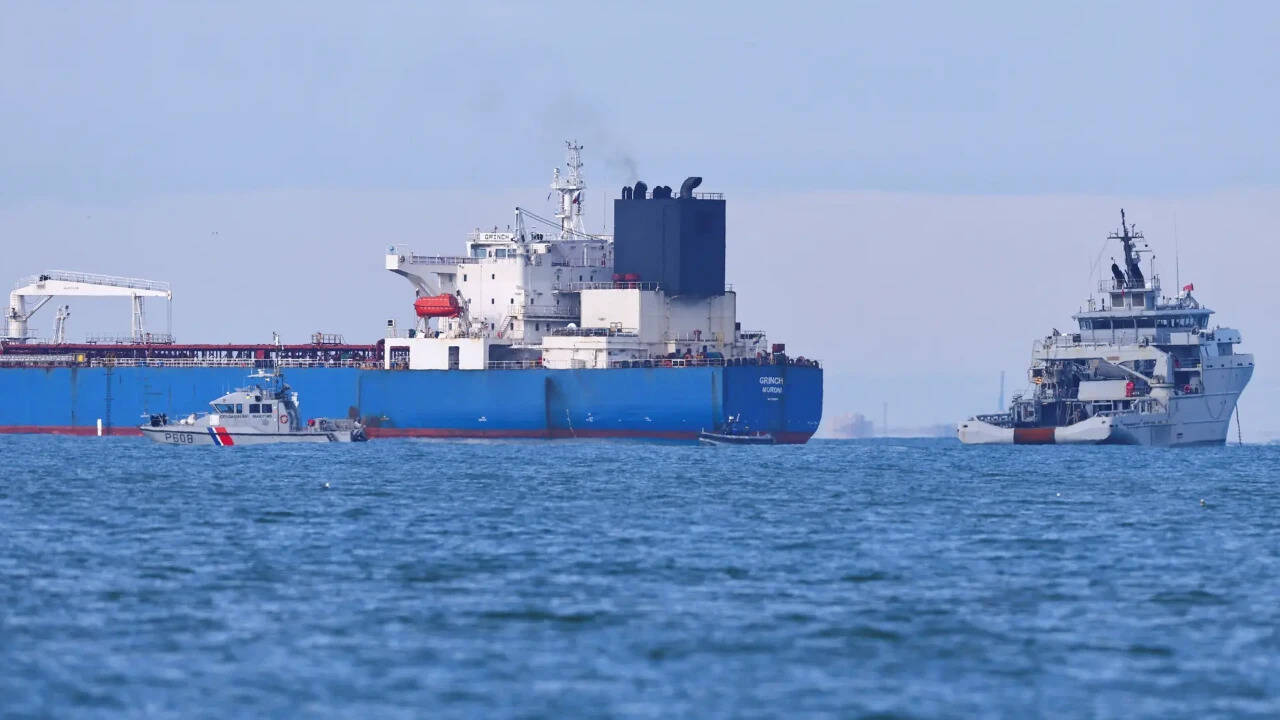
When the East-West Pipeline went down following regional drone strikes, the global energy apparatus held its breath. The artery carrying crude across the Arabian Peninsula from Abqaiq to the Red Sea port of Yanbu isn't just another piece of infrastructure. It's the primary escape valve keeping crude moving when chokepoints like the Strait of Hormuz face severe geopolitical friction.
Saudi Arabia officially restarting oil loadings at Yanbu changes the short-term math for international refiners who spent weeks scrambling for replacement barrels. But looking at this single headline without understanding the structural engineering reality behind it misses the real story.
The Logistics Behind the Red Sea Pivot
Most casual observers treat pipelines like simple garden hoses. Turn the valve, and liquid pours out the other end. Reality is far more brutal. Spanning roughly 1,200 kilometers across punishing desert terrain, Saudi Aramco's Petroline moves millions of barrels daily under immense pressure.
When multiple pumping stations took direct hits during the autumn security incidents, the damage wasn't just aesthetic. Engineers had to bypass damaged segments, reroute power grids, and conduct rigorous integrity checks before a single tanker could dock at Yanbu or Al Muajjiz.
[ Eastern Province Fields (Abqaiq) ] ---> [ East-West Pipeline / Petroline ] ---> [ Yanbu Red Sea Terminal ]
The restart means Saudi Aramco has successfully brought throughput back up toward pre-attack baselines, clearing out congested terminal inventories that had spiked during the brief export freeze.
Why Refiners Were Sweating
European and Mediterranean refiners depend heavily on Yanbu. When loadings stopped, the ripple effects were immediate. Cargoes were canceled, and alternative medium-heavy grades like Johan Sverdrup from the North Sea saw premiums shoot up dramatically as buyers competed for identical oil density.
+-----------------------------------+----------------------------------------+
| Impact Area                       | Immediate Market Reaction              |
+-----------------------------------+----------------------------------------+
| European Refineries               | Cargo cancellations & feedstock shifts |
| North Sea Grades                  | Premiums spiked significantly          |
| Global Freight                    | Increased Red Sea security monitoring  |
+-----------------------------------+----------------------------------------+
When supply routes shift this violently, margins for gasoline and diesel distillates shift right along with them. Refiners operating on tight processing spreads suddenly found themselves paying through the nose for spot deliveries, proving just how fragile modern supply chains remain despite decades of optimization.
The Dual Vulnerability Dilemma
Bypassing the Strait of Hormuz solves one major geographical bottleneck, but it introduces another layer of operational risk. Pumping oil west to Yanbu means tankers must navigate the Red Sea and approach the Bab el-Mandeb strait, which has faced its own share of regional security threats.
Saudi Arabia basically trades an eastern maritime risk for a western one. While overland pipelines offer better protection than open-water shipping lanes, the pump stations sitting out in the open desert remain high-value targets for asymmetric warfare. Aramco's ongoing investments in pipeline redundancy and rapid-repair bypass kits show that leadership knows physical security is the primary variable determining future export stability.
What Happens Next for Energy Prices
Markets hate uncertainty more than bad news. The swift restoration of Yanbu operations provides a tangible anchor for traders trying to price crude volatility. Yet, domestic consumption patterns inside Saudi Arabia also shifted during the outage, with crude prioritized for local refineries rather than export terminals.
As tanker queues clear out along the Red Sea coast, expect export volumes to normalize over the coming weeks. Keep an eye on freight rates out of Yanbu and watch how quickly European buyers return to term contracts versus spot purchases. That recovery pace will tell you everything you need to know about actual market health.


