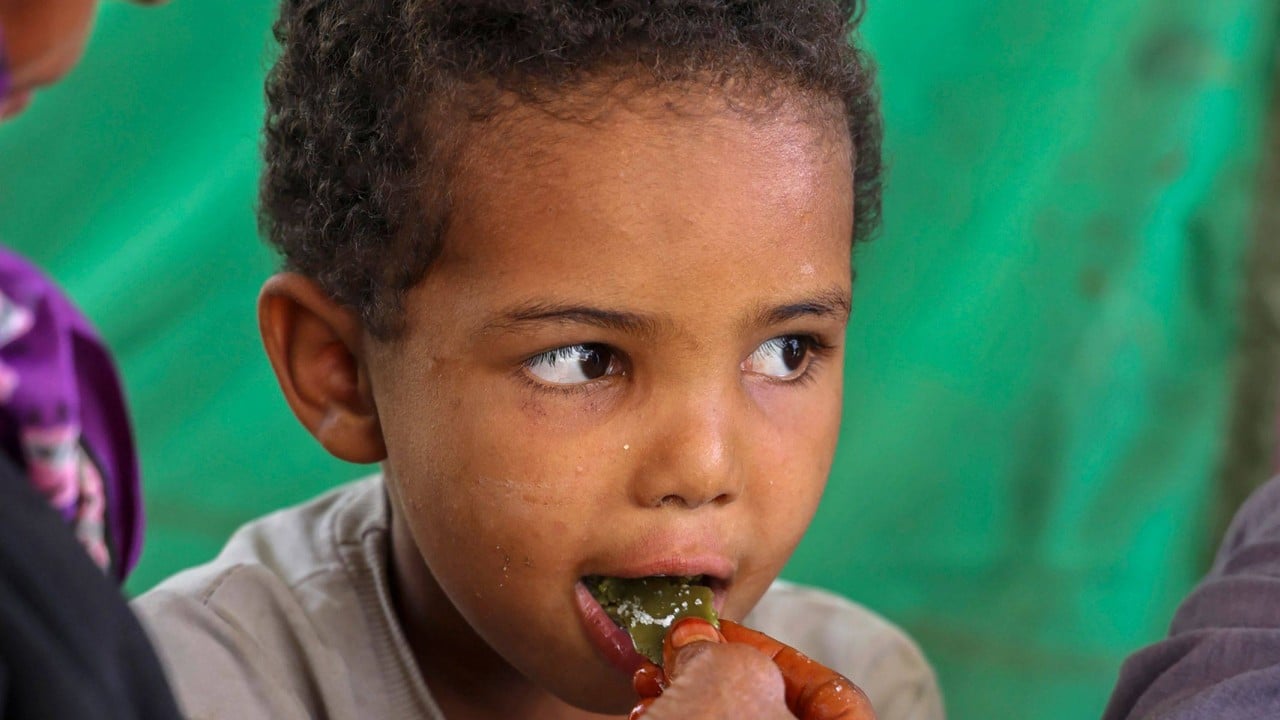
Families in Yemen are boiling tree leaves for dinner.
It sounds like a dystopian exaggeration. It isn't. In villages across Hajjah governorate and the Tihama coast, survival now depends on the leaves of the local Asaf tree. Parents boil them down into a bitter green paste just to give their children something to swallow.
This isn't a natural disaster. It's a man-made collapse. Years of conflict tore the economy apart, but the current breaking point is a quiet one. International aid is drying up. Major humanitarian agencies face staggering funding shortfalls, forcing them to slash food rations to millions of people. When the aid trucks stop coming, the leaves are all that remains.
We need to talk about why this is happening right now, who is being hit the hardest, and why the global community looks away.
Inside the Reality of Yemen Tree Leaves Diets
When you look at global hunger statistics, the numbers lose their meaning. Millions here, billions needed there. Let's look closer.
Take a typical family in the rural districts of northern Yemen. The local economy is dead. Fuel prices are too high to pump water for traditional crops. Casual labor jobs pay pennies, if you can find them. For a long time, monthly or bi-monthly food baskets from organizations like the World Food Programme kept these families alive. They got flour, cooking oil, and lentils.
Then the cuts hit.
First, the baskets came every two months instead of every month. Then the portions shrank. Finally, shipments stopped entirely for certain regions deemed less critical by data algorithms.
To prevent starvation, communities turned to what grows naturally. The Asaf vine is a tough, drought-resistant plant. It isn't meant for human consumption in large quantities. It tastes incredibly bitter and has almost no nutritional value. Eating it long-term causes severe stomach cramps, diarrhea, and malnutrition spikes in toddlers.
Parents know this. They still light the fire and boil the leaves. They do it because watching a child cry from hunger pangs is worse than watching them get sick from a leaf. It is a choice no one should ever make.
Why Global Aid is Vanishing
The aid cuts didn't happen in a vacuum. A perfect storm of global fatigue and redirected funding caused this crisis.
Donors are tired. The conflict in Yemen has dragged on for over a decade. In the eyes of international lawmakers, it is an old story. New, high-profile conflicts across Europe and the Middle East dominate the news cycle and capture government budgets. Yemen shifted to the back burner.
Economic inflation hit donor nations too. Western governments scaled back their foreign aid percentages to focus on domestic economic pressures.
There's also a massive issue with local interference. Aid delivery inside Yemen is notoriously difficult. Bureaucratic hurdles, blocked ports, and direct interference from local authorities mean that getting a grain silo filled and distributed requires navigating a logistical nightmare. Some donors stopped giving simply because they couldn't guarantee the food would reach the people who needed it most.
The human cost of these political standoffs is devastating. The United Nations Office for the Coordination of Humanitarian Affairs (OCHA) consistently reports that funding goals for Yemen are missing by billions of dollars every single cycle.
The Myth of the Ceasefire Comfort Zone
A major misconception about Yemen is that because large-scale aerial bombardments have slowed down compared to five years ago, the crisis is over.
That is flat wrong.
The lack of active front-line fighting doesn't put food on a table. The economic blockade remains stifling. The split currency system between different regions of the country makes everyday goods unaffordable. Inflation is rampant. A single bag of flour can cost a month's salary for those lucky enough to have a job.
Peace isn't just the absence of bombs. It's the presence of stability. Right now, Yemen has neither. The current state of "no war, no peace" keeps the country in a permanent economic chokehold. The people aren't dying from shrapnel; they're dying from a slow, agonizing lack of calories.
Beyond the Leaves: What True Support Looks Like
Sending more short-term food baskets is vital to stop immediate starvation, but it won't fix the underlying rot. We have to change the strategy.
True support means investing in local market resilience. It means repairing water infrastructure so farmers can grow actual food instead of relying on imported grain. It means stabilizing the local currency so a mother can buy milk at a market without needing a stack of cash the size of a brick.
If you want to make an actual difference right now, you have to support organizations that maintain a physical presence on the ground despite the funding cuts. Groups like Médecins Sans Frontières (MSF) and local Yemeni NGOs often operate in areas where larger agencies have scaled back. They treat the acute malnutrition caused by these leaf diets.
You can also pressure representatives to decouple humanitarian aid from political negotiations. Food should never be used as a lever to force compliance in peace talks.
The situation in Yemen is a stark reminder of what happens when the world gets bored of a crisis. Individuals can keep the pressure on. Talk about it. Share the reality of what is happening in Hajjah. Don't let a family eating leaves become normal.


