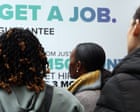
The traditional promise of the modern economy is dead, and the generation under 25 knows it. You study hard, you rack up debt, you draft an flawless CV, and you get rewarded with a stable career. That was the formula. But a massive breakdown in confidence is sweeping through young workers, and it isn't just a temporary dip in morale.
A fresh report by the Institute for Public Policy Research (IPPR) reveals a brutal truth. A record number of young people now fear long-term unemployment, losing faith that hard work will actually lead to success. For a deeper dive into similar topics, we suggest: this related article.
Only one in four people aged 16 to 29 believe that everyone has a fair shot to succeed based on talent and effort. Compare that to the older generations—where over 40% of over-70s still believe in the meritocracy myth—and you see a massive generational chasm. The system isn't working for the young, and they're shutting down.
The Million-Neet Crisis
We aren't talking about a vague sense of workplace anxiety here. The numbers back up the fear. For broader context on the matter, comprehensive reporting can be read at USA Today.
The number of young people aged 16 to 24 who are not in education, employment, or training (Neets) has officially blown past the one million mark. It's the highest level seen in a decade.
An interim review led by former minister Alan Milburn warned that Britain is on track for a 25% surge in this figure, potentially hitting 1.25 million by 2030 if the current trajectory holds. He didn't mince words, calling it a potential "lost generation."
But if you look closely at the data, the real story isn't just about people failing job interviews. It's about economic inactivity.
- Dropping Out Completely: A staggering 60% of young Neets are currently classified as economically inactive. They aren't actively searching for work anymore.
- Zero Experience: Six in ten young people in the Neet category today have never held a single job. In 2005, that figure was just four in ten.
- The Health Factor: Among those who are inactive, four out of ten are dealing with long-term sickness or chronic mental health struggles.
The general youth unemployment rate has climbed to 16.2%, up from 14.2% just last year. That is nearly three times the overall national unemployment rate. The gap between the young and the rest of the workforce hasn't been this wide since the fallout of the 2010 financial crisis.
Why the Career Deal No Longer Adds Up
Why are 16-to-21-year-olds losing hope faster than any other group? Honestly, it's a completely rational response to the economy they inherited.
Today's young adults grew up in the shadow of austerity, had their critical school years disrupted by pandemic lockdowns, and entered a job market crushed by a relentless cost-of-living crisis.
When people spend less money, the sectors that traditionally give young workers their start—hospitality, retail, and entertainment—are the first to shrink. Job vacancies in these entry-level fields have tanked.
At the same time, the price of everything has skyrocketed. According to data from the Prince's Trust, over half of young people worry they'll never achieve financial security. When a basic entry-level job doesn't cover rent, and a degree guarantees debt rather than a career, the motivation to participate evaporates.
The Mental Health Trap
There's a brutal feedback loop happening here. The isolation of the pandemic era triggered a massive spike in youth mental health issues. Now, those issues are preventing people from entering the workforce.
[Poor Mental Health] ──> [Barriers to Interviewing/Working]
        ▲                                     │
        │                                     ▼
[Loss of Purpose/Stability] <─── [Long-Term Unemployment]
Unemployment actively damages your mental health, stripping away routine and social connection. It's a vicious cycle that locks people out before they even get a foot in the door.
The Real Cost of a Checked-Out Generation
When thousands of young people decide the game is rigged and stop trying, it isn't just a social tragedy. It's an economic disaster.
The IPPR points out that this drop in confidence disincentivizes young people from studying, training, or building up savings. Why bother investing thousands of hours into learning a skill if you're convinced the market will just reject you anyway?
This has a long-term scarring effect. Academic research consistently shows that spending prolonged periods out of work in your late teens and early 20s permanently depresses your lifetime earning potential. It stalls skills development and leaves an permanent gap on a resume that takes decades to overcome.
What Actually Needs to Change
Fixing this requires moving past generic advice. Politicians love to talk about cutting benefits to force people back to work, but the data shows that approach is fundamentally flawed.
Nearly half of young Neets don't even claim benefits. Another 20% are too unwell to look for work. Punitive policies won't solve a problem rooted in poor health and a lack of entry-level opportunities.
If we want to reverse this trend, the focus has to shift toward structural support.
- Targeted Mental Health Support Linked to Job Training: Since anxiety and mental health are the primary barriers to work for nearly a third of out-of-work youth, career centers need integrated mental health specialists. You can't fix an employment issue without addressing the health issue underneath.
- Rebuilding Entry-Level Work Experience: The transition from school to work is broken. Employers need greater incentives to hire and train young people who have zero previous job experience, particularly in sectors that have automated their entry-level roles.
- Investing in Further Education and Trades: Funding for further education colleges has been squeezed for over a decade. Reviving these practical, local training hubs is the fastest way to give young people marketable skills that don't require taking on massive university debt.
The current system is failing a generation, and the fear of long-term unemployment isn't laziness—it's a warning sign that the entry points to the economy are broken. Turning this around means making sure that hard work actually pays off again.


