Anthony Albanese stands at a podium and uses the word "constructive" to describe Australia’s involvement in the escalating friction with Iran. It is a masterclass in linguistic sedation. In the sanitized world of diplomatic briefings, "constructive" usually means providing the logistics, intelligence, and diplomatic cover for a kinetic outcome that nobody wants to name.
The competitor's narrative suggests Australia is a moderating influence, a middle power trying to pull the big players back from the brink. This is a delusion. Australia isn’t the referee in this fight; it’s the guy holding the towel for the heavyweight champion. To understand the actual mechanics of Australian foreign policy, you have to stop listening to the press releases and start looking at the integrated architecture of the AUKUS era. For an alternative perspective, check out: this related article.
The Myth of the Independent Middle Power
For decades, the Australian public has been fed the "middle power" trope. The idea is that we are small enough to be trusted but large enough to matter. It’s a comfortable lie. In reality, Australia’s strategic posture is now so deeply intertwined with US Indo-Pacific and Central Command objectives that "independence" is functionally impossible.
When the Prime Minister talks about a "constructive role," he is referring to the seamless integration of Australian Pine Gap intelligence and RAAF logistics into a broader Western coalition. We aren't just "helping." We are a force multiplier. If you think Canberra has the lateral room to tell Washington "no" when the drums of war beat regarding the Strait of Hormuz, you haven't been paying attention to the last twenty years of defense procurement. Further analysis on this trend has been shared by The Guardian.
The cost of this "constructive" role is the total erosion of Australian agency. We’ve traded our ability to stay neutral for a seat at a table where we don’t get to set the menu. I’ve seen bureaucrats in Canberra spin this as "deep interoperability." In the private sector, we’d call it a hostile takeover where the subsidiary thinks it’s still running the board meetings.
Iran is Not a Distraction—It’s the Pivot
The common misconception is that the "War on Iran" (whether cold or hot) is a distraction from the real threat: China. The "lazy consensus" says Australia should ignore the Middle East to focus on the Pacific. This ignores the brutal reality of energy security and global shipping.
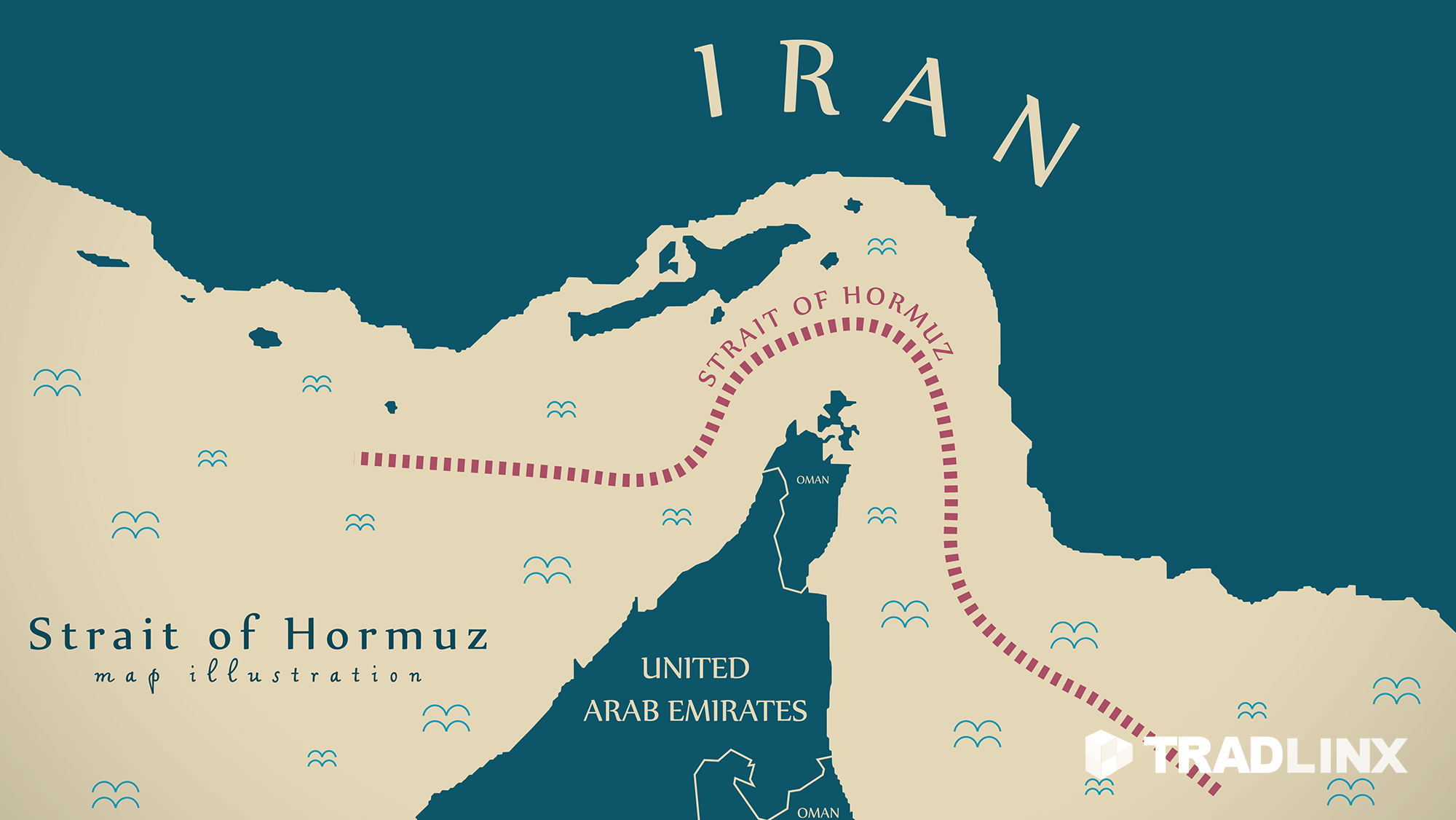
If the Strait of Hormuz closes, the Australian economy doesn't just "slow down." It halts. We have some of the lowest fuel reserves in the OECD. Our "constructive" role isn't about human rights or regional stability; it’s a desperate attempt to ensure that the global energy spigot remains open.
However, the irony is thick. By leaning so heavily into the US-led containment of Iran, Australia increases the risk of the very disruption it fears. We are participating in a feedback loop of escalation. We send a destroyer or a handful of staff officers, call it "proportional," and then act surprised when our trade relations in other sectors face "unexpected" friction.
The Intelligence Trap
Everyone asks: "What is Australia actually doing?"
The answer is rarely on the front page. It’s in the data.
Pine Gap isn't just a weather station, and everyone knows it. It is a critical node in the US global surveillance and strike apparatus. When Albanese says we are playing a role, he is acknowledging that Australian soil is effectively a launchpad for the digital and electronic warfare components of any conflict with Iran.
This isn't a theory; it’s the technical reality of our treaty obligations. To claim we are a "neutral" or merely "constructive" observer is to ignore the fiber-optic cables and satellite uplinks that define modern warfare. We are a target because we are a tool.
Why the "Diplomatic Solution" is a Fantasy
- Sanctions are not Diplomacy: They are a siege. Australia’s support for tightening economic screws on Tehran is an act of aggression, just without the gunpowder.
- The Nuclear Deal is Dead: Stop asking if we can "revive" the JCPOA. It’s a corpse. Australia knows this, but the "constructive" rhetoric requires us to pretend there’s still a path to a deal.
- The Proxy Problem: Iran doesn't fight fair. They fight through networks. Australia’s military is built for conventional, high-end conflict. We are bringing a tank to a hive of bees.
The Economic Suicide of "Constructive" Alignment
Let’s talk about the business of war. The Australian defense budget is ballooning toward $100 billion. Much of this is predicated on the idea that we need to be "interoperable" with US forces in every theater, including the Persian Gulf.
I’ve seen companies burn through millions trying to pivot to defense contracting, lured by the promise of the "AUKUS dividend." But look at the opportunity cost. We are diverting billions from domestic innovation and sovereign manufacturing to buy off-the-shelf American hardware to fight a war that serves no direct Australian territorial interest.
Imagine a scenario where Australia spent that $100 billion on radical energy independence—massive solar, wind, and hydrogen infrastructure—to the point where a blockade in the Middle East didn't matter to our domestic economy. That would be a "constructive" role for the future. Instead, we spend the money to stay relevant in a 20th-century geopolitical framework.
Addressing the "Stability" Fallacy
People ask: "Shouldn't Australia support its allies to maintain global order?"
The premise is flawed. The "order" being maintained is a unipolar system that is rapidly fracturing. By sticking to the "constructive" script, Australia is betting the house on a system that is currently under-resourced and over-extended.
Brutal honesty: The US is distracted by domestic polarization and a two-front pressure point in Ukraine and Taiwan. When Australia "steps up" in the Middle East, we aren't helping a friend; we are enabling a dependency. We are making it easier for Washington to avoid making the hard choices about where its empire ends.
The Actionable Truth
If you are an investor, a policy-maker, or just a citizen trying to parse the news, stop looking at the "peace talks" and start looking at the shipping insurance rates. That is where the truth lives.
- Diversify your exposure: Do not bet on a "stable" Middle East. Assume the "constructive" role will fail.
- Question the "Consultation": When the government says they’ve consulted with allies, ask which ones. We are increasingly alienated from our immediate neighbors in Southeast Asia (like Indonesia and Malaysia) who view our Middle Eastern adventures with deep suspicion.
- Track the Logistics: Watch the movement of RAAF transport assets. That tells you more about our "role" than any speech in Parliament.
Australia’s involvement isn't about bringing peace to the Middle East. It’s about maintaining the privilege of being the "deputy sheriff" in a world that no longer wants a sheriff. We are buying our way into a conflict that has no exit strategy, using language designed to make it sound like a community service project.
The most constructive thing Australia could do is stay home, fix its own energy security, and stop pretending that a middle power can play at the edges of an apocalypse without getting burned.
Stop buying the "constructive" lie. Start preparing for the bill to arrive.