The headlines are vibrating with self-congratulation. Prime Minister Anwar Ibrahim has supposedly "secured" passage for Malaysian vessels through the Strait of Hormuz after a few phone calls to Tehran. The narrative is neat: Malaysia’s principled neutrality and its refusal to bow to Western "aggression" have earned it a golden ticket while the rest of the world’s shipping fleets sit paralyzed in the Persian Gulf.
It is a seductive story. It is also a dangerous delusion.
If you believe that a "hall pass" from a regime currently engaged in a high-stakes existential conflict with the United States and Israel constitutes "maritime security," you aren't paying attention to how modern naval warfare or global insurance markets actually function. Malaysia hasn't solved a logistics problem; it has walked into a geopolitical minefield where the price of entry is strategic subservience.
The Myth of Selective Sovereignty
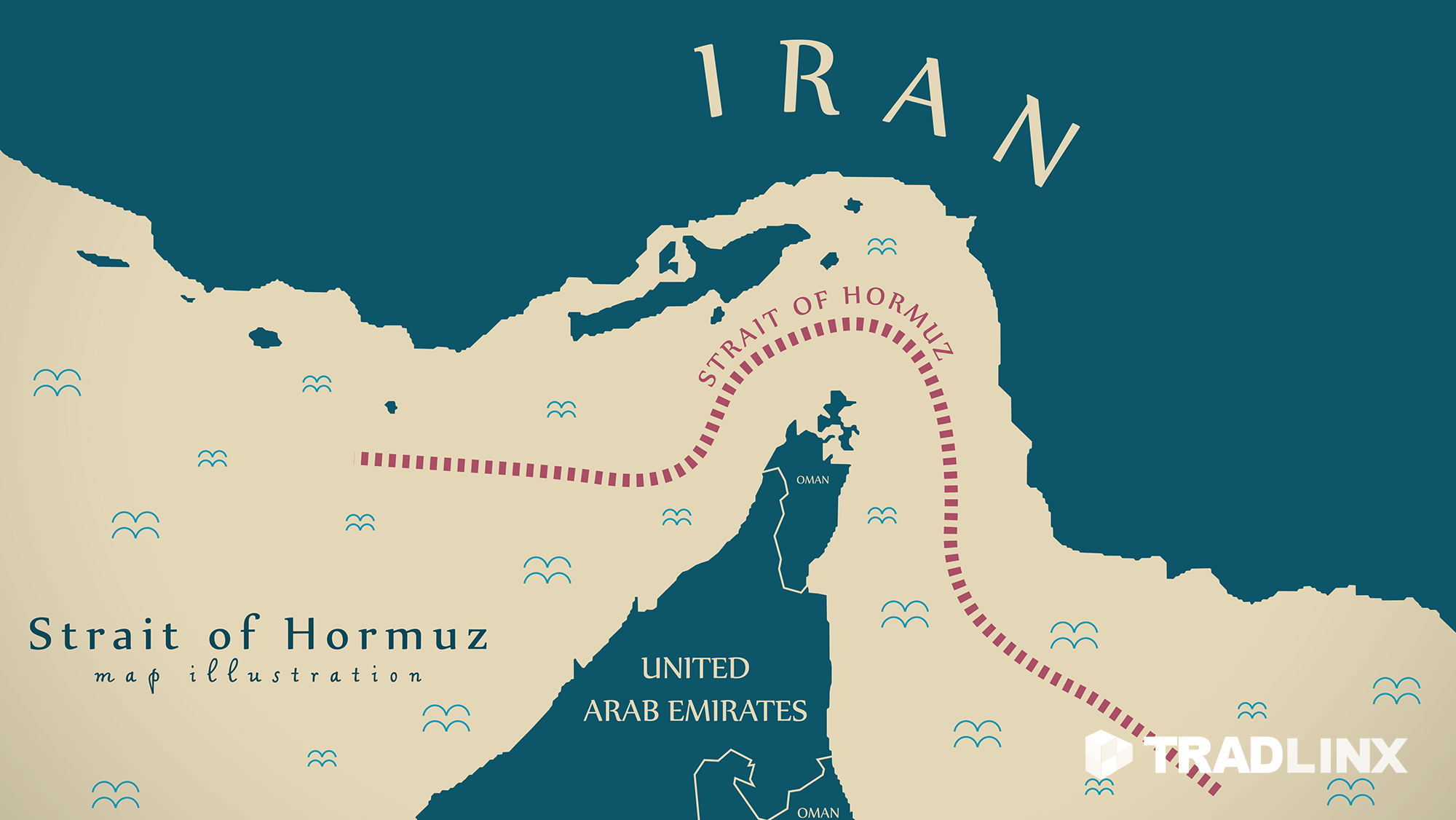
The "lazy consensus" suggests that Iran’s "permission" is a stable foundation for trade. This ignores the most basic reality of the Strait: it is currently a live combat zone. When the Islamic Revolutionary Guard Corps (IRGC) issues a VHF broadcast saying Malaysian ships are "allowed" to pass, they aren't offering safety. They are offering a target profile.
In a theater defined by drone swarms, GPS spoofing, and "unknown projectiles," a ship’s flag is often its least relevant characteristic. We have already seen the MT Skylight struck off Muscat and the MKD Vyom lose a crew member to a missile attack. These ships weren't "enemies" of Iran. They were collateral.
To suggest that a Malaysian tanker is "safe" because Tehran says it is ignores the two most lethal variables in the Strait:
- The US-Israeli "Sea Denial" Posture: If Iran "allows" you to pass, do you honestly believe the US Fifth Fleet—currently engaged in "Operation Epic Fury"—is going to treat your vessel as a neutral party? By accepting a special dispensation from Tehran, Malaysia has effectively signaled that its energy flows are now dependent on Iranian tactical whims. In the eyes of Western naval commanders, that makes Malaysian tankers a logistics lifeline for an adversary.
- The "Who Fired First?" Problem: Modern maritime attacks are frequently deniable. If a Malaysian ship is hit by a "misidentified" drone or a "rogue" mine, the Iranian "permission" becomes a worthless scrap of paper. You cannot negotiate with a stray missile.
The Spreadsheet of Doom
Let’s talk about the one thing politicians always ignore: the insurance underwriters.
The Prime Minister’s "success" in securing passage hasn't moved the needle one millimeter in the London insurance market. Why? Because underwriters don't care about a "thank you" to President Pezeshkian. They care about risk.
Before the February 28 strikes on Iran, war-risk premiums were roughly 0.25% of a ship’s value. By early March, they skyrocketed to 3%. For a VLCC (Very Large Crude Carrier) worth $200 million, that is a $6 million surcharge per voyage.
Imagine a scenario where a Malaysian vessel attempts to "leverage" its special status to transit the Strait. The Lloyd’s of London underwriter sees a vessel entering a zone where 1,900 other ships are currently stranded and where US-Israeli strikes are a daily occurrence. Does that underwriter lower the premium because Anwar made a phone call? Absolutely not. If anything, they raise it. The ship is now a geopolitical pawn, making it a higher-risk asset than a vessel simply waiting in the Gulf of Oman.
The Petronas "Buffer" Fallacy
Anwar claims Malaysia is in a "relatively better position" because Petronas can manage energy stability. This is classic "national champion" cope.
While Malaysia is a net exporter of crude and LNG, it remains a massive importer of refined petroleum products. Our domestic fuel prices are currently being held together by the "BUDI95" subsidy program, which is bleeding the national treasury at a rate of RM4 billion a month.
The global price of Brent crude doesn't care about our "special pass" in Hormuz. If the Strait remains "de facto" closed, global supply drops by 20 million barrels per day. Prices will stay north of $120. Malaysia’s upstream gains from Petronas will be cannibalized by the astronomical cost of subsidizing the RON95 that 30 million Malaysians use to get to work.
The "special status" doesn't lower the global price of oil. It just gives us the privilege of sailing an expensive, uninsurable target through a war zone to fetch it.
The Malacca Dilemma 2.0
The most myopic part of this "diplomatic victory" is how it sets a precedent for the Strait of Malacca.
By validating the idea that a coastal state can "grant" or "deny" passage based on political alignment, Malaysia is signaling that it believes international straits are subject to the arbitrary whims of whoever controls the shoreline. This is a direct attack on the United Nations Convention on the Law of the Sea (UNCLOS) and the principle of transit passage.
If we accept that Iran can block the US and Israel while "allowing" Malaysia, we are inviting the same logic to our own front door. What happens when a future conflict in the South China Sea leads to a regional power "blocking" the Strait of Malacca to everyone except its "friends"?
By thanking Iran for "allowing" us through an international waterway, we have effectively handed over the keys to our own maritime sovereignty. We have moved from being a nation that demands the "free flow of energy" under international law to a nation that begs for a "pass" from a regional hegemon.
The Wrong Question
People are asking: "Can Malaysia get its ships through?"
The better question is: "At what cost to our long-term strategic independence?"
This "hall pass" is a tactical band-aid on a structural hemorrhage. It provides a momentary PR win for a government desperate to show its "influence" in the Muslim world, but it does nothing to protect the actual crew, the cargo, or the national economy from the reality of a closed global chokepoint.
Stop celebrating the permission. Start mourning the death of the rules-based maritime order. If your trade route depends on a phone call to a combatant, you don't have a trade route—you have a hostage situation.
Would you like me to analyze the specific impact of these rising insurance premiums on Malaysia’s 2026 GDP growth projections?