Canberra just dropped a press release disguised as foreign policy.
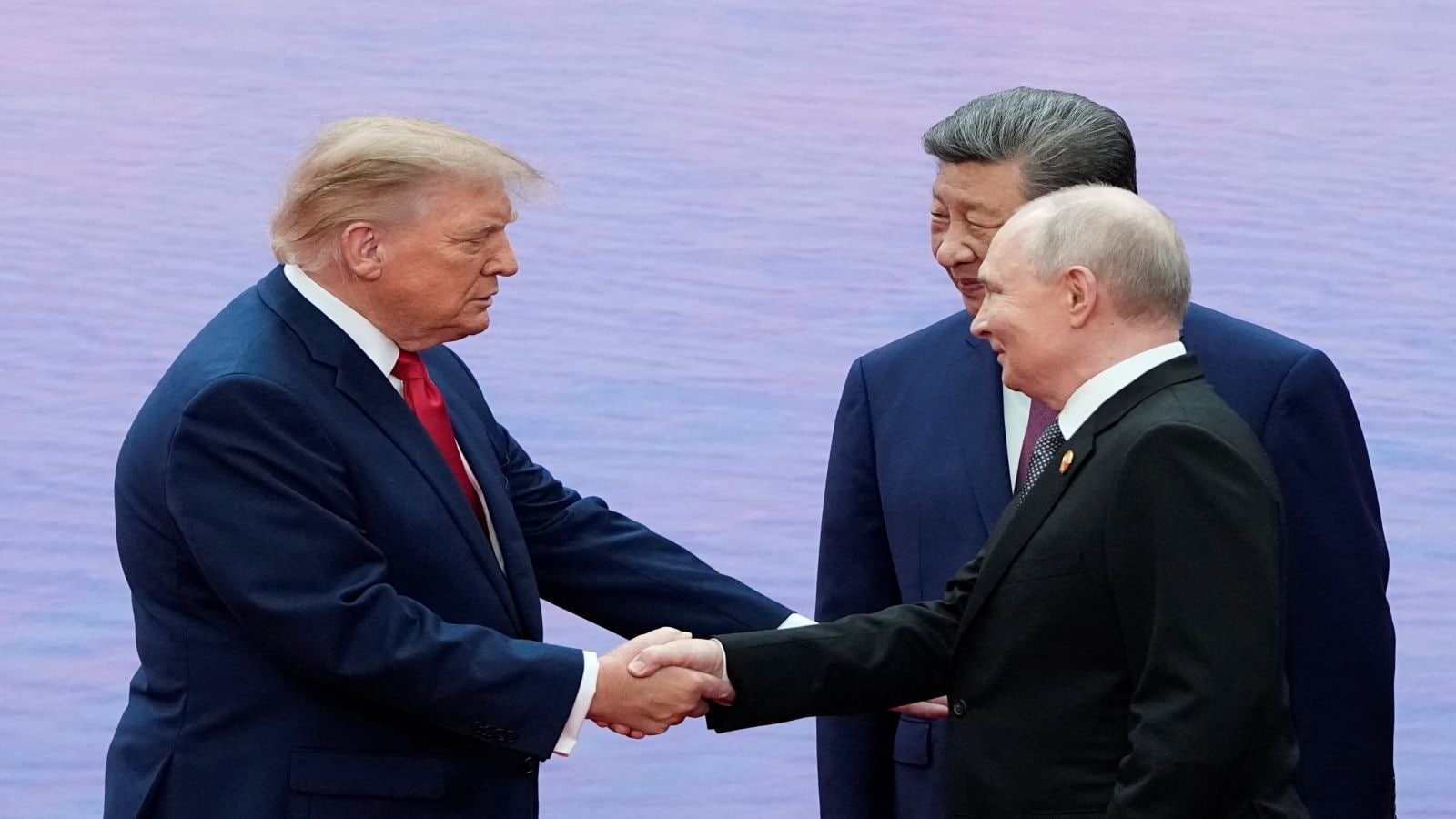
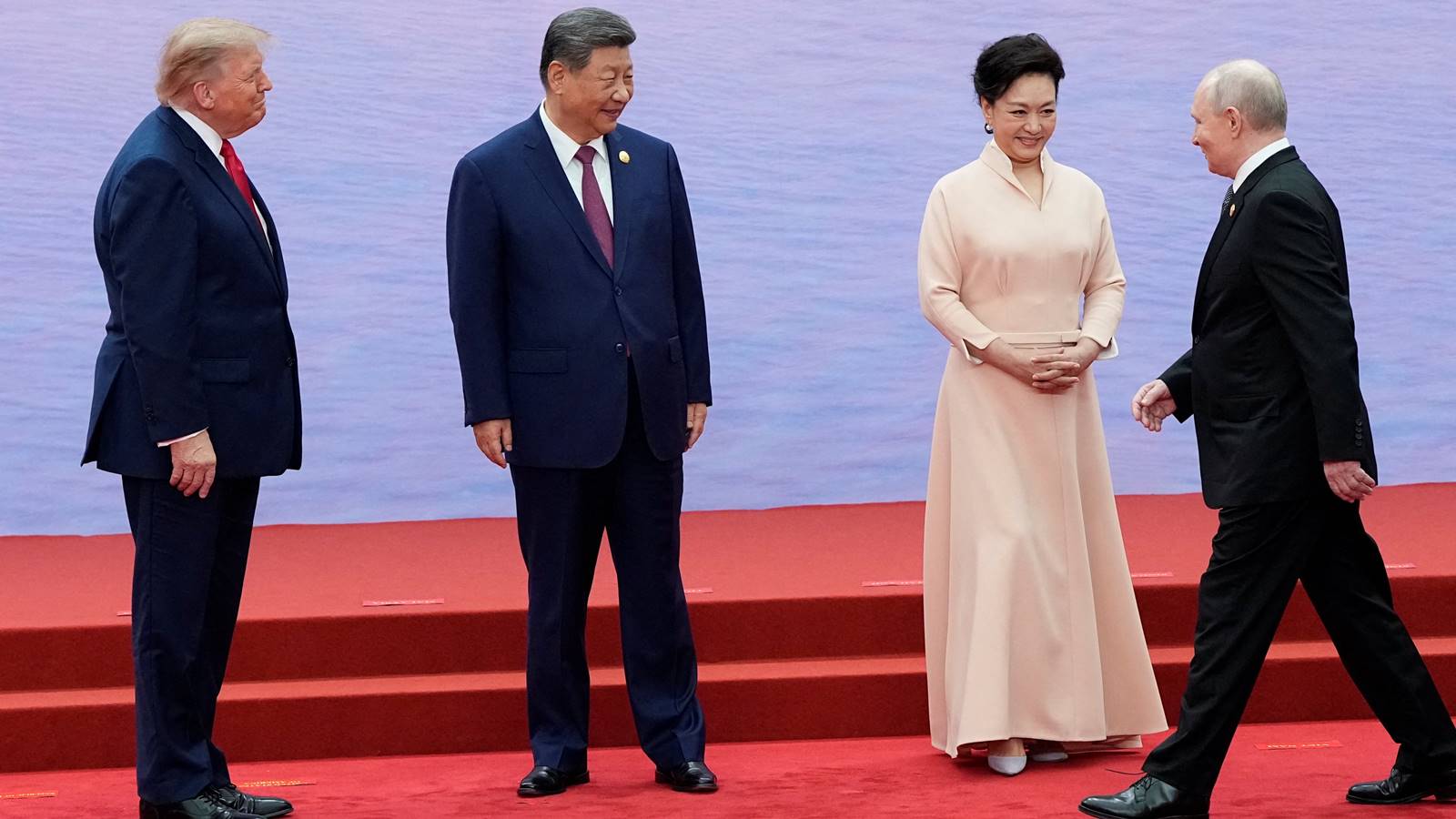
By slapping targeted financial sanctions and travel bans on a handful of extremist Israeli settlers and fringe youth organizations, the Australian government wants you to believe it is taking a bold, decisive stand for peace in the Middle East. The mainstream media coverage eats this up. The standard narrative paints a neat, comforting picture: brave Western democracies are finally drawing a red line against West Bank expansion, holding bad actors accountable, and rescuing the two-state solution from the brink of extinction. You might also find this connected story interesting: What Really Happens When Three Superpowers Share a Table.
That narrative is completely detached from reality.
If you look past the moral posturing and examine the actual mechanics of international sanctions, trade flows, and West Bank governance, a much uglier truth emerges. These sanctions will not stop a single bulldozer. They will not protect a single Palestinian olive grove. And they will not alter the strategic calculus in Jerusalem by a millimeter. Instead, they represent the exact kind of low-cost, high-visibility performative diplomacy that allows Western governments to appease domestic political pressure while avoiding any real geopolitical risk. As discussed in latest coverage by Reuters, the results are widespread.
The Myth of the "Targeted" Sanction
To understand why Australia’s move is fundamentally hollow, you have to understand how targeted sanctions actually work—and how rarely they achieve their stated goals.
When Foreign Minister Penny Wong announces asset freezes and travel bans against specific individuals and groups like the Hilltop Youth, the public imagines wealthy oligarchs suddenly cut off from their global empires. In reality, you are looking at fringe ideologues living in makeshift outposts on West Bank hilltops.
Ask yourself a basic logistical question. How many extremist Israeli settlers hold bank accounts in Sydney? How many of them are booking Qantas flights to Melbourne for vacation?
The answer is virtually zero.
I have spent years analyzing cross-border compliance and sovereign risk, watching governments burn millions in administrative overhead to enforce sanctions packages that look terrifying on paper and do nothing in practice. When you sanction a Russian aluminum magnate or a state-owned Iranian bank, you sever access to Western capital markets, SWIFT messaging, and dollar-clearing mechanisms. That hurts. When you sanction a twenty-two-year-old living in a caravan outside Nablus who operates entirely in shekels and rarely leaves Judea and Samaria, you are swinging a sledgehammer at empty air.
The Architecture of Avoidance
Even when targeted sanctions hit organizations with actual fundraising networks, the enforcement mechanisms routinely fail against decentralized movements.
- Financial isolation requires global exposure: Sanctions only bite when the target relies on the international banking system. Fringe settler groups operate through informal cash networks, local religious charities, and domestic crowdfunding platforms that never touch Australian financial institutions.
- Whack-a-mole incorporation: When a specific entity like Lehava or a youth group gets blacklisted, organizers dissolve the paper entity and reopen under a new name within forty-eight hours. Western compliance departments take months to update their lists.
- The badge of honor effect: Inside radicalized circles, being sanctioned by a Western government does not trigger shame or deterrence. It acts as a recruitment tool. It validates their worldview that the international community is inherently hostile, cementing their status as martyrs among their peers.
The Structural Blind Spot Canberra Ignores
The lazy consensus in mainstream reporting treats West Bank expansion as the rogue work of a few violent extremists. If Western nations just punish those specific individuals, the logic goes, order will be restored and the peace process can resume.
This fundamentally misunderstands how settlement expansion operates.
Blaming West Bank expansion solely on sanctioned extremist groups is like blaming a flood on a few overflowing buckets while ignoring the broken dam. The radical fringe engages in brutal, localized violence—burning crops, vandalizing property, and intimidating villagers. Those acts deserve prosecution. Yet the actual territorial expansion that alters the map of the West Bank is not driven by teenagers in makeshift outposts. It is driven by state-level policy, municipal zoning, infrastructure budgets, and cabinet-level approvals from the Israeli government.
Consider the numbers. Between 2023 and 2024, the Israeli government approved thousands of new housing units across established settlements, retroactively legalized multiple outposts, and transferred vast tracts of West Bank administrative authority from military oversight to civilian ministries led by ideological hardliners like Bezalel Smotrich.
Sanctioning seven individuals and one youth group while maintaining uninterrupted bilateral trade, defense cooperation, and diplomatic normalcy with the state funding the infrastructure is not a strategy. It is a distraction.
Why Governments Choose Performative Diplomacy
If foreign policy experts in Canberra know these sanctions won't stop settlement expansion, why do they issue them?
Because domestic politics demands a visible reaction, and real leverage is too expensive to use.
| Diplomatic Tool | Domestic Political Reward | Actual Impact on West Bank | Geopolitical Cost to Australia |
|---|---|---|---|
| Targeted Settler Sanctions | High (headlines show "action") | Negligible | Near Zero |
| Suspending Defense Trade | Polarizing (alienates allies) | Moderate | High (damages intelligence/tech ties) |
| Tariffs on Settlement Goods | Moderate | High (hits economic incentives) | Moderate-High (triggers trade disputes) |
| Conditioning Diplomatic Ties | Extreme | High | Extreme (ruptures US-aligned consensus) |
Look at that matrix. Targeted sanctions sit in the sweet spot of political cynicism. They generate glowing headlines for a government facing intense pressure from progressive voters and human rights advocates, while costing Australia virtually nothing in trade, intelligence sharing, or diplomatic capital with Washington.
It is the geopolitical equivalent of putting a bandage on a broken leg and calling yourself a surgeon.
Dismantling the Common Misconceptions
When news of these sanctions breaks, public debate immediately gets bogged down in predictable, surface-level arguments. Let's tear down the flawed premises behind the questions people actually ask about this policy.
"Won't this isolate Israel and force a change in policy?"
No. Isolation requires consensus among major economic powers and action against state institutions, not fringe actors. The United States, the United Kingdom, and the European Union have all rolled out nearly identical packages targeting extremist settlers. Rather than isolating Jerusalem, this coordinated wave of micro-sanctions actually created a pressure release valve. It allowed Western leaders to tell their domestic audiences they were "getting tough" on Israel without having to touch a single dollar of military aid, free trade agreements, or intelligence partnerships. Jerusalem absorbed the symbolic slap on the wrist and continued approving housing tenders without missing a beat.
"Are these sanctions at least a good first step?"
Only if you believe walking in circles counts as progress. In international statecraft, symbolic first steps frequently become permanent substitutes for real action. Once a government passes a sanctions package, the issue moves off the urgent legislative agenda. Ministers point to the existing measures whenever critics demand more substantive intervention. Instead of building momentum toward meaningful accountability, symbolic sanctions exhaust political will and create the illusion that the problem is being managed.
"Does Australia actually have any real leverage in the Middle East?"
More than Canberra admits, though far less than activists pretend. Australia is not a superpower, and it will never dictate terms in Jerusalem. However, Australia is a key node in the Five Eyes intelligence alliance, a major defense buyer, and a respected middle power whose trade and regulatory standards carry weight. If Canberra wanted to exert genuine leverage, it wouldn't target broke teenagers on hilltops. It would examine rules of origin for products exported from West Bank industrial zones, audit dual-use defense exports, and scrutinize tax-deductible charitable status for Australian organizations funneling money into illegal outposts.
The Uncomfortable Downside of Real Leverage
To be intellectually honest, we have to admit why Canberra avoids those heavier tools. Exercising real leverage carries severe, immediate consequences that most commentators conveniently ignore.
If Australia were to impose sweeping economic sanctions on Israeli state entities or place blanket tariffs on Israeli goods, it wouldn't just anger Jerusalem. It would trigger an immediate diplomatic collision with Washington, Australia’s primary security guarantor under the AUKUS pact. At a time when Canberra is wholly focused on deterring Chinese expansion in the Indo-Pacific, burning strategic capital with the White House over West Bank zoning laws is a trade-off no Australian Prime Minister is willing to make.
Furthermore, broad economic sanctions rarely produce democratic moderation inside the targeted country. History—from Iran to Venezuela to Russia—shows that sweeping external economic pressure often allows nationalist leaders to rally the public against foreign interference, crushing internal domestic opposition in the process.
Recognizing these constraints doesn't excuse Canberra's current approach. It simply exposes the dishonesty of pretending that micro-sanctions are a serious intervention.
What Actual Accountability Looks Like
If Western middle powers like Australia want to move beyond performative press releases and actually influence behavior on the ground, they need to stop targeting symptoms and start targeting financial pipelines.
Here is what a serious, non-theatrical policy framework requires:
- Follow the institutional money, not the individuals. Fringe groups rely on registered non-profits and charitable trusts abroad to fund equipment, legal defense, and outpost construction. Stripping tax-exempt status from domestic charities that transfer funds to illegal West Bank entities hits the financial lifeline directly without requiring a single travel ban.
- Enforce strict rules of origin. Under international law, goods produced in West Bank settlements are not products of Israel. Requiring clear, mandatory labeling and stripping preferential trade treatment from settlement exports forces businesses to price in the legal reality of occupation.
- Target corporate enablers. Bulldozers, surveillance equipment, and prefabricated housing do not materialize out of thin air. Sanctioning the specific commercial contractors, real estate developers, and private security firms that profit directly from unauthorized outpost construction creates real market deterrence.
- Demand transparent end-use monitoring. Ensure that every piece of defense technology, software, or dual-use component exported from Australian firms includes strict, auditable clauses prohibiting deployment in occupied territories.
Until Canberra is willing to touch the tax code, trade classifications, and corporate supply chains, every announcement of targeted sanctions against fringe settlers should be read for what it truly is: a press release written for voters in Sydney, masquerading as a foreign policy for the Middle East.