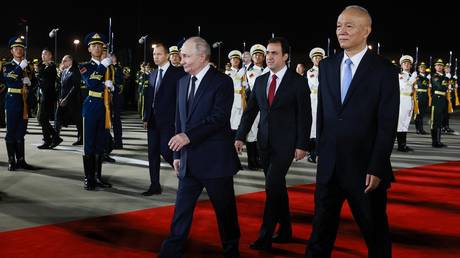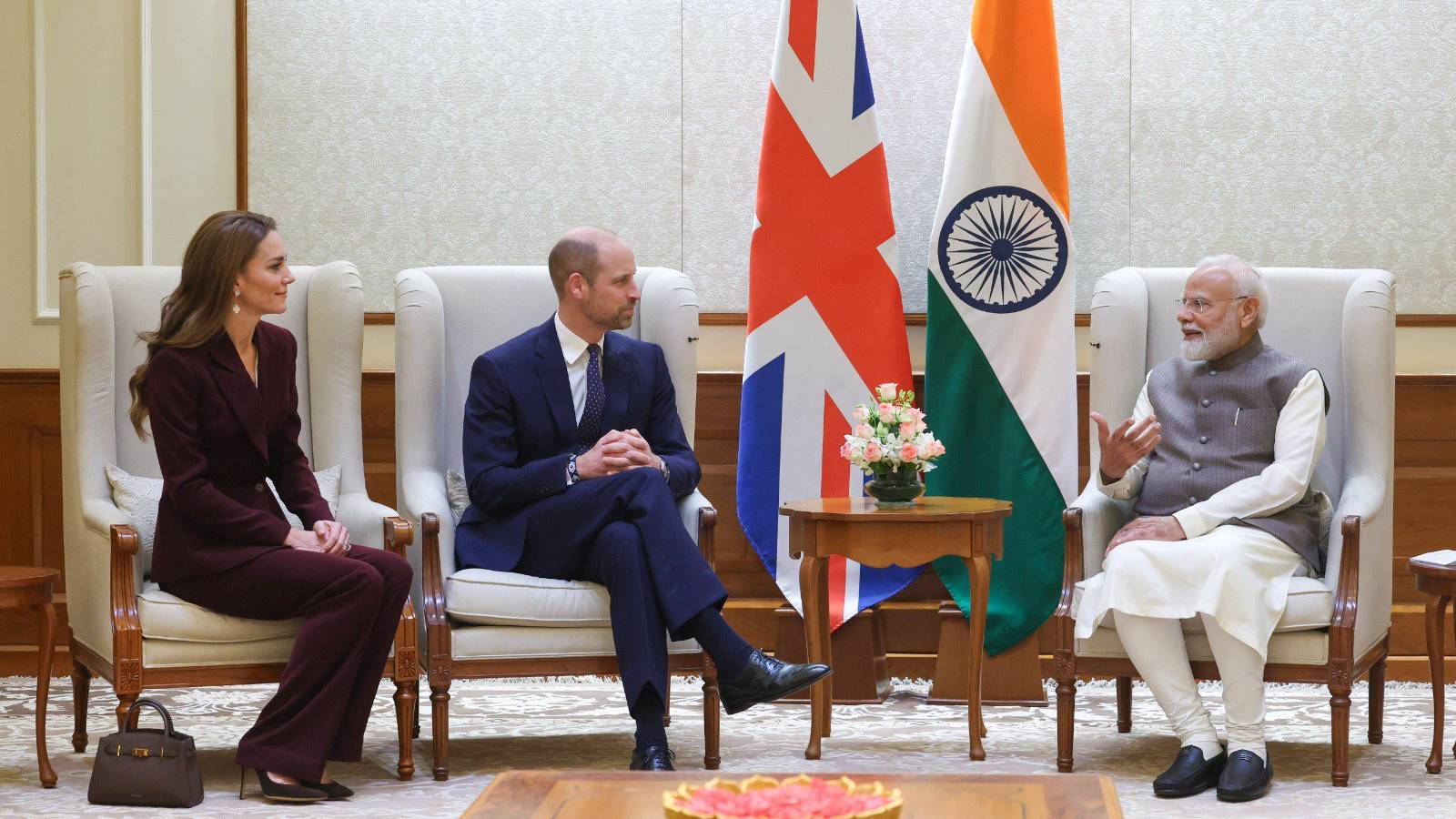
Look at the headlines surrounding Prime Minister Narendra Modi’s meetings with the Prince and Princess of Wales, and you will see the exact same diplomatic sedative served up every single time.
Mainstream coverage treats a royal handshake as a major geopolitical breakthrough. Journalists dutifully transcribe the press releases, noting how warm smiles at Buckingham Palace or Windsor Castle somehow "boost UK-India ties" and pave the way for trade, cultural exchange, and mutual prosperity.
That is a complete misreading of how modern statecraft actually works.
Royal diplomacy is theater. When coverage conflates ceremonial pageantry with hard bilateral leverage, it misses the real friction points governing London and New Delhi today. If you want to understand where the UK-India relationship is actually headed, stop looking at the palace balconies and start looking at trade tariffs, visa quotas, and defense procurement ledgers.
The Myth of Soft Power Magic
The lazy consensus in foreign policy commentary assumes that royal charm acts as an all-purpose lubricant for stalled negotiations. According to traditional diplomatic theory—often traced back to political scientist Joseph Nye’s concept of soft power—cultural affinity and ceremonial prestige can soften rigid positions and build trust between nations.
In practice, soft power does not clear customs bottlenecks.
I have watched corporate delegations and trade envoys spend millions preparing for high-profile diplomatic visits, convinced that ceremonial warmth at the top will trickle down into regulatory relief for their sectors. Six months later, those same executives are still staring at the exact same import duties on Scotch whisky, the exact same data-localization hurdles in Bengaluru, and the exact same visa restrictions for Indian IT engineers in London.
The British monarchy operates strictly within constitutional boundaries. Neither the Prince nor the Princess of Wales holds executive authority over the UK Department for Business and Trade, the Home Office, or the Ministry of Defence. They cannot sign a bilateral investment treaty, alter a tariff schedule, or approve a joint jet-engine manufacturing deal. Their role is symbolic continuity.
Meanwhile, Prime Minister Modi’s foreign policy doctrine is unapologetically transactional. New Delhi evaluates every international partnership through the lens of strategic autonomy and domestic economic return. Handshakes in London play well on evening news broadcasts in both countries, projecting statesmanship and global standing. They do not, however, move a single basis point on a trade agreement.
What Actually Drives UK-India Relations
To understand why high-level optics rarely match reality on the ground, you have to separate ceremonial diplomacy from executive negotiation. The two tracks operate on entirely different timelines and respond to completely different pressures.
| Diplomatic Track | Primary Actors | Core Mechanism | Real-World Output |
|---|---|---|---|
| Ceremonial Optics | Monarchy, Head of Government | Media visibility, cultural symbolism, historic framing | Press releases, viral photographs, temporary public goodwill |
| Executive Statecraft | Trade Ministers, Home Office, Commerce Ministry | Tariff concessions, regulatory alignment, security pacts | Binding legal texts, market access, visa quotas |
When media outlets frame a royal meeting as a catalyst for boosting ties, they confuse correlation with causation. Royal receptions are scheduled around pre-existing diplomatic calendars—they do not generate the underlying policy momentum.
Consider the three pillars that genuinely determine whether London and New Delhi deepen their partnership:
- Market Access and Asymmetric Tariffs: The United Kingdom runs a mature, service-heavy economy looking for export openings in high-growth markets. India protects its domestic manufacturing and agricultural sectors aggressively to build local capacity. A photo opportunity does nothing to resolve London’s demand for steep tariff cuts on British automobiles and spirits versus New Delhi’s demand for freer movement of skilled labor.
- Mobility and Immigration Politics: For India, any comprehensive economic partnership requires predictable, expanded pathways for Indian professionals and students. For the UK government, net migration numbers remain one of the most politically sensitive issues on the domestic agenda. No amount of royal hospitality resolves a domestic political contradiction in Westminster.
- Defense and Indo-Pacific Security: Strategic alignment in the Indian Ocean relies on hard capabilities—joint naval exercises, intelligence sharing, and co-development of defense hardware. These deals are hammered out by defense secretaries and aerospace engineers, not cultural ambassadors.
Addressing the Questions Nobody Asks Correctly
When observers search for updates on UK-India summits, they usually ask variations of the same surface-level questions. Here is what those questions get wrong—and what the reality looks like.
Does a meeting with the Prince and Princess of Wales directly help the UK-India trade deal?
No. Trade negotiations are governed by the rules of the World Trade Organization and domestic parliamentary scrutiny. British trade negotiators answer to the Prime Minister and the Cabinet, not the Crown. While royal engagements create a favorable media backdrop that lowers the temperature of public debate, negotiators in the room remain bound by strict red lines on intellectual property, public procurement, and rules of origin.
Why does Downing Street keep prioritizing royal engagements during Indian state visits?
Because symbolism is cheap and immediate, whereas policy deliverables are slow and politically expensive. When a government cannot yet announce a finalized free trade agreement or a breakthrough on immigration caps, a high-profile royal reception guarantees front-page coverage that looks like diplomatic momentum. It buys political time for both administrations.
Is the Commonwealth still a relevant framework for UK-India cooperation?
For London, the Commonwealth remains a useful diplomatic network. For New Delhi, it is largely a legacy institution. India’s primary multilateral energy goes into frameworks where it shapes the rules directly—such as the Quad alongside the United States, Japan, and Australia, or the G20. Treating the UK-India relationship through a post-colonial or Commonwealth lens misunderstands India’s modern self-image as an independent pole in a multipolar world.
The Blind Spot in the Contrarian View
Dismissing royal diplomacy entirely would be a mistake of its own. Even hard-nosed realists have to admit where soft power actually matters: narrative control and diaspora sentiment.
Over 1.8 million people of Indian heritage live in the United Kingdom, forming one of the country’s most economically influential and politically active demographics. High-visibility moments of mutual respect between the British Crown and India’s elected leadership carry genuine emotional resonance across that community. For British politicians courting diaspora voters, and for Indian leaders projecting global prestige back home, those images hold real political currency.
Furthermore, in long-running diplomatic relationships, public goodwill acts as a buffer when technical talks hit a wall. It signals to business leaders and institutional investors that the overarching bilateral relationship remains stable, even when specific regulatory disputes drag on for years.
How to Read Diplomatic News Without Getting Played
If you are an investor, a policy analyst, or an executive trying to gauge actual commercial opportunities between the UK and India, stop reacting to summit headlines. Apply a strict filter to every diplomatic announcement:
- Ignore adjectives, track nouns: Strip out words like historic, warm, boost, and landmark. Look strictly for signed Memoranda of Understanding with dedicated budget allocations, ratified treaty text, or specific regulatory exemptions.
- Watch the junior ministers, not the principals: Prime Ministers and royals deliver speeches; Ministers of State for Trade, Home Secretaries, and Commerce Secretaries sign the operational orders that actually change business conditions.
- Follow the supply chains: Real bilateral alignment shows up in capital expenditure—British defense firms setting up engineering hubs in Pune, or Indian conglomerates expanding tech operations in London—long before it appears in a palace press release.
Until a handshake at Windsor Castle comes attached to a ratified tariff schedule in Westminster and New Delhi, treat it for what it is: great photography, zero policy.