We love our neat little narratives about human nature. Give us a drought, and we immediately picture starving tribes turning on each other with crude clubs. It is a cinematic, comforting formula. Suffering equals violence. The logic feels ironclad because it aligns with our worst anxieties about resource scarcity.
Recent bioarchaeological work in Peru shatters that tidy fiction. Researchers examining skeletal remains from periods of severe climatic stress found something inconvenient. People did not automatically start slaughtering their neighbors when the rains failed. In fact, entire communities navigated centuries of ecological collapse with remarkably low rates of interpersonal trauma.
Understanding what actually happened in the ancient Andes requires setting aside modern assumptions about climate refugees and resource wars. The physical evidence left in bone tells a far more complicated story of adaptation, resilience, and very specific, ritualized forms of violence that had nothing to do with everyday survival.
The Archaeological Record Beneath the Sand
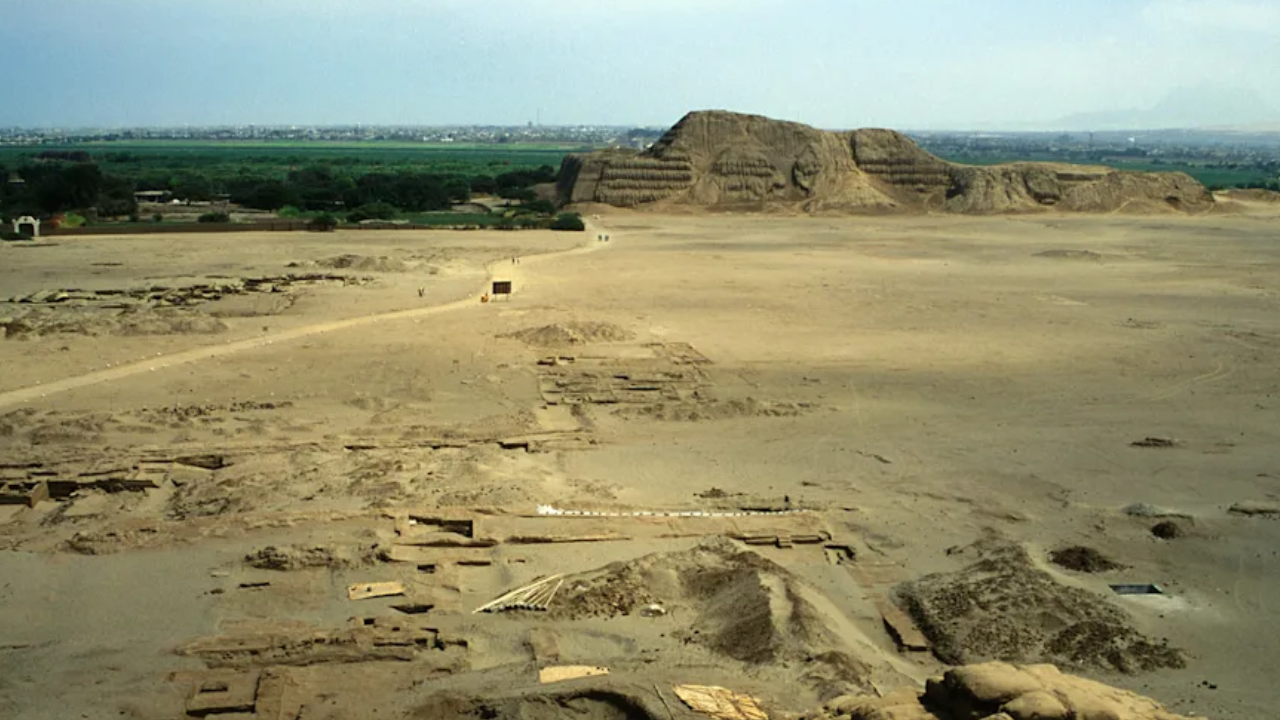
When archaeologists unearth ancient burial sites along the Peruvian coast and highlands, they are not just looking at skeletons. They are looking at forensic ledgers. Every healed fracture, every blunt-force cranial impact, and every sharp-force trauma mark tells a story of interpersonal violence.
For decades, academic consensus leaned heavily toward environmental determinism. When lake sediment cores showed prolonged dry spells or El Nino disruptions, researchers assumed the human timeline would match with spikes in trauma-related injuries.
The data refuses to cooperate with that lazy model.
Excavations across multiple pre-Inca sites reveal that periods of intense environmental pressure often coincided with minimal evidence of interpersonal conflict. Instead of descending into chaos, populations reorganized. They shifted agricultural strategies, expanded trade networks, and altered dietary intake. Violence was not an inevitable byproduct of a drying landscape.
Separating Survival from Sacred Slaughter
This brings us to the second pillar of the recent research: the strict separation between daily interpersonal conflict and institutionalized ritual violence.
In many ancient Andean societies, violence was not a breakdown of social order. It was the order itself. Archaeologists examining skeletal trauma must differentiate between a messy brawl over irrigation water and a calculated, ceremonial sacrifice.
The markers on the bone tell the tale. Interpersonal conflict typically leaves defensive wounds on the arms and hands, along with unorganized trauma angles. Ritual sacrifice or sanctioned combat displays distinct patterns. Clean cuts, peri-mortem impacts to specific cranial locations, and demographic selectivity—often young adults or specific social classes—point directly to institutional frameworks rather than raw desperation.
Climate stress did not cause the average farmer to smash his neighbor's skull. When ritual violence did occur, it was mediated by religious systems, political authority, and cultural rules designed to appease deities or manage social anxiety during environmental shifts. Blaming the weather for human brutality misses the sophisticated social machinery that governed these ancient worlds.
Rethinking Modern Environmental Narratives
We project our own fears onto the ancient past. Today, as headlines warn of climate migration and resource wars driven by global warming, we look backward for validation. We want history to prove that a hotter planet automatically unleashes our inner savages.
The Peruvian bioarchaeological record offers a sharp corrective. Humans are remarkably adaptable. We cooperate when resources shrink, building complex irrigation systems, sharing food stores, and inventing social contracts to manage scarcity.
When societies fail under environmental stress, it is rarely because human nature is inherently violent. It is because political institutions fail to manage distribution, or because ruling elites weaponize ideology to maintain power.
The bones from Peru do not whisper warnings about the inevitability of climate-induced war. They testify to human grit, structural ingenuity, and the capacity to endure catastrophic environmental shifts without losing the fundamental impulse to live together.