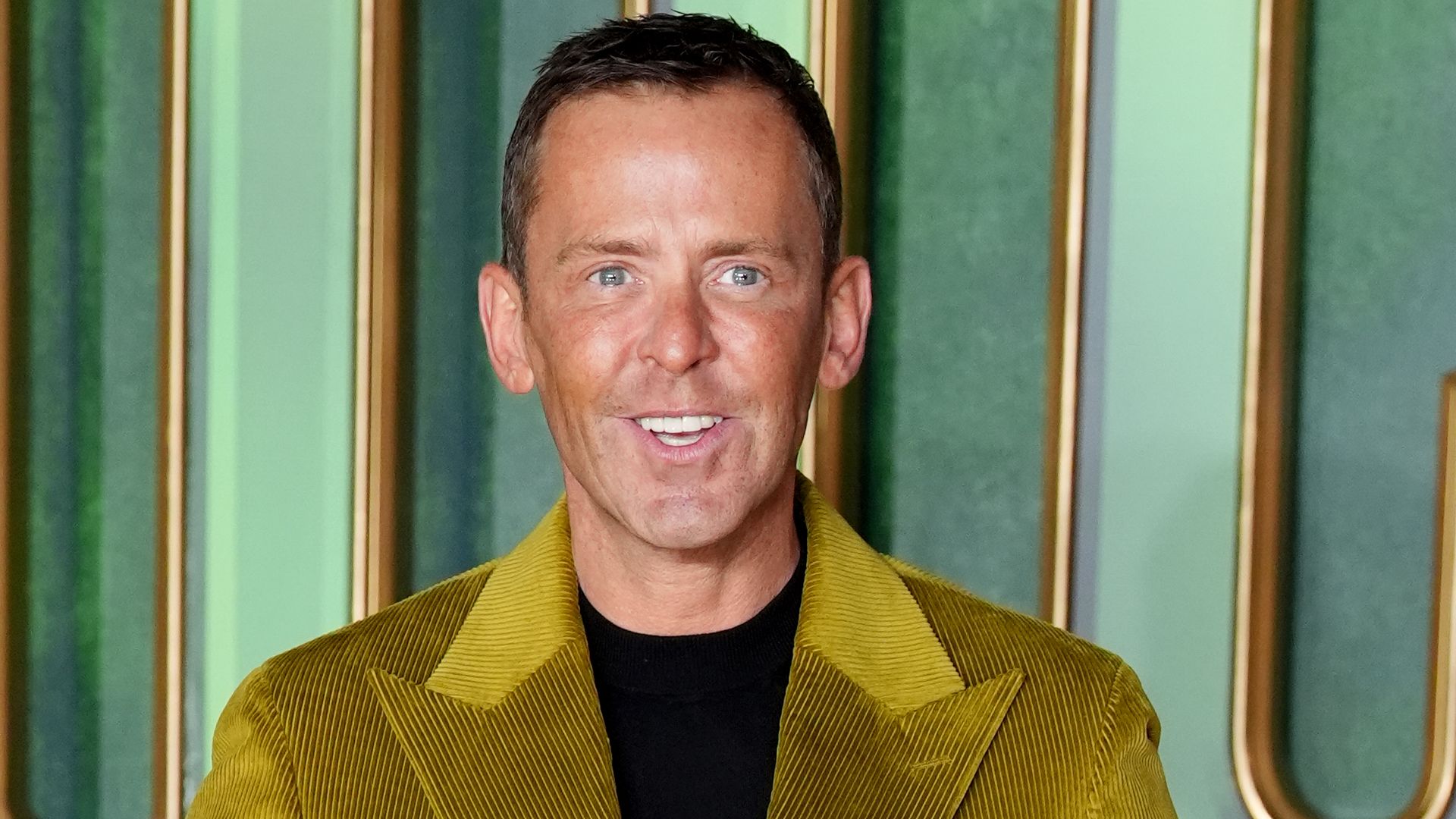
The rumors circulating about Scott Mills being sacked from BBC Radio 2 are not just premature; they miss the systemic shift happening within W1A. While the tabloid press thrives on the high-drama narrative of a "sacking," the truth is found in the cold, hard data of listener demographics and the aggressive cost-cutting measures currently strangling the corporation’s talent budget. Scott Mills remains a fixture for now, but the tectonic plates of public service broadcasting are shifting so violently that no legacy presenter is truly safe.
To understand the precarious position of any Tier-1 DJ in the current climate, you have to look past the microphone. The BBC is currently obsessed with "Project Age Down." This is an internal push to lower the median age of the Radio 2 listener, which has stubbornly hovered in the mid-fifties for over a decade. When veterans like Ken Bruce or Steve Wright depart—whether by choice or through a tactical "non-renewal" of contracts—it isn't a fluke. It is a calculated, if risky, attempt to prevent the station from becoming a museum of 20th-century hits.
The Myth of the Unsinkable Presenter
There is a common misconception that high ratings guarantee job security at the BBC. They don't. In the commercial sector, a personality like Mills would be protected by the sheer weight of advertising revenue his slot generates. At the BBC, high ratings can actually be a double-edged sword. If those millions of listeners are all over the age of 65, the Charter-mandated goal of "serving all audiences" starts to look like a failure in the eyes of the regulator, Ofcom.
Mills was brought over from Radio 1 specifically to bridge the gap between the youth-focused pop of his former home and the "adult contemporary" feel of Radio 2. He was the designated successor to the afternoon throne. However, the transition has been fraught with tension. The "old guard" of the Radio 2 audience reacted to his arrival with a vitriol that would shock those outside the industry. Message boards and social media feeds were flooded with complaints about the "Radio 1-ification" of their favorite station.
This creates a paradox for management. If they keep the heritage presenters, they lose the next generation. If they bring in the "youthful" veterans like Mills, they alienate the loyal base that provides their primary justification for the license fee. It is a no-win scenario that leads to the kind of "sacking" rumors we see today.
Behind the Contract Negotiations
The phrase "sacked" is rarely used in the halls of New Broadcasting House. Instead, we see the "managed exit."
When a contract comes up for renewal, the BBC often offers terms that are intentionally unpalatable. They might slash the number of guaranteed shows, demand a 30% pay cut, or insist on a shift to a digital-only platform like BBC Sounds. For a veteran broadcaster with a brand to protect, these terms are a polite way of being shown the door.
- The Salary Cap: Since the public disclosure of high earners, the BBC has been under immense pressure to bring the "talent bill" down.
- The Multi-Platform Mandate: Presenters are no longer just expected to talk into a mic; they must produce viral social clips and high-performing podcasts.
- The Commercial Threat: Global and Bauer Media are constantly circling, ready to offer the "freedom" (and the cash) that the BBC can no longer provide.
If Mills were to leave, it wouldn't be because he failed at his job. It would be because his market value as a legacy star no longer aligns with the BBC’s desperate need for fiscal austerity and a younger, cheaper demographic. We are seeing a purge of the mid-career broadcaster—those too young to be "national treasures" and too old to be "digital natives."
The Ghost of Ken Bruce
The specter of Ken Bruce’s departure to Greatest Hits Radio hangs over every decision made at Radio 2. Bruce didn't just leave; he took a massive chunk of the audience with him. This spooked the executives. They realized that the "Radio 2 Brand" is actually just a collection of individual loyalties to specific voices.
When Mills took over the afternoon slot, he wasn't just replacing a person; he was attempting to transplant a different culture into a very specific, very territorial ecosystem. The friction was inevitable. The current whispers of his departure are a direct result of that cultural mismatch. Industry insiders know that the station is currently conducting "deep dive" research into listener retention. If those numbers show a significant drop-off among the core 45-54 demographic, the pressure on Mills will become unsustainable.
The Problem With BBC Sounds
A major factor in the stability of a DJ's career is now their "Sounds performance." The BBC is pivoting away from linear radio at a breakneck pace. They want listeners on the app, where they can track data, serve targeted content, and compete with Spotify.
- Retention Rates: How long does a listener stay with a Mills clip versus a live broadcast?
- Acquisition: Does a presenter bring in new users to the app, or just migrate existing ones?
- Exclusivity: Is the content available elsewhere, or is it a unique BBC asset?
The harsh reality is that if a presenter's show doesn't "index" well on the app, their value to the corporation plummets, regardless of how many millions of people are listening on a traditional FM transistor radio in their kitchens.
The Looming Shadow of Global and Bauer
While the BBC fumbles its talent management, the commercial sector is waiting with an open checkbook. Companies like Global (Heart, Capital, LBC) and Bauer (Greatest Hits, Magic) have a much simpler metric for success: Can this person sell airtime?
For a broadcaster like Mills, the prospect of a commercial move is becoming increasingly attractive. In the commercial world, you don't have to apologize for your salary. You don't have to participate in "mandatory impartiality" training that limits your outside interests. You just show up and entertain.
The "sacking" narrative is often a smokescreen for these behind-the-scenes bidding wars. If a presenter knows they have a multi-million pound offer from a commercial rival, they become much harder to manage. They push back on music choices. They refuse to do the "extra" digital work without more pay. Eventually, the relationship sours, and the "parting of ways" is framed as a dismissal by the press.
Why the Audience is Winning
Despite the chaos, the listener has never had more power. In the 1990s, if you didn't like what was on Radio 1, you had very few options. Today, the audience can "vote with their ears" instantly. The moment a presenter like Mills starts to grate, the audience migrates to a podcast or a curated playlist.
This instant feedback loop has made BBC management twitchy. They are over-correcting. They see a minor dip in the quarterly RAJAR (Radio Joint Audience Research) figures and panic. This panic leads to "programming refreshes," which is code for firing people and hiring someone cheaper or "edgier."
The Inevitability of the Refresh
The era of the thirty-year radio career is dead. The BBC can no longer afford to keep the same voices on air for decades. The license fee is frozen, inflation is rampant, and the cost of producing "prestige" television is eating the radio budget alive.
Every presenter currently on the Radio 2 roster is essentially on a rolling audition. The "sacking" of Scott Mills—if it ever actually happens—will be framed as a "strategic realignment to meet the changing needs of the UK audience." It is a cold, corporate way of saying that the old model of personality radio is too expensive to maintain.
The focus should not be on whether one specific DJ is staying or going. The focus should be on what happens when the BBC finally succeeds in its "Age Down" mission. If they drive away the 55-year-old listeners to chase the 30-year-olds, and the 30-year-olds are already busy listening to podcasts, the BBC will be left with a station that serves nobody.
Broadcasters are being sacrificed at the altar of a demographic shift that may never actually happen. Mills is simply the latest high-profile figure caught in the crossfire of a corporation that is terrified of its own aging shadow.
Check the current RAJAR data against the BBC's internal "Annual Plan" targets to see exactly where the next "parting of ways" will occur.