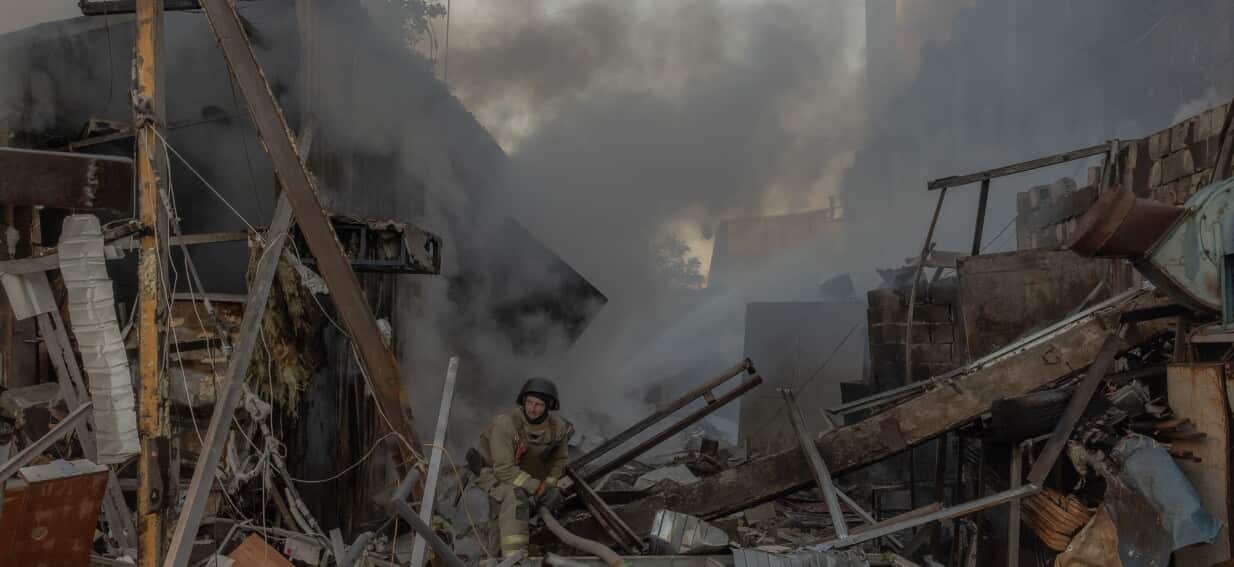
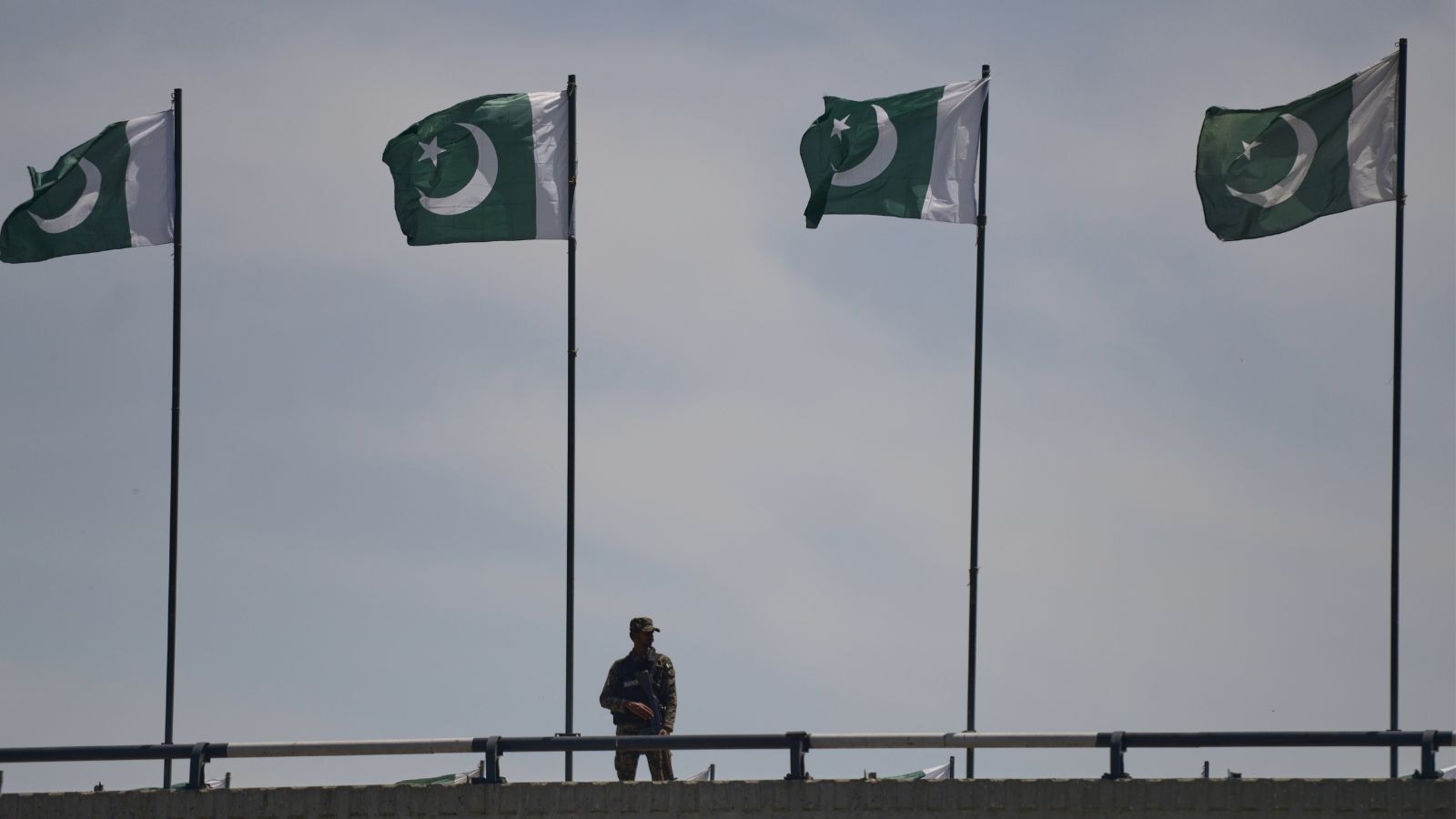
Moscow is intensifying its military strikes because its conventional frontline operations are stalling. When a state cannot achieve its geopolitical objectives through efficient military maneuvers, it systematically shifts toward high-threshold violence against infrastructure and civilian centers to force a political settlement. This asymmetrical escalation is not a sign of absolute strength, but rather a calculated compensation for deep-seated logistical, command, and manpower deficiencies. By hitting harder where it hurts civilian populations, the Kremlin aims to fracture the political will of both its immediate adversary and the Western coalition supporting them.
The Mechanics of Compensatory Escalation
To understand why a military power increases its kinetic output while losing operational momentum, one must look at the structural decay of its forces. Frontline attrition rates create a deficit that cannot be easily filled by rapid mobilization. When infantry advances slow to a crawl, the strategic fallback is the heavy use of long-range fires.
This approach serves two distinct functions. First, it projects an illusion of unchecked capability to an internal domestic audience that demands decisive action. Second, it attempts to shift the theater of war from the battlefield—where tactical gains are costly and slow—to the economic and psychological spheres.
The current strategy relies heavily on complex strike packages using a mix of ballistic missiles, cruise missiles, and low-cost loitering munitions. The intent is simple. Overwhelm localized air defense systems by forcing them to expend expensive interceptors on cheap targets, then follow up with high-payload precision strikes on critical nodes.
Infrastructure Degradation as a Political Weapon
The targeting of energy grids, transport hubs, and thermal power plants is a deliberate attempt to make the cost of continued resistance unbearable. It is a doctrine deeply rooted in historical conflicts where the attrition of an adversary's industrial capacity was viewed as the shortest path to victory.
However, historical precedent shows this tactic frequently yields diminishing returns. Instead of breaking civilian morale, sustained aerial bombardment often hardens public resolve and solidifies political alignment against the aggressor. The critical variable is the speed and volume of western air defense replenishment. If the supply of interceptors lags behind the production rate of the strike munitions, the defensive network begins to show gaps.
- The Munitions Disparity: Moscow has transitioned its domestic economy toward a wartime footing, operating factories on three-shift rotations. This allows for a steady baseline production of cruise missiles despite international sanctions.
- The Component Gray Market: Despite strict export controls, microelectronics and dual-use components continue to flow through third-party transshipment points, keeping precision weapon assembly lines functioning.
- The Air Defense Asymmetry: A multi-million dollar air defense missile used to down a fifty-thousand dollar drone creates an unsustainable economic equation for the defending forces over a protracted timeline.
The Limits of Conventional Mobilization
Behind the aggressive rhetoric lies a stark reality regarding manpower. Moscow has consistently avoided a full-scale, overt mobilization due to the inherent domestic political risks. Instead, the state relies on a fragmented patchwork of high-paying volunteer contracts, regional bonuses, and the recruitment of foreign nationals.
This methods keeps bodies in the trenches but fails to produce cohesive, highly trained offensive units. It creates a force capable of holding defensive lines and executing localized, high-casualty frontal assaults, but incapable of executing deep, sweeping operational breakthroughs that could decisively end the conflict.
The reliance on these attritional tactics means the frontline remains largely static, characterized by brutal trench warfare reminiscent of early twentieth-century conflicts. To offset the lack of tactical progress, the high command utilizes its long-range arsenal to maintain the initiative, ensuring the conflict remains active and damaging enough to deter long-term foreign investment and stabilization efforts in the contested regions.
Western Supply Chains and the Shell Crisis
The conflict has laid bare the vulnerabilities within Western defense manufacturing. For decades, peace-time procurement models favored low-volume, technologically advanced systems over the mass production of conventional artillery ammunition and basic air defense platforms.
The sudden demand for millions of artillery shells shattered these assumptions. While production lines in Europe and North America are expanding, the lead times required to build new factories and secure raw materials like specialized explosives and propellants mean the supply curve cannot immediately meet the operational burn rate. This logistical bottleneck creates windows of vulnerability that the Kremlin actively exploits with its intensified strike campaigns.
The Diplomatic Calculation of High-Intensity Strikes
Every missile barrage carries a diplomatic message intended for Washington, Brussels, and other allied capitals. The goal is to induce fatigue. By maintaining a high baseline of destruction, the Kremlin seeks to convince Western policymakers that supporting the defense is an endless, expensive endeavor with no clear path to total victory.
This strategy targets the political cycles of democratic nations. Elections bring shifting priorities, and a sustained, high-casualty conflict can become a liability for incumbent administrations. The calculation is that eventually, a political consensus will emerge in the West favoring a forced negotiation, one that freezes the conflict along existing lines of control and cements territorial gains.
The Shell Game of Sanctions Evasion
The assertion that international sanctions would cripple the capability to manufacture advanced weaponry has proven only partially correct. While broad economic measures have restricted access to global financial networks and direct supply lines, they have also triggered the development of highly sophisticated evasion networks.
Raw materials and machine tools are routinely rerouted through a network of shell companies operating in jurisdictions that have chosen to remain neutral or aligned with Moscow. These supply chains are fluid, shifting names and locations faster than international regulatory bodies can track and sanction them. Consequently, the production of tactical ballistic missiles and long-range drones has not stopped; it has merely become more expensive and logistically complex.
Operational Realities Versus Strategic Rhetoric
The disconnect between official pronouncements and the reality on the ground is widening. State television broadcasts footage of massive industrial output and unstoppable new weapons systems, yet the tactical reality consists of small-unit actions and a heavy reliance on outdated armored vehicles pulled from Soviet-era storage depots.
These refurbished vehicles, while lacking modern armor and fire-control systems, still possess functional cannons and tracks. In a war of attrition, mass often possesses a quality all its own. When deployed in sufficient numbers alongside heavy artillery support, these older systems allow the military to maintain constant pressure on defensive positions, preventing the adversary from rotating tired troops or building up reserves for significant counter-offensives.
The intensification of strikes is a structural response to strategic stagnation. It is the action of a military power that has realized its conventional ground forces cannot achieve a decisive breakthrough under current conditions, and therefore uses its remaining long-range capabilities to inflict maximum pain in the hope of fracturing the enemy's political foundations before its own economic and social fault lines begin to give way.