For over a century, Charles Darwin’s hunch about an unassuming mountain flower sat unproven in botanical history books. Back in 1875, the famous naturalist spotted tiny, sticky hairs on species within the Saxifraga genus and wondered if they ate insects. He couldn't quite prove it. Now, researchers publishing in Nature Communications have shown he was spot on.
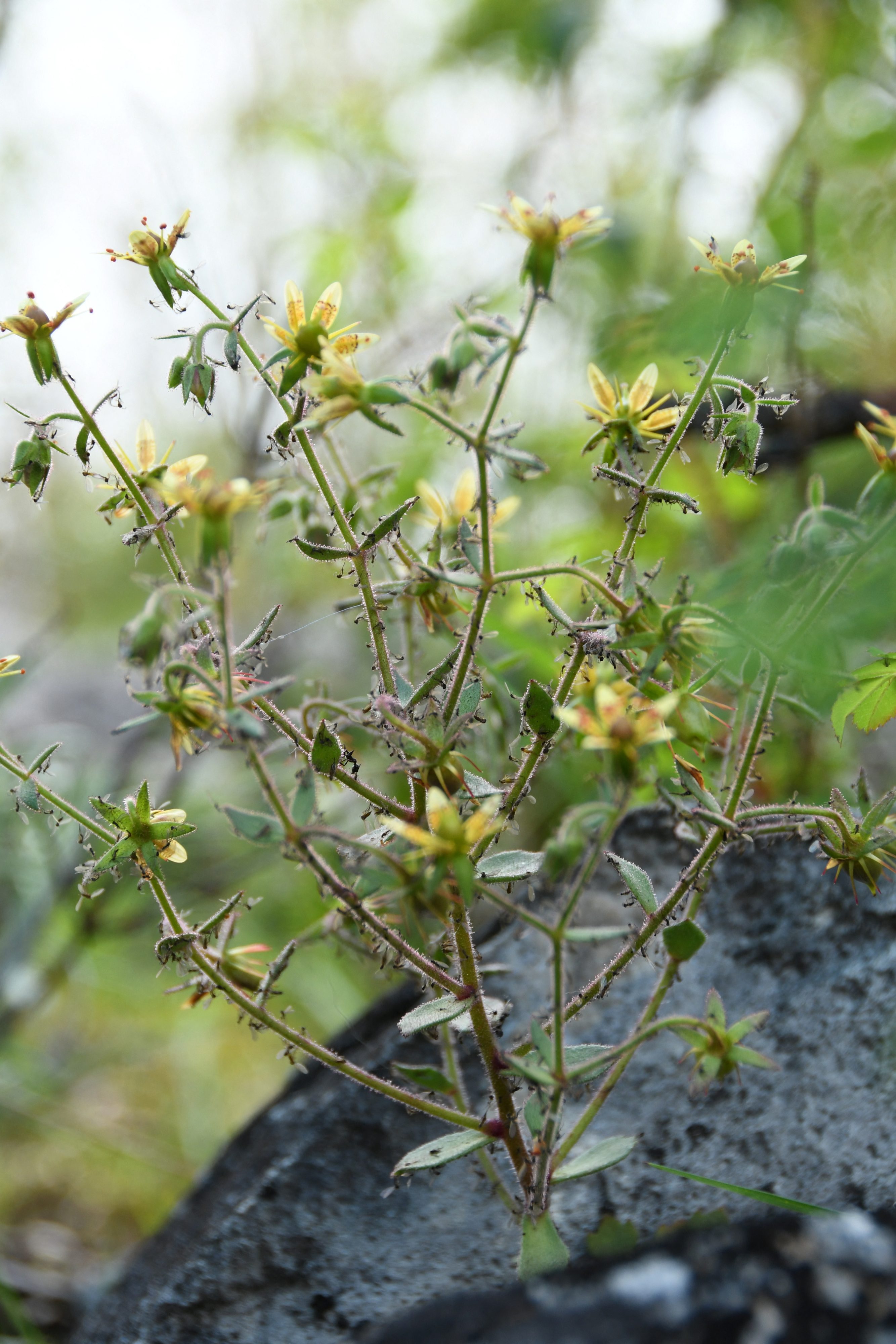
Meet Saxifraga candelabrum, a delicate yellow wildflower thriving on the rocky cliffs of southwestern China's high-altitude regions. It doesn't just look pretty. It traps, digests, and absorbs nutrients from unfortunate small insects. This discovery officially adds a brand-new type of meat-eating plant to global records, rewriting what we know about alpine survival.
Breaking Down How Saxifraga Candelabrum Hunts
Most people picture venus flytraps snapping shut in boggy, waterlogged swamps when they think of carnivorous plants. Saxifraga candelabrum plays an entirely different game. Growing between 8,200 and 10,800 feet above sea level on the Qinghai-Tibet Plateau and Hengduan Mountains, it faces harsh, nutrient-poor rock faces.
Instead of moving jaws or slippery pitcher tubes, this alpine hunter relies on glandular trichomes. These microscopic hairs ooze a sticky fluid that catches tiny gnats and flies.
The plant uses specific scents to lure its prey. Interestingly, it spares larger flies that act as its pollinators, ensuring the species keeps reproducing while grabbing a snack on the side. Once an unwanted gnat gets stuck, the plant releases an enzyme called phosphatase to dissolve the body.
Scientists proved this digestion process actually happens using isotope labeling. By tracking nitrogen-15 isotopes, they watched nutrients travel directly from the digested insects into the plant tissue. Genetic sequencing backed it up, uncovering shared genes linked to prey attraction and digestion found in other carnivorous species.
Why This Alpine Predator Matters Now
Finding a carnivorous plant living on dry, rocky mountain cliffs completely upends standard botanical assumptions. Douglas Soltis, a co-author of the study who has spent decades studying this plant family, notes that most flesh-eating plants need wet, boggy earth. High-altitude rock faces are a totally new frontier.
Soil at those heights lacks proper nitrates. While Saxifraga candelabrum still photosynthesizes to make its own baseline energy, grabbing bugs gives it the vital nitrogen boost required to survive a brutal climate.
Unlike many rare species currently buckling under changing weather patterns, senior study author Hang Sun points out that this wildflower population remains stable. Its remote habitat keeps it safe for now.
Keep an eye out during future alpine hikes. Botanists suspect other members of the sprawling Saxifraga family hiding across global mountain ranges might share these exact carnivorous traits, meaning Darwin's 150-year-old observations are only the tip of the iceberg.