The iron rings out when a heel strikes it. If you walk these streets long enough, the sound becomes a subconscious rhythm, a metallic metronome ticking beneath the hum of yellow cabs and rushing crowds. New York City sits on top of an abyss. We forget this. We have to forget it just to navigate the daily crush of the sidewalk without losing our minds. We look at store windows, at our phones, at the oncoming traffic. We assume the ground beneath our feet is solid.
It isn't. Meanwhile, you can read similar stories here: Why Marco Rubio India Visit Matters Way More Than the Headlines Say.
Beneath the gray slabs of concrete lies a vast, echoing labyrinth of steam pipes, high-voltage lines, subway tracks, and sewage tunnels. The only barriers separating the average commuter from a thirty-foot drop into darkness are thousands of circular iron discs. They weigh between 250 and 300 pounds each. They are built to withstand the crushing weight of delivery trucks and transit buses. They are supposed to be immovable.
Until someone forgets to put one back. To understand the complete picture, we recommend the recent analysis by The Guardian.
The morning air carried that specific autumn crispness that makes New York feel entirely alive. Steam curled from the asphalt, a familiar phantom of the city's underground vascular system. People were moving fast, driven by the urgency of a Tuesday morning. Among them was a woman navigating her usual route, a path she had likely walked hundreds of times before.
She wasn't looking down. Why would she?
Step. Step. Then, nothingness.
A gap in the world had opened up where solid iron should have been. In a fraction of a second, the routine of a mundane commute evaporated. The drop was immediate, violent, and deep. The surrounding crowd didn't realize what had happened until the sound echoed upward—a sickening thud against the subterranean concrete floor, followed by an eerie, sudden silence that cut through the traffic noise.
Utility workers had been servicing the lines below earlier that morning. A heavy barrier had been moved aside to facilitate quick access. A momentary distraction, a lapse in communication, or perhaps just a rushed schedule left the hole exposed to the open air. No bright orange cones. No yellow caution tape. Just a black circle on a gray sidewalk, hiding in plain sight under the shadows of the skyscrapers.
By the time emergency responders lowered themselves into the vault with flashlights and stretchers, it was too late. The impact had taken her life before the first siren could even wail in the distance.
We talk about infrastructure in terms of numbers. We read reports about aging municipal grids, bond allocations, and municipal budget deficits. It sounds dry. It feels distant.
But infrastructure isn't abstract. It is the physical manifestation of a social contract. When you pay your taxes and walk out your front door, you are participating in a silent agreement with the city: you agree to follow the rules of the grid, and the grid agrees to hold your weight.
When that contract breaks, it breaks spectacularly.
Consider the sheer scale of what happens beneath the pavement. The city relies on a network of infrastructure that, in some neighborhoods, dates back to the late nineteenth century. Water mains made of cast iron installed during the administration of Chester A. Arthur still carry drinking water to millions. Steam pipes under pressures exceeding several hundred pounds per square inch snake directly beneath major tourist hubs.
To maintain this subterranean beast, thousands of access points must be opened every single day. Con Edison, the Department of Environmental Protection, private telecommunication firms, and subway maintenance crews all possess keys to the underworld. They lift the iron plates, descend into the heat and darkness, fix what is broken, and climb back out.
It is a dance of logistics performed thousands of times a week without incident. The system works because of meticulous adherence to protocol. A worker lifts a cover; a guardrail goes up. A worker steps away; the cover goes back on. The rules are written in the blood of past accidents.
Yet, familiarity breeds a dangerous kind of comfort. When an engineer or a technician opens a manhole for the ten-thousandth time, the inherent danger of that open portal can begin to blur. The gaping hole stops looking like a lethal precipice and starts looking like just another day at the office.
That is where the tragedy hides. Not in the failure of the iron itself, but in the momentary lapse of human attention.
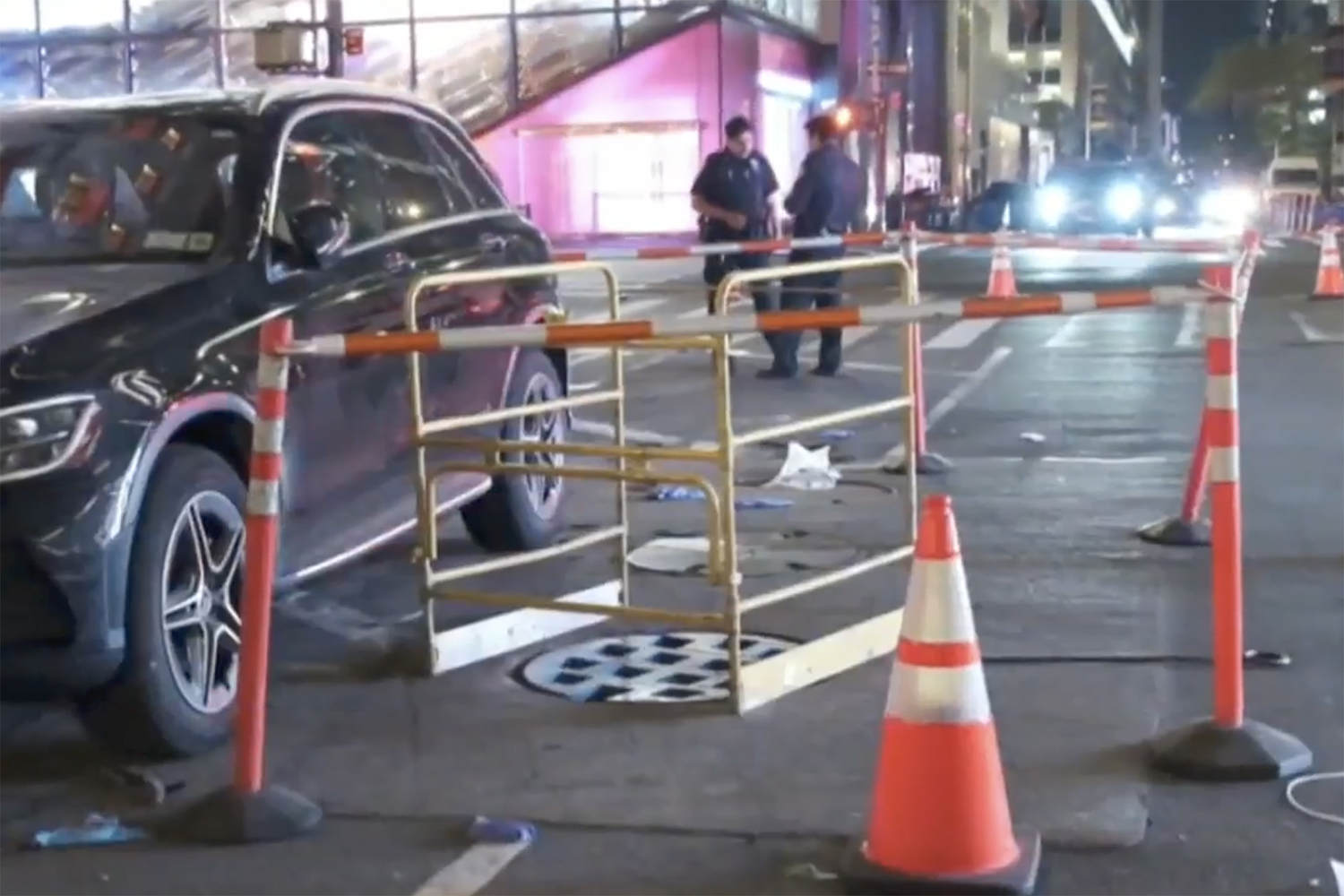
In the aftermath of the incident, the street was cordoned off. Flashing blue and red lights painted the brick facades of nearby apartments. Investigators stood around the perimeter, notebooks in hand, staring down into the darkness.
The immediate reaction to a tragedy like this is always anger, followed quickly by a desire for a systemic overhaul. People demand answers. Who was supervising the crew? Why weren't there secondary fail-safes? Why can't we design a manhole cover that cannot be left open without triggering an alarm?
These are valid questions, but they miss a deeper, more unsettling reality. We cannot automate away every single element of human error. No matter how many sensors we install, or how many brightly colored signs we print, our lives remain fundamentally dependent on the competence and care of strangers.
Think about the sheer volume of trust you invest in the world every day. You trust that the driver of the oncoming bus is awake and sober. You trust that the elevator cables in your office building have been inspected. You trust that the bridge you cross isn't suffering from structural fatigue.
We are all walking on a tightrope of collective trust. Most of the time, the wire holds.
The city didn't stop moving, of course. Even as the medical examiner's vehicle pulled away from the scene, the flow of pedestrians began to re-establish itself. People walked around the police tape, casting brief, nervous glances at the spot before hurrying onward to their destinations. They had meetings to attend, flights to catch, lunches to buy.
But for those who witnessed the fall, and for those who now look at the sidewalk a little differently, the illusion of safety has been permanently punctured.
The open manhole becomes a metaphor for the hidden vulnerabilities we all live with. We construct elaborate lives on the assumption of stability. We plan for next year, next decade, next week. We buy houses, we plant gardens, we map out careers. We build our world on top of a concrete slab, ignoring the hollow space beneath.
The true horror of the event wasn't just the manner of the death, but the utter randomness of it. It wasn't an act of malice. It wasn't a calculated crime. It was a failure of routine, an oversight that took less than a minute to manifest but will ripple outward through families and communities for decades.
A pair of shoes still sat near the edge of the cordoned area for a brief time after the crowds dispersed, left behind in the chaotic scramble of the rescue attempt. They were ordinary shoes, the kind meant for a long day of walking on hard pavement. They looked incredibly small against the backdrop of the towering city.
The next time you walk down a crowded avenue, listen for that metallic ring beneath your feet. It is the sound of a city working, fighting against decay, keeping the void at bay. But look down once in a while. Remind yourself that the ground is only as solid as the care of the people who maintain it.
The gap is always there, waiting just beneath the surface of the ordinary day. All it takes is a single missing piece of iron for the world to swallow you whole.