The kitchen clock ticked with a heavy, metallic thud. It was 2:00 AM. Sarah sat at the table, staring at a text message sent three years ago. The words hadn't changed. The hurt hadn't changed. Yet, there she was, scrolling backward into a digital graveyard, reopening a wound that had long since scabbed over.
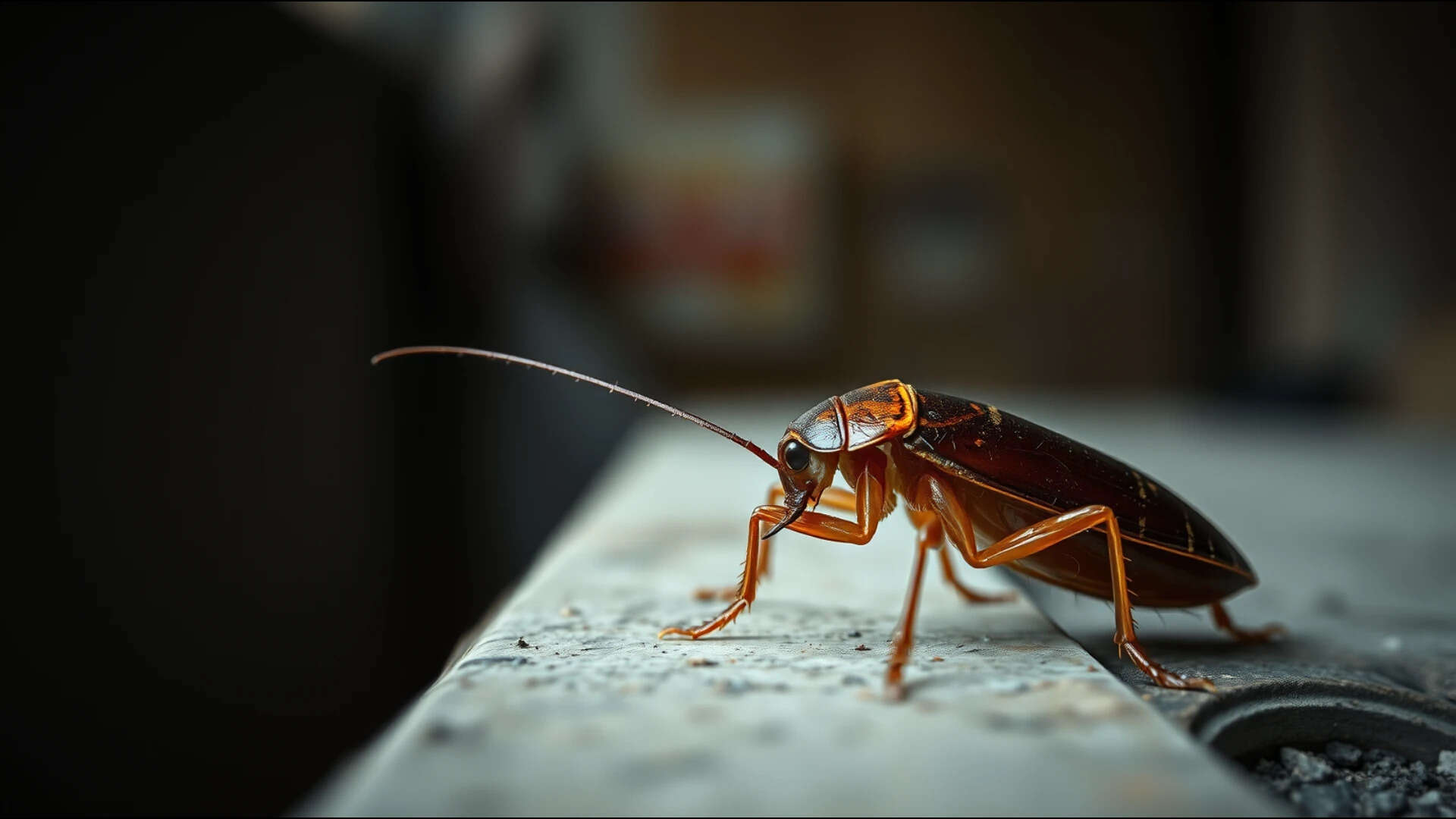
We do this under the guise of processing. We tell ourselves we are analyzing, learning, or seeking closure. But there is an old, blunt proverb that cuts through this self-deception with brutal clarity: "Stop scratching the cockroach's scars."
It is an uncomfortable image. It sounds dirty, a bit repulsive, and entirely unnecessary. That is precisely why it works. When we constantly revisit old grievances, failed relationships, or past mistakes, we aren't healing. We are actively irritating a settled insect. We are inviting pests back into our clean spaces.
Consider what happens next when you refuse to let the past stay buried.
The Chemistry of Rumination
Psychologists have a clinical term for this behavior. They call it rumination. It is the focused attention on the symptoms of one's distress, and on its causes and consequences, rather than its solutions.
When Sarah sits in the dark, re-reading that message, her brain cannot distinguish between the past memory and present reality. The amygdala fires. Cortisol floods her system. Her heart rate elevates. She is experiencing the exact emotional trauma of the original breakup all over again, by her own choice.
Metaphorically speaking, the cockroach was gone. It had scuttled into the floorboards years ago, leaving behind a faint mark of its presence. By dragging it back into the light, scratching at the calcified remains of that experience, Sarah ensures the wound stays fresh, raw, and prone to infection.
The human body is remarkably efficient at healing physical lacerations. Platelets rush to the site. Fibrous tissue forms. A scar appears—a tough, durable reminder that the body survived. The mind attempts to do the exact same thing with emotional trauma. A scar is not a sign of weakness; it is proof of healing. It is meant to be left alone.
The Invisible Stakes of Defending the Past
Why do we do it? Why do we scratch?
Often, it stems from a distorted sense of justice. We feel that if we forget the pain, we are letting whoever caused it off the hook. Or worse, we believe that if we stop worrying about our past mistakes, we will inevitably repeat them.
But the real problem lies elsewhere.
By dedicating mental bandwidth to maintaining old pain, we bankrupt our present. Every ounce of energy spent litigating a five-year-old argument is energy stolen from building a career, nurturing a current relationship, or simply enjoying a quiet afternoon. The stakes are entirely invisible because they manifest as absences. You don't see the opportunities you missed because your head was turned backward.
Imagine a runner trying to win a race while staring exclusively at the track behind them. They will trip. They will collide with others. Eventually, they will wander off the course entirely.
Breaking the Cycle of the Scratch
Letting go is rarely a grand, cinematic moment. It does not happen overnight with a dramatic epiphany. It happens in the quiet, mundane choices of a Tuesday afternoon.
It happens when the urge to check an ex's social media profile arises, and you lock your phone instead. It happens when a memory of an embarrassing mistake from high school bubbles up, and instead of spiraling into shame, you acknowledge it and deliberately shift your focus to the task at hand.
Action is the only antidote to rumination.
When the mind begins to scratch at those old scars, the most effective response is physical and immediate engagement with the world. Clean the kitchen. Walk around the block. Call a friend and ask about their life. Force your brain to process new, external data rather than recycling old, internal decay.
The past is a fixed data point. It cannot be edited, rewritten, or optimized. The scar exists because the event happened, but the cockroach itself has long since left the room.
Sarah finally set the phone face down on the wooden table. The screen went black, cutting off the glow that had illuminated her face for hours. She took a deep, cool breath of the night air, stood up, and walked away from the kitchen table, leaving the ghosts exactly where they belonged.