Rain at Silverstone does not fall. It hovers, a gray mist that settles deep into the asphalt, thickening the air with the scent of high-octane fuel and damp history. This is the cathedral of speed. On Sunday mornings before a Grand Prix, the atmosphere here is usually taut, vibrating with the quiet anxiety of men who are about to propel themselves into corners at two hundred miles per hour, trusting their lives to carbon fiber and physics.
But this weekend, the tension in the paddock is different. It is not born of fear. It is born of a profound, collective embarrassment.
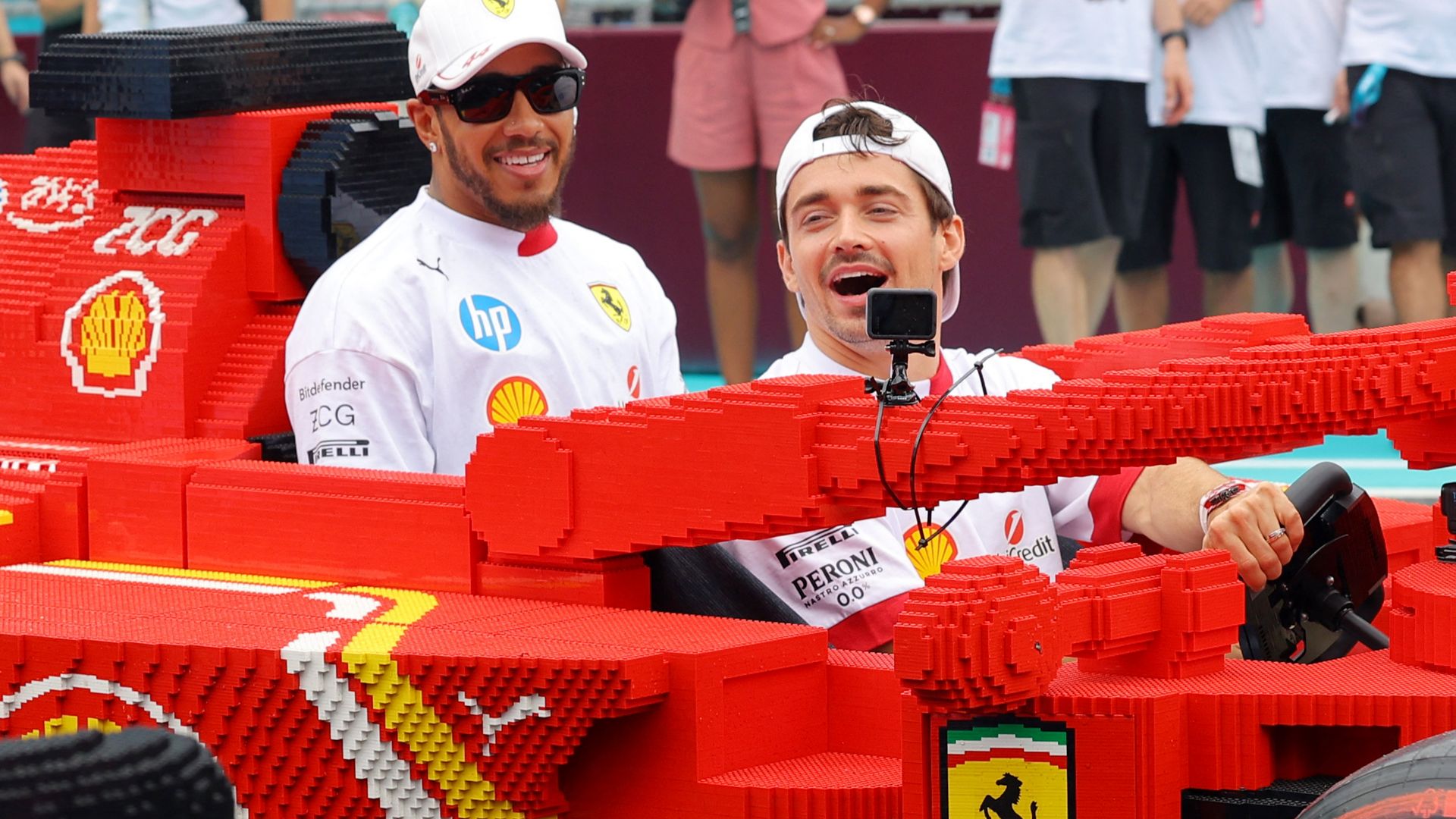
Parked in a neat, colorful row near the pit lane are twenty-two meticulously engineered vehicles. They feature custom suspension, custom electric powertrains, and individual chassis. They can reach twenty-five kilometers per hour. They are made entirely of plastic bricks.
The Lego drivers' parade has arrived, and Formula 1 is facing an existential identity crisis masquerading as fan engagement.
Consider the reality of a modern racing driver. From the age of six, they are molded into singular, highly specialized athletes. They sacrifice normal childhoods, endure brutal G-forces, and exist in a state of hyper-focused discipline where a millisecond means the difference between immortality and obscurity. They are gladiators who have earned the right to step onto the grid of the world’s most elite motorsport.
Then, they are told to squeeze their frames into a giant toy go-kart and bump into their rivals for social media clout.
"We are Formula 1 drivers," Max Verstappen said, his voice carrying the flat, uncompromising cadence of a multi-time world champion who refuses to play along. "I think we should not look like kids and clowns trying to ram into each other."
It is a blunt assessment, but it cuts directly to the emotional core of the sport. For Verstappen, the problem is not the toy itself. He openly admits to building Lego sets at home with his family. The problem is the venue. The problem is the dilution of a sacred space. When you take the absolute pinnacle of human engineering and turn its practitioners into viral content creators before the lights even go out, you lose something intangible. You lose the mystique.
The corporate logic behind the activation is simple enough to understand. After a chaotic debut in Miami, where drivers veered off course and accidentally scattered plastic bricks across the tarmac, the internet erupted. Millions of people who had never watched a single lap of Grand Prix racing watched a seven-second clip of multimillionaire athletes behaving like children at a bumper-car track. To the commercial rights holders and the corporate sponsors, that clip is gold. It bridges the gap between diehard motorsport purists and a generation of consumers who digest the world through vertical video feeds.
But the real problem lies elsewhere. It rests in the invisible contract between the athlete and the sport.
Lewis Hamilton, a man who has spent two decades navigating the complex intersection of global celebrity and elite performance, initially balked at the spectacle. His hesitations ran deeper than a simple dislike of the aesthetic. There are sponsor obligations, unpaid marketing demands, and the sheer expenditure of emotional energy on a weekend where every ounce of focus should belong to the tarmac.
When pressed about his reluctance, Hamilton chose discretion over a public feud. "There is not really much to say on that," he remarked quietly. "That's something I need to take offline."
The statement speaks volumes through its brevity. It reveals the invisible weight carried by these drivers. They are no longer just racers; they are corporate emissaries expected to perform on command, regardless of how it compromises their dignity or their preparation.
Imagine a world-class concert pianist being forced to play a plastic toy keyboard for twenty minutes to appease a major sponsor right before walking out to perform Rachmaninoff's Third Concerto at Carnegie Hall. The notes would still be notes. The crowd might even find it endearing. But the artistic integrity, the mental fortress required to perform at the absolute limit, would be fractured.
The drivers want a return to simplicity. They want the traditional pre-race parade—a flatbed truck, the entire grid standing together, sharing a moment of mutual respect with the fans who braved the British weather. It is unpretentious. It looks professional.
"I just do my lap and wave at the fans because they deserve that," Verstappen muttered, conceding to the inevitability of the corporate machine. "But, of course, from my side I would have loved to see it a little bit different."
On Sunday afternoon, twenty-two men will climb into cars built from twenty-eight thousand plastic bricks. They will drive at a crawl around the historic bends of Copse, Maggots, and Becketts. The cameras will flash. The internet will get its memes. The algorithms will be satisfied.
But as the plastic cars are wheeled away to make room for the real machines, a lingering question will remain hanging over the Silverstone tarmac: how much of its soul can a sport sell before it forgets what it was building in the first place?