For six decades, the cultural consensus treated Dolly Parton as a happy accident. The media loved the iconography of the East Tennessee mountain girl who wandered out of a cabin built for twelve and stumbled into rhinestones, treating her preternatural success as an act of down-home magic rather than calculated corporate mastery. This narrative is comforting. It allows the public to consume her genius without grappling with the razor-sharp intellect required to survive and conquer the American entertainment machine. The reality of Parton is far more radical. She was never just a singer with a charming drawl. She was the sole architect of an independent empire, constructing a blueprint for artistic autonomy that modern musicians still fail to replicate.
The foundation of this empire rested on an uncompromising approach to intellectual property. While contemporaries signed away their futures to standard Nashville management traps, Parton established her own publishing company, Ovale Music, in 1967—the same year her debut album dropped. When Elvis Presley wanted to record "I Will Always Love You," Colonel Tom Parker demanded half the publishing rights, a standard industry shakedown of the era. Parton said no. It cost her a recording by the biggest star on the planet, but it preserved her catalog. Years later, Whitney Houston’s blockbuster cover generated millions that flowed directly back to Parton, validating a business instinct that terrified traditional executives. Ownership was non-negotiable. Discover more on a connected issue: this related article.
The Weaponization of Caricature
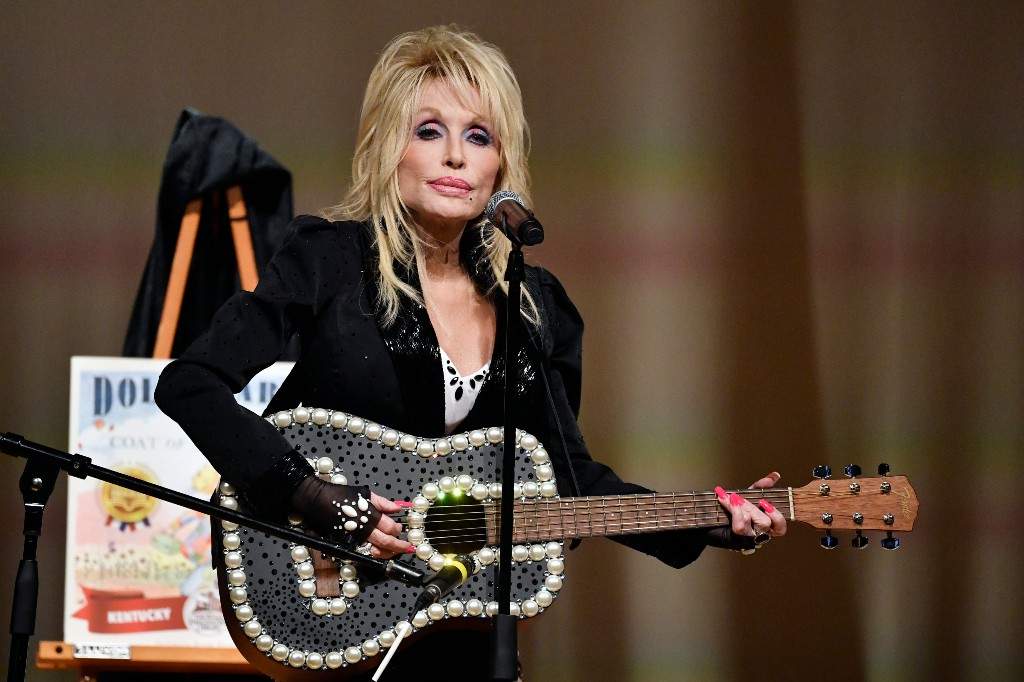
Her visual presentation functioned as the ultimate shield and sword. By intentionally exaggerating the look of the local town figure who scandalized her childhood community, Parton preempted every critic who might ever try to diminish her. If a reviewer called her cheap or loud, she leaned into the joke with self-deprecating armor, knowing full well that underneath the acrylic nails and towering wigs sat a mind that wrote thousands of songs without ever writing down a lyric or a chord chart on paper.
This performance of excess masked a ruthless work ethic. Behind the smile lived a workhorse disguised as a show horse. While Hollywood and Nashville executives assumed her persona signaled compliance, she used that underestimated status to execute high-stakes corporate maneuvers. When she broke away from Porter Wagoner’s television syndicate—a split that involved a bitter multi-million dollar lawsuit—she did not miss a step. She absorbed the blow, absorbed the litigation fees as the cost of independence, and pivoted straight into pop crossover territory with "Here You Come Again". Traditionalists shrieked that she had lost her mind. She simply expanded her demographic base by millions. More reporting by Wall Street Journal highlights comparable views on the subject.
Economic Sovereignty in Appalachia
Her masterclass in independence culminated in Dollywood. When she proposed building a major theme park in Pigeon Forge, Tennessee, financial advisors warned her it would fail. They viewed the region as too isolated, too economically depressed to sustain a multi-million-dollar entertainment destination. Parton ignored them. She understood something the Wall Street consultants missed: the deep, unserved pride of the Appalachian working class.
Instead of letting external corporations exploit regional poverty for cinematic tropes, she turned the park into an economic engine that injects billions into East Tennessee while employing thousands of locals. It was regional preservation masquerading as a roller coaster ride. Every ticket sold reinforced her financial independence from the record labels that eventually tried to dictate her artistic output. When major labels drifted away from her traditional bluegrass roots later in her career, she simply launched Dolly Records, funding her own acoustic and bluegrass projects out of pocket because she had earned the right to please herself first.
The cultural grief following her passing often settles into platitudes about her warmth, her charity, and the Imagination Library handing out millions of books to children. These tributes are accurate, yet they miss the tougher core of her legacy. Parton did not survive eighty years in a predatory industry through kindness alone. She survived because she out-thought, out-worked, and out-owned everyone in the room. She took the narrow path of a dirt-poor background and forged a fortress of absolute control, leaving behind a blueprint that proves true artistic freedom belongs exclusively to those who refuse to sell the keys to their own house.
Remembering Dolly Parton: Country Singer Legend In Her Own Words on Becoming a Superstar
This archival footage captures Parton discussing her unyielding drive and the deliberate ambition required to build an enduring global legacy.
http://googleusercontent.com/youtube_content/1