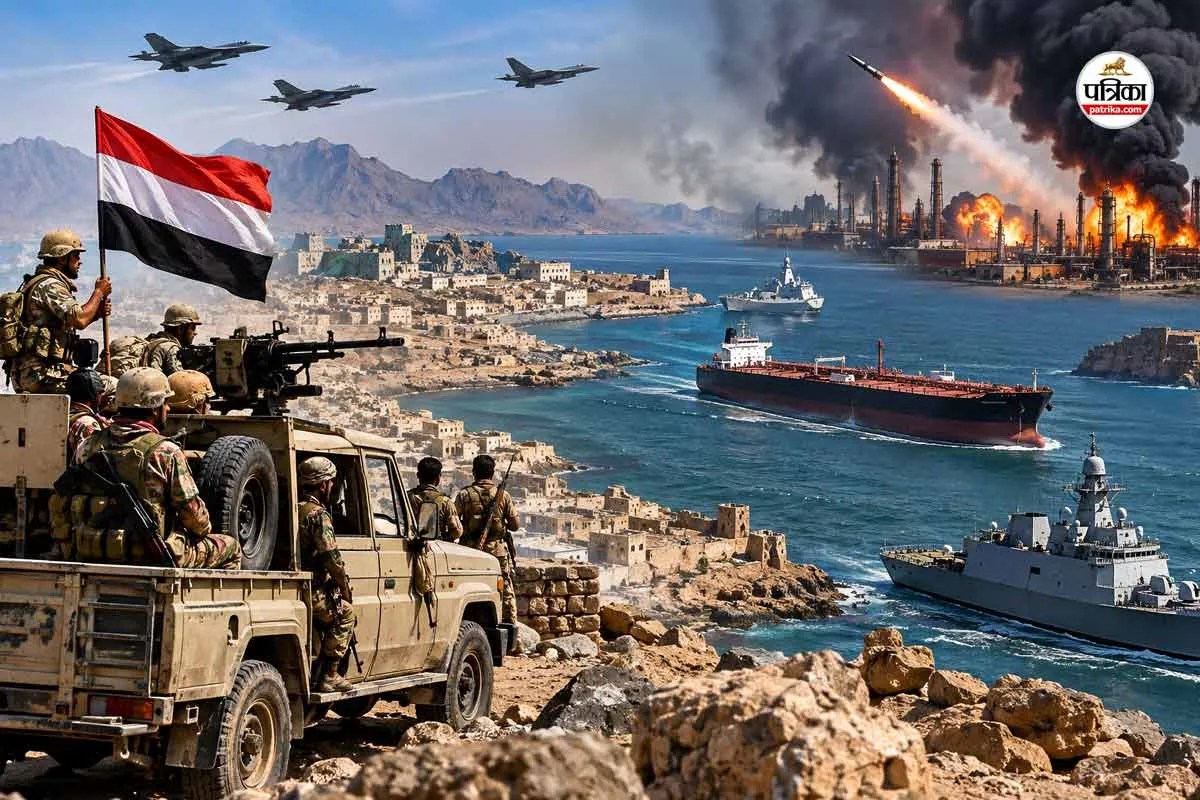
Every desk-bound strategist in foreign policy capitals is currently screaming about an impending catastrophe in the Horn of Africa. The narrative is lazy, predictable, and entirely detached from financial reality. Media outlets love flashing headlines about Addis Ababa rattling sabers, mobilizing troops, and preparing to march toward the coast to reclaim a sovereign maritime gateway.
Stop buying the panic.
Ethiopia is not about to launch a catastrophic regional war over coastline access because modern states do not conquer ports when commercial logistics offer cheaper, bloodless work
Why Ethiopia Wants A Red Sea Port And Why Panic Mongers Have It Completely Backwards
news
Every media outlet and regional commentator is currently hyperventilating about Ethiopia securing a Red Sea port, framing Addis Ababa's diplomatic push as the prelude to an inevitable military conflagration in the Horn of Africa. The lazy consensus is familiar. Ethiopia is landlocked, desperate, flexing its demographic muscle, and threatening its neighbors with invasion to carve out a maritime corridor. Headlines scream about impending blockades, naval standoffs, and a scramble for the Bab el-Mandeb strait.
It is a gripping narrative. It is also fundamentally wrong.
The entire panic rests on a flawed premise: that sovereign states in the twenty-first century still need to seize sand and saltwater by force of arms to secure commercial survival. Ethiopia does not want a shooting war with Eritrea, Djibouti, or Somalia. An outright invasion would destroy the very economic engine Prime Minister Abiy Ahmed is trying to rescue. What Addis Ababa actually wants is a total restructuring of maritime logistics norms through commercial leases, equity swaps, and mutual dependency.
To understand why the mainstream consensus is barking up the wrong tree, we have to look past the saber-rattling and examine the brutal economic arithmetic governing East Africa.
The Geography Trap Is Real But Conquest Is Obsolete
Let us start with the baseline reality. Ethiopia is the most populous landlocked nation on earth, housing over one hundred twenty million people. For thirty years, since Eritrea gained independence in 1993, Addis Ababa has relied almost entirely on Djibouti for its maritime lifeline. Roughly ninety-five percent of Ethiopian imports and exports funnel through a single logistics corridor.
That is not a trade route; it is a geopolitical hostage situation. Djibouti charges tens of millions of dollars annually in port fees, and any disruption along the Djibouti-Addis highway strangles the Ethiopian domestic market. When inflation bites, when currency reserves dwindle, and when foreign debt mounts, that structural vulnerability becomes an existential threat.
The amateur analyst looks at this chokehold and concludes that war is coming. The strategist looks at the balance sheet and realizes war is far too expensive.
When Ethiopia signed a Memorandum of Understanding with Somaliland in early 2024 to secure naval and commercial access along the Gulf of Aden in exchange for potential recognition of Somaliland's statehood, regional capitals erupted. Somalia cried foul over sovereignty violations. International organizations warned of destabilization.
Yet, look at what actually happened on the ground. Did battalions mobilize for a cross-border blitz? No. The maneuver was an exercise in commercial leverage. Ethiopia is utilizing diplomatic coercion and economic incentives to force a conversation that Djibouti and Mogadishu tried to suppress for decades: regional maritime sharing.
Port access is no longer about planting a flag on a beachhead. It is about port management equity, dry port development, and multimodal logistics integration. Ethiopia is offering stake ownership in its booming state-owned enterprises, like Ethiopian Airlines, in exchange for sovereign-leased coastal corridors. That is not nineteenth-century imperialism. That is twenty-first-century corporate statecraft.
Dismantling The Horn Of Africa Panic Machine
Let us dismantle the three most persistent myths being peddled by regional security "experts" who cannot see past their own textbooks.
First, the myth that Eritrea is about to be invaded. Commentators love to point to Prime Minister Abiy Ahmed’s 2023 remarks highlighting the Red Sea as a "natural boundary" for Ethiopia as proof of aggressive intent toward the port of Assab. But listen to the actual policy execution. Ethiopia's economy is currently grappling with severe foreign exchange shortages, post-conflict reconstruction bills in Tigray, and IMF structural adjustment pressures. Addis Ababa cannot afford a localized skirmish, let alone a protracted war with Eritrea's heavily militarized regime. The rhetoric is high-stakes diplomatic theater designed to shatter the status quo at the negotiating table, not on the battlefield.
Second, the myth that Djibouti is about to become irrelevant. Even if Ethiopia secures alternative access via Somaliland or elsewhere, Djibouti’s geographic advantage is baked into maritime reality. It sits at the mouth of the Red Sea directly adjacent to the world's busiest shipping lanes. Ethiopia cannot simply pack up its trade and walk away. What Addis is doing is driving down transit costs by introducing competition into a regional monopoly. Economists call this diversification; alarmists call it an act of war.
Third, the myth that foreign powers will turn the Red Sea into a proxy slaughterhouse over this dispute. While the Bab el-Mandeb strait is already a geopolitical flashpoint due to Red Sea security dynamics and global shipping disruptions, major global players like the United States, China, and the Gulf states have zero interest in backing an Ethiopian land grab. Their priority is supply chain stability. If anything, Beijing and Washington want a stable, economically viable Ethiopia, which requires reliable maritime access. Their diplomatic pressure will quietly force a commercial compromise long before any shots are fired.
The Real Risk Nobody Is Talking About
If the threat of an inter-state war is vastly overstated, where does the real danger lie?
It lies internally. The obsession with the Red Sea is a brilliant diversionary tactic by an administration in Addis Ababa facing acute domestic pressures. Ethnic federalism is fraying the seams of the Ethiopian state. Insurgencies in the Amhara and Oromia regions are draining state capacity. Economic pain is hitting the urban working class harder than at any point in modern memory.
When a government faces internal fracture, externalizing the struggle is a classic playbook maneuver. The quest for sea access rallies nationalist sentiment across ethnic lines. For a brief moment, Oromo, Amhara, and Tigrayans all agree on one thing: Ethiopia deserves a port.
The danger is not that Ethiopia attacks its neighbors. The danger is that the regime overplays its hand diplomatically, isolating itself further from its immediate neighbors while failing to deliver tangible economic relief to its citizens. If the diplomatic gambits in Somaliland or elsewhere collapse, the regime loses face, and a cornered political elite is infinitely more unpredictable at home than it is abroad.
Stop waiting for naval armadas to clash off the coast of East Africa. That is a ghost story invented by people who mistake diplomatic posturing for military doctrine. Ethiopia is playing a long, cold calculation of economic survival, and the real theater of consequence is inside the corridors of Addis Ababa, not on the shores of the Red Sea.