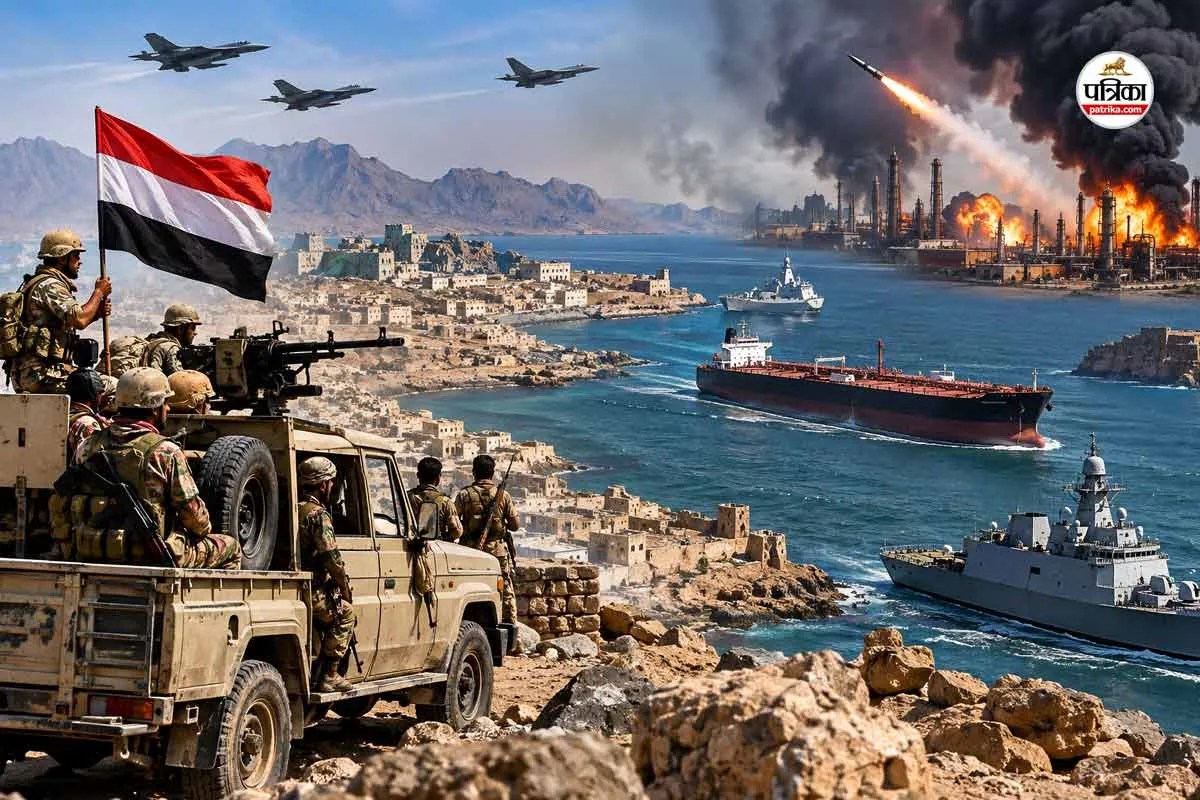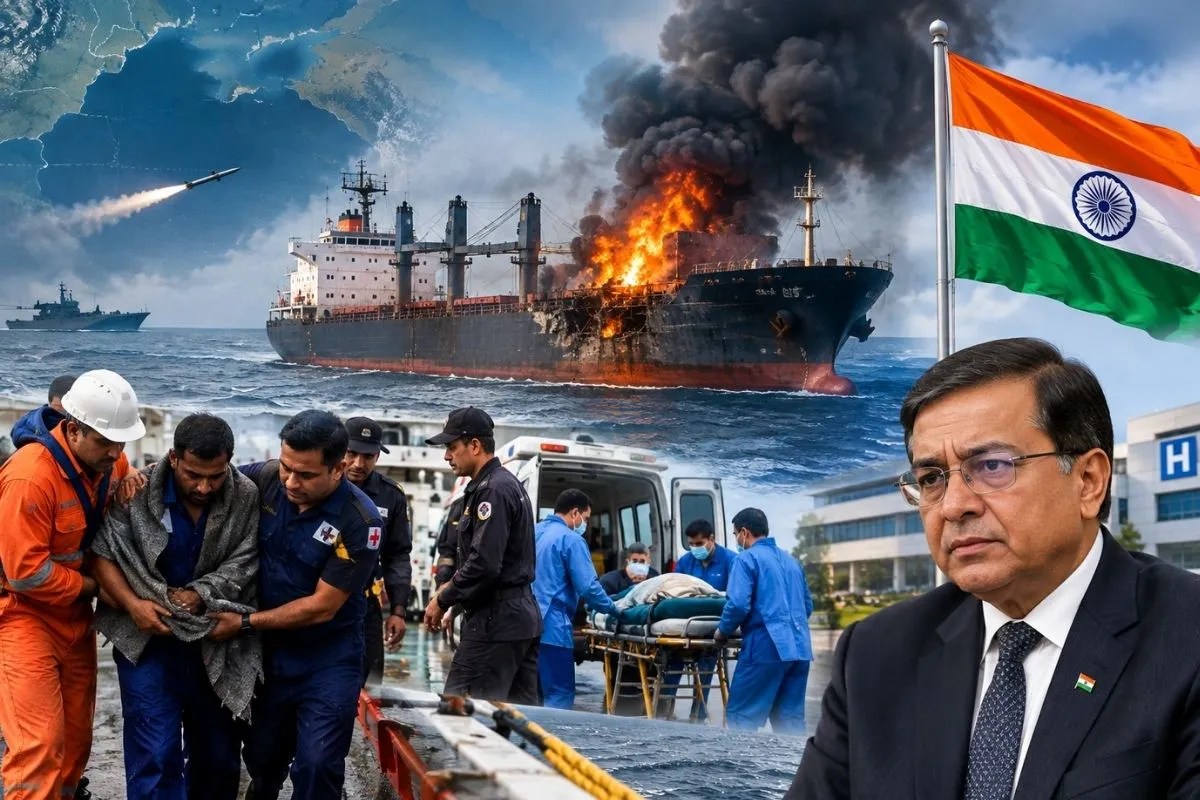
Every time a commercial freighter takes a missile or a drone strike from the Persian Gulf up to the Black Sea, the mainstream commentariat reacts with predictable choreography. Headlines shriek about rising tensions, diplomats issue stern warnings at international bodies, and ministers talk about protecting maritime supply lines. When a grain-laden carrier like the MV Royad Mammadov gets hit near Romanian waters, leaving behind casualties and triggering anxiety for Indian and international crew members, the immediate reflex is to frame it as an isolated security failure.
This is lazy analysis. Treating these incidents as mere tactical disruptions or localized enforcement problems completely misses the structural transformation of modern trade geography.
External Affairs Minister S. Jaishankar was entirely correct to highlight at the United Nations that the continuous targeting of commercial vessels from the Gulf to the Black Sea is unacceptable. Where the conventional narrative fails, however, is in pretending that these choke points can be secured through diplomatic condemnations or naval escorts alone. The international community wants to believe that global commerce operates on a rules-based order that can be patched up with a few stern warnings. It cannot.
The Myth of the Secure Sea Lane
For decades, the global economy has relied on the comfortable fiction of open oceans. The assumption was simple: sovereignty ends at the coastline, but international waters belong to everyone. That era is dead. When non-state actors in the Red Sea and state combatants in Eastern Europe treat civilian cargo as collateral, they are not committing random acts of piracy. They are weaponizing the architecture of globalization.
Look at the mechanics. Modern containerization and bulk shipping are optimized for extreme cost efficiency, not resilience. Ships are built larger, crews are kept lean, and margins are razor-thin. When geopolitical flashpoints expand from the Persian Gulf to the Black Sea, they do not just threaten individual ships; they expose the fragility of a system that has no redundancy.
Yet, the standard commentary treats each strike as a localized tragedy rather than a symptom of a systemic shift. When analysts write about these attacks, they focus on insurance premiums, rerouting costs around the Cape of Good Hope, and temporary supply chain delays. They treat these as friction points in an otherwise functioning machine.
They are wrong. This is the new baseline.
Why Diplomatic Warnings Fall Flat
Condemnations in multilateral forums feel good in press releases, but they carry zero deterrence value against actors who calculate that disrupting trade yields higher strategic leverage than preserving it. When a commercial vessel is struck within sight of European borders or across critical Middle Eastern lanes, exhortations for restraint are treated by belligerents as background noise.
I have watched logistics firms and maritime insurers absorb millions in unexpected losses while corporate boards continue to operate under the assumption that normalcy is just around the corner. That optimism is commercial suicide. Insurers are already pricing these risks into every ton of cargo, but the underlying pricing models still assume that maritime warfare is an anomaly.
It is not an anomaly. It is the new instrument of statecraft.
When maritime routes become vectors of economic warfare, protecting them requires more than naval patrols. It requires a complete reimagining of supply chain vulnerability. Companies that continue to source materials or move goods through high-risk corridors while banking on diplomatic safety nets are gambling with loaded dice.
The Unspoken Trade-Off
The uncomfortable truth that nobody in the policy establishment wants to admit is that global trade has been subsidized by decades of unchallenged American and allied naval dominance. That hegemony is eroding. As regional powers project force and asymmetric warfare techniques—such as cheap maritime drones and anti-ship missiles—democratize naval destruction, the cost of keeping the seas open rises exponentially.
If you want absolute security for commercial shipping from the Persian Gulf to the Black Sea, you have to accept the economic cost of militarizing every commercial lane or decoupling supply chains entirely. There is no middle ground where global trade remains hyper-efficient while geopolitics burns.
Stop waiting for stability to return. It is not coming back. Build redundancy into your supply networks or prepare to watch your margins evaporate the next time a drone finds a target in a contested sea.