Tragedy strikes the waters of the Philippines with grim regularity. Another ferry bursts into flames. Lives are lost. Dozens vanish beneath the waves. You read the breaking news, shake your head, and wonder how this keeps happening in a modern maritime nation. It happens because systemic negligence, weak enforcement, and bureaucratic inertia outweigh safety regulations every single day.
Maritime disasters aren't freak accidents in this part of the world. They are predictable outcomes of a broken infrastructure. When a ferry catches fire miles from the coast, passengers face an impossible choice. Jump into shark-infested, turbulent water or stay on a burning vessel. Let us break down why the latest maritime disaster in the Philippines is part of a much larger, neglected crisis.
The Reality of Archipelago Travel
More than seven thousand islands make up the Philippine archipelago. Ferries act as the highways of this nation. Millions rely on wooden outriggers, aging roll-on/roll-off ships, and crowded passenger liners to visit family, trade goods, and commute for work.
You cannot avoid taking a boat if you live here. But stepping onto a vessel often feels like a gamble. Boats run past capacity. Cargo bays pack tight with unauthorized freight. Safety gear sits locked away or rots from salt spray.
People normalize the risk because they have no alternative. You need to get home. The ferry is cheap. You board, cross your fingers, and try not to look too closely at the rust creeping along the hull.
Where Oversight Fails
The Philippine Coast Guard and maritime authorities talk tough after every major fire or sinking. They launch investigations. They suspend operating permits for a week. Then public memory fades, ships resume sailing, and the cycle repeats.
Why do safety checks fail?
- Bribery and Corruption: Inspectors look the other way for a modest cash payment. Overloaded manifests get stamped as compliant.
- Aging Fleets: Companies buy discarded ships from wealthier nations, painting over structural damage instead of retiring them.
- Inadequate Training: Crew members rarely run live fire drills with actual passengers. In an emergency, chaos reigns.
When a ferry erupts in flames out at sea, passengers rarely find crew members directing evacuation. People fend for themselves. Life vests lack proper inspection tags. Life rafts fail to deploy.
The Human Cost Behind the Statistics
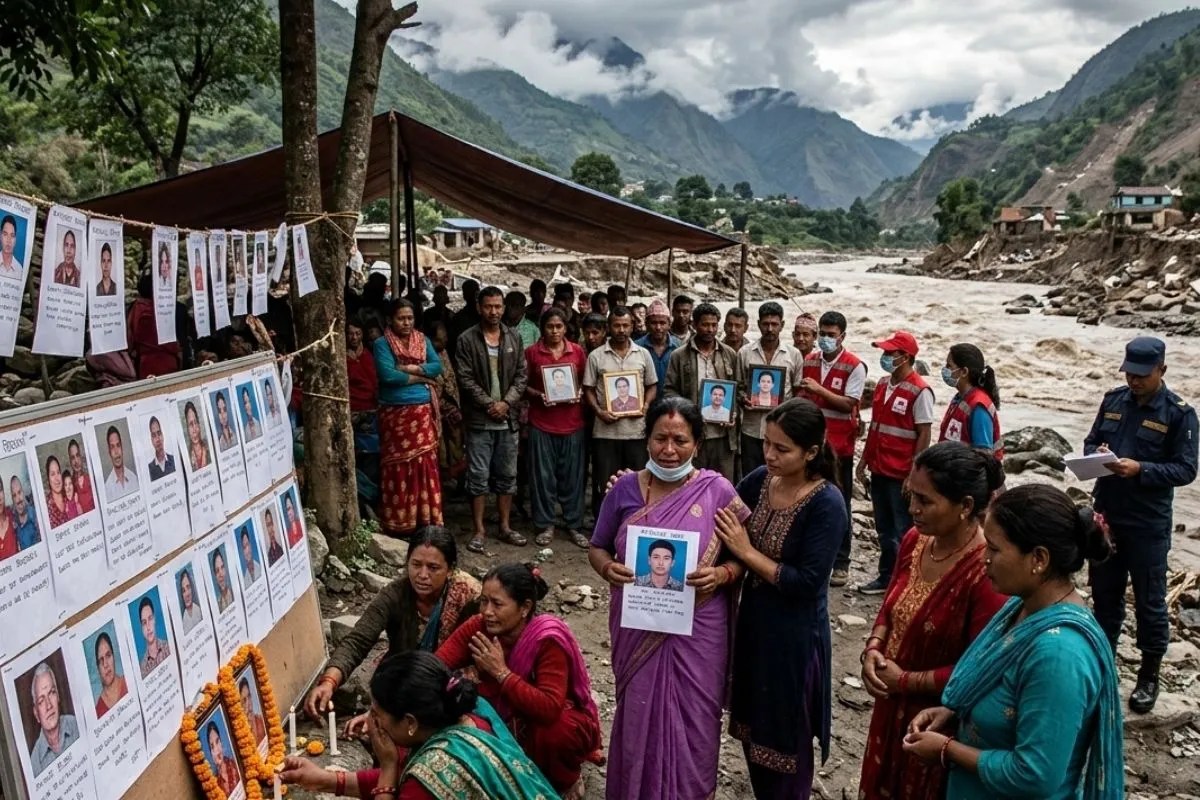
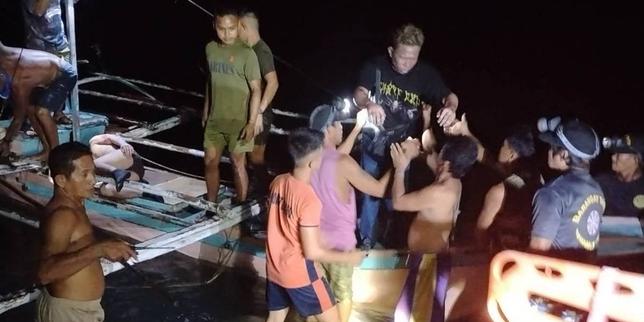
Numbers on a screen strip away the horror. Five dead. Dozens missing. Families waiting at remote ports for hours, staring at a grey horizon, praying for a miracle.
Search and rescue operations face immense hurdles. Currents move fast. Communications break down. By the time response teams reach the wreckage, hypothermia, smoke inhalation, and panic have already done their worst.
Survivors carry trauma that lingers for years. They remember the smell of burning diesel. They remember the heat searing their skin. They remember the screams echoing across the dark water.
What Needs to Change Right Now
Fixing this mess requires more than temporary outrage. The government must mandate strict structural audits for every vessel older than a decade. Penalties for overloading must bankrupt the operators, not just slap them with a minor fine.
Maritime authorities need independent oversight bodies that answer to the public, not to wealthy shipping magnates with political connections. Accountability has to replace corruption.
Until real enforcement happens, traveling by sea in the Philippines remains a deadly roll of the dice. Demand better from the operators. Push local leaders to prioritize human lives over cheap, fast transit. If you or someone you know must travel by ferry in the region, check for visible safety gear before boarding, know your nearest exit, and trust your instincts if a vessel looks dangerously neglected.