When the US Federal Reserve hints at higher interest rates, property values across the globe feel the shockwaves almost instantly. You might think foreign real estate operates independently, but global capital is tied directly to US monetary policy. If you own international property or plan to buy abroad, understanding this dynamic protects your cash. Let's look at how Fed rate hikes actually reshape overseas property markets, separating the winners from the losers.
Why US Interest Rates Dictate Global Property Pain
Monetary policy doesn't stay inside American borders. When US yields climb, global investors pull cash out of riskier foreign assets and chase safe, high-yielding US Treasuries. This massive capital flight drains liquidity from international housing markets.
Local central banks often have to raise their own rates just to stop their currencies from collapsing against the dollar. When local borrowing costs spike, domestic mortgages become brutally expensive. Buyers dry up, and over-leveraged developers start sweating.
The Losers: Markets Vulnerable to US Rate Hikes
Certain regions take a direct hit when the Fed tightens policy. If a country relies heavily on foreign capital inflows or maintains a currency peg to the US dollar, it absorbs the blow immediately.
Markets with Dollar Pegs
Countries in the Gulf Cooperation Council, such as the United Arab Emirates and Qatar, peg their local currencies directly to the US dollar. Their central banks must match Fed rate movements step-for-step to defend the peg. When US rates climb, local mortgage and corporate lending rates jump too. While prime luxury segments in Dubai or Doha often stay resilient due to cash-heavy international buyers, mid-tier local buyers face sudden affordability walls.
Emerging Economies with Heavy Dollar Debt
Developing nations that borrow heavily in US dollars suffer a double whammy during Fed hikes. Their local currency depreciates against the dollar, making their external debt servicing much more expensive. Domestic banks tighten lending standards, bringing construction pipelines to a grinding halt. Real estate markets in parts of Latin America and Southeast Asia frequently stall out in these cycles because local developers cannot secure affordable project financing.
The Winners: Where Capital Finds Safe Harbor
Not every international market loses when US rates rise. Some regions actually benefit as capital flees volatility and seeks out structural stability or undervalued entry points.
Cash-Dominated Luxury Enclaves
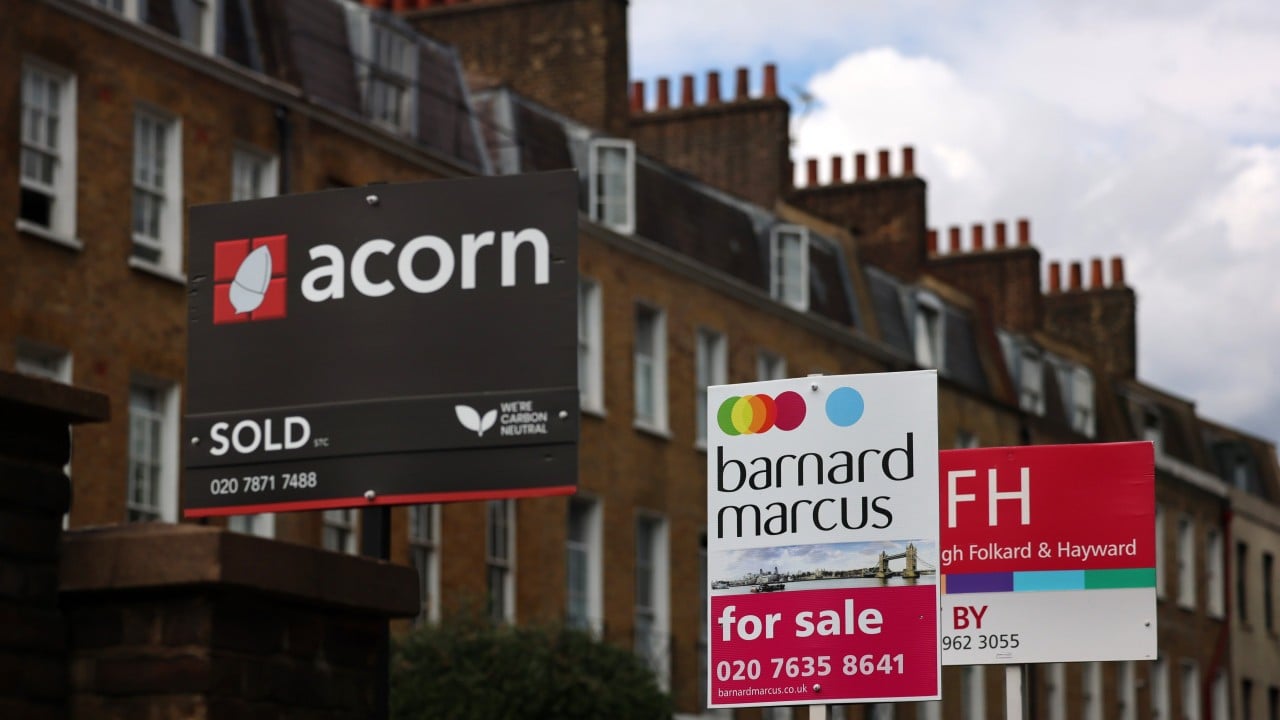
Prime luxury real estate markets behave entirely differently than mainstream housing. In locations like London, prime central Paris, or select European coastal cities, a massive share of transactions happen in cash rather than through local mortgages. When Fed hikes squeeze leveraged buyers elsewhere, wealthy investors frequently shift capital into tangible, prime global assets that act as an inflation and currency hedge.
Markets Independent of Dollar Flows
Countries with floating exchange rates and isolated domestic credit markets often decouple from US policy. If domestic demand is driven by structural housing shortages rather than speculative foreign leverage, property values hold firm. Japan is a prime example where unique domestic monetary policies create an entirely separate ecosystem for real estate investors, shielding local assets from direct Fed correlation.
What You Should Do With Your Portfolio Now
Stop assuming international real estate diversifies away US monetary risk. If you're hunting for overseas property while the Fed signals higher rates for longer, your strategy needs to shift.
Prioritize markets with low leverage requirements or high concentrations of cash buyers. Avoid emerging markets reliant on short-term foreign portfolio inflows. Look for structural supply constraints where population growth guarantees rental demand, regardless of what central bankers do in Washington. Real estate rewards those who track liquidity, not just local scenery.