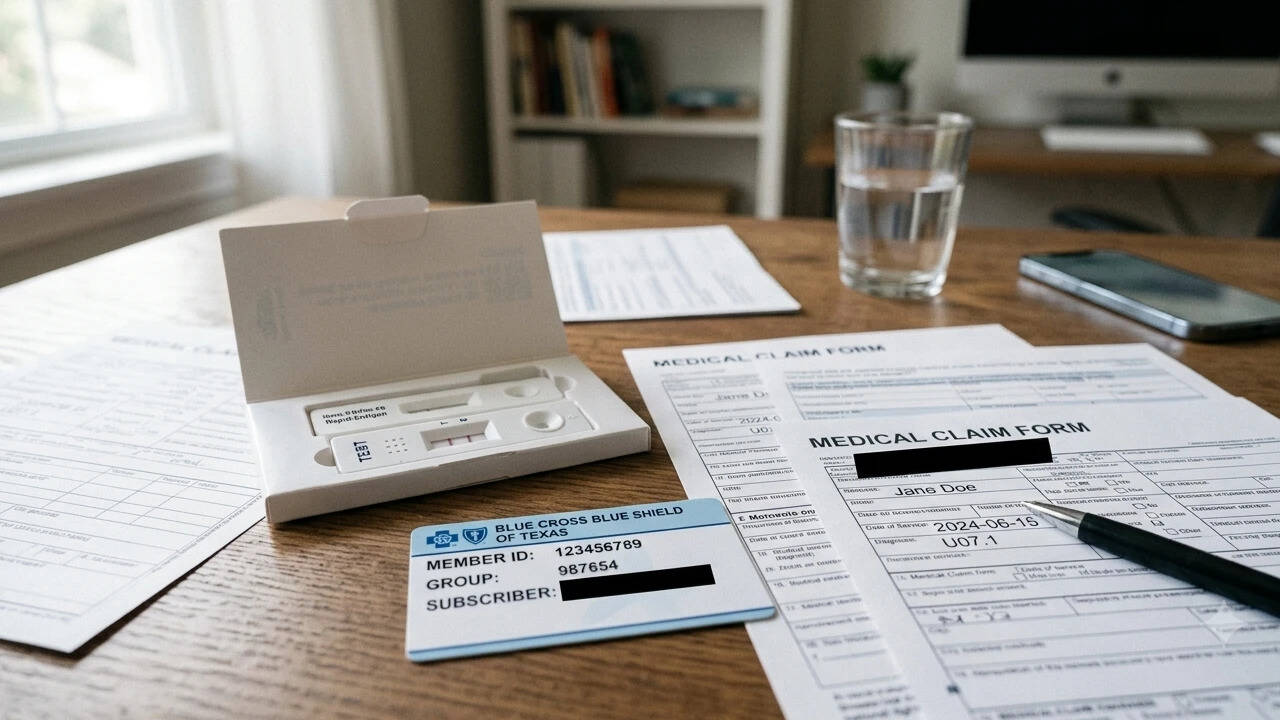
When the world retreated behind locked doors and panicked families scrambled for reassurance, a New York-based operation called Fast Lab Technologies spotted an extraordinary commercial opportunity. They did not build a better diagnostic tool, accelerate supply chains, or discover a therapeutic breakthrough. Instead, they recognized that an overwhelmed healthcare infrastructure coupled with pervasive public terror created the ultimate environment for large-scale administrative looting.
The mechanics of the operation were brutally simple. Through an aggressive digital presence, Fast Lab promised consumers "free" COVID-19 testing. To secure a kit, individuals were required to input their private health insurance details. Behind the scenes, those digital intake forms bypassed any legitimate clinical utility and fed a high-volume billing engine.
Federal prosecutors would later uncover that the firm submitted more than 500 million dollars in fraudulent claims to private and public health insurers. The charges detailed a staggering array of phantom procedures. Insurers were billed for antigen tests allegedly observed by medical professionals, saliva samples collected on site by trained clinicians, and complex Polymerase Chain Reaction evaluations that were never conducted. In many instances, bills were transmitted across state lines before the physical test kits had even arrived at a consumer's home.
The recent guilty plea of the company’s Chief Operating Officer, Hasan Seyhun, pulls back the curtain on how white-collar criminals weaponized administrative inertia during a global emergency. Seyhun admitted to conspiracy to commit healthcare fraud, agreeing to a personal forfeiture judgment exceeding 4.3 million dollars after pocketing at least 35 million dollars in direct proceeds. Yet focusing solely on individual culpability misses the systemic vulnerability that allowed such a brazen scheme to survive for years.
Medical billing in the United States operates on an implicit foundation of institutional trust. Insurers process millions of claims daily through automated clearinghouses where speed frequently supersedes rigorous verification. During the height of the pandemic, federal mandates requiring insurers to cover COVID-19 testing without cost-sharing created an unprecedented volume of administrative traffic. Fraudsters did not need sophisticated hacking tools or forged credentials. They merely needed an influx of valid insurance policy numbers and a billing template that matched industry coding standards.
The architecture of modern insurance reimbursement assumes that entities submitting claims possess a valid provider status and clinical oversight. Fast Lab checked these boxes on paper, aided by compliant medical professionals willing to lend their credentials to the enterprise. Once the claims entered the payment stream, automated algorithms often cleared them simply because the volume of legitimate claims was so catastrophic. The checks and balances designed to catch anomalies were overwhelmed by the sheer scale of pandemic testing.
The fallout from these federal investigations extends far beyond a single corporate entity in New York. The Department of Justice, alongside specialized strike forces, has steadily dismantled networks that viewed public health emergencies as open-season profit centers. Billions of dollars in intended losses have been targeted across multiple jurisdictions, exposing a multi-billion dollar underbelly of pandemic-era white-collar crime.
The systemic lessons left in the wake of Fast Lab’s collapse point to an urgent need for modernization across the insurance sector. Automated processing models that prioritize speed over verification remain vulnerable to bad actors who understand how to exploit regulatory blind spots. As enforcement agencies continue to claw back illicit gains and secure guilty pleas from high-ranking corporate officers, the financial sector is forced to reckon with the reality that administrative systems must evolve to withstand future crises without becoming automated cash machines for fraudsters.
The ledger is still being tallied, and the true cost of these phantom swabs is measured not just in millions of dollars diverted from healthcare reserves, but in the erosion of public faith during an era when trust was our most scarce commodity.