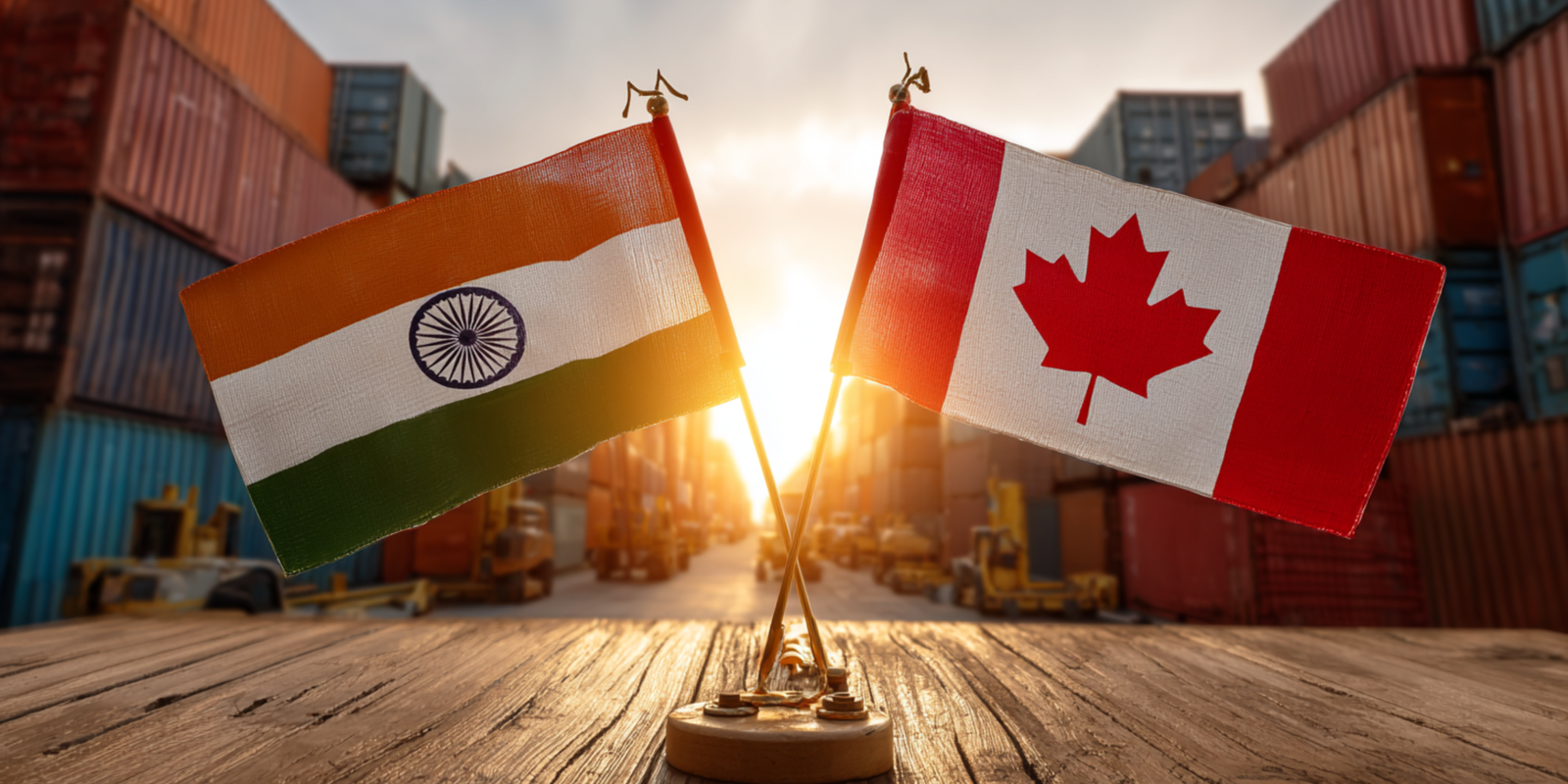
The diplomatic deep freeze between New Delhi and Ottawa hasn't just thawed; it's practically evaporated under the pressure of economic reality. On May 8, 2026, officials from India and Canada wrapped up the second round of negotiations for the Comprehensive Economic Partnership Agreement (CEPA) in New Delhi. This wasn't just another dry meeting of bureaucrats. It marks a definitive shift from the political hostility that defined 2023 and 2024 toward a pragmatic, multi-billion-dollar future.
If you're wondering why this matters, look at the numbers. The two nations have set an aggressive target of $50 billion in bilateral trade by 2030. That's a massive jump from the $8.66 billion recorded in 2024-25. To get there, both sides are moving past the "Early Progress Trade Agreement" (EPTA) crumbs and going straight for the full CEPA meal.
Inside the Second Round of Negotiations
The five-day marathon at Vanijya Bhawan wasn't limited to low-hanging fruit. Negotiators got into the weeds on complex "chapters" that usually stall these deals for years. We're talking about intellectual property, rules of origin, and those pesky technical barriers to trade that usually keep Canadian pulses out of Indian kitchens or Indian textiles off Canadian shelves.
What's different this time is the vibe. Following the March 2026 meeting between Prime Minister Narendra Modi and Canadian Prime Minister Mark Carney, the mandate from the top is clear: get it done. The "Terms of Reference" signed back in March acted as the playbook for this week's progress. While the diplomats won't admit it publicly, the urgency is driven by a shared need to diversify supply chains away from a single dominant neighbor.
What's actually on the table?
The discussions covered a massive spectrum of the economy. Here’s the breakdown of what’s being traded and what's at stake:
- Goods: India wants better access for its pharmaceuticals, gems, and jewelry. Canada is pushing to lower the prohibitive tariffs on its agricultural exports and minerals.
- Services: This is the heavy hitter. Canada’s service exports to India—largely driven by education—hit over $15 billion in 2024. India wants to ensure its IT and professional services can move across borders without hitting a wall of red tape.
- Energy: A CAD $2.6 billion uranium deal with Cameco is already in the bag, but the CEPA aims to expand this into LNG and green hydrogen.
The Reality of the Trade Imbalance
Let’s be honest about the data. In the 2025-26 fiscal year, merchandise trade actually dipped to $7.92 billion. While India’s exports to Canada grew by about 10.6%, reaching $4.67 billion, imports from Canada plummeted by 37%.
This imbalance is exactly why Canada is so desperate for this deal. Canadian exporters are currently paying "prohibitive" tariffs—sometimes up to 125% on certain products—while India has already signed preferential deals with Australia, the UAE, and the UK. Without a CEPA, Canadian businesses are basically watching their competitors walk through an open door while they're stuck in the security line.
Why Mark Carney’s Leadership Matters
The "Carney Effect" is real. Since taking office, the Canadian PM has treated trade with India as a strategic necessity rather than a political bargaining chip. His visit to India in early 2026 wasn't just for photo ops; it was a reset that allowed both countries to reinstate High Commissioners and get back to business.
The strategy now is "de-risking." India needs Canada’s critical minerals—potash, uranium, and lithium—to fuel its green energy transition and feed its massive population. Canada needs India’s market to hit its goal of doubling exports to markets outside the US. It's a textbook case of economic complementarity.
What Happens in Ottawa this July
Don't expect a final signature just yet. The third formal round of negotiations is scheduled for July 2026 in Ottawa. Between now and then, "intersessional" meetings will happen virtually to iron out the technicalities of the "Rules of Origin." This is the boring but critical part where they decide exactly how much of a product must be made in India or Canada to qualify for zero tariffs.
Commerce and Industry Minister Piyush Goyal is also expected to lead a high-level business delegation to Canada later this month. This is a classic "track two" diplomacy move—letting the CEOs talk while the government lawyers finish the paperwork.
Practical Steps for Businesses
If you’re an exporter or an investor, don't wait for the final announcement to start your prep. The momentum is heavily favoring a deal by late 2026 or early 2027.
- Review your tariff codes: If you're in pharmaceuticals, engineering, or agrifood, look at the current "Most Favored Nation" (MFN) rates. The CEPA will likely slash these significantly.
- Audit your supply chain: The "Rules of Origin" will be strict. Ensure your documentation can prove where your raw materials are coming from to take advantage of future tax breaks.
- Watch the July session: The Ottawa round will be the litmus test. If they can clear the hurdles on "Trade in Services," the rest of the deal will slide into place.
The days of India and Canada ignoring each other are over. The economic gravity of a $50 billion target is simply too strong to ignore. While political hiccups could always reappear, the sheer volume of investment—with Canadian pension funds already holding over $100 billion in Indian assets—means the money is talking louder than the politicians ever could.