Russian aerial strikes killed at least three civilians across Ukraine, marking yet another bloody cycle in a war that has ground into its fifth year. This escalation unfolds against the backdrop of anticipated diplomatic missions by United States envoys to Kyiv and Moscow, creating a stark dissonance between high-level political posturing and the grim reality on the ground. Understanding this moment requires looking past standard diplomatic announcements to examine the shifting economic and military calculations driving both sides.
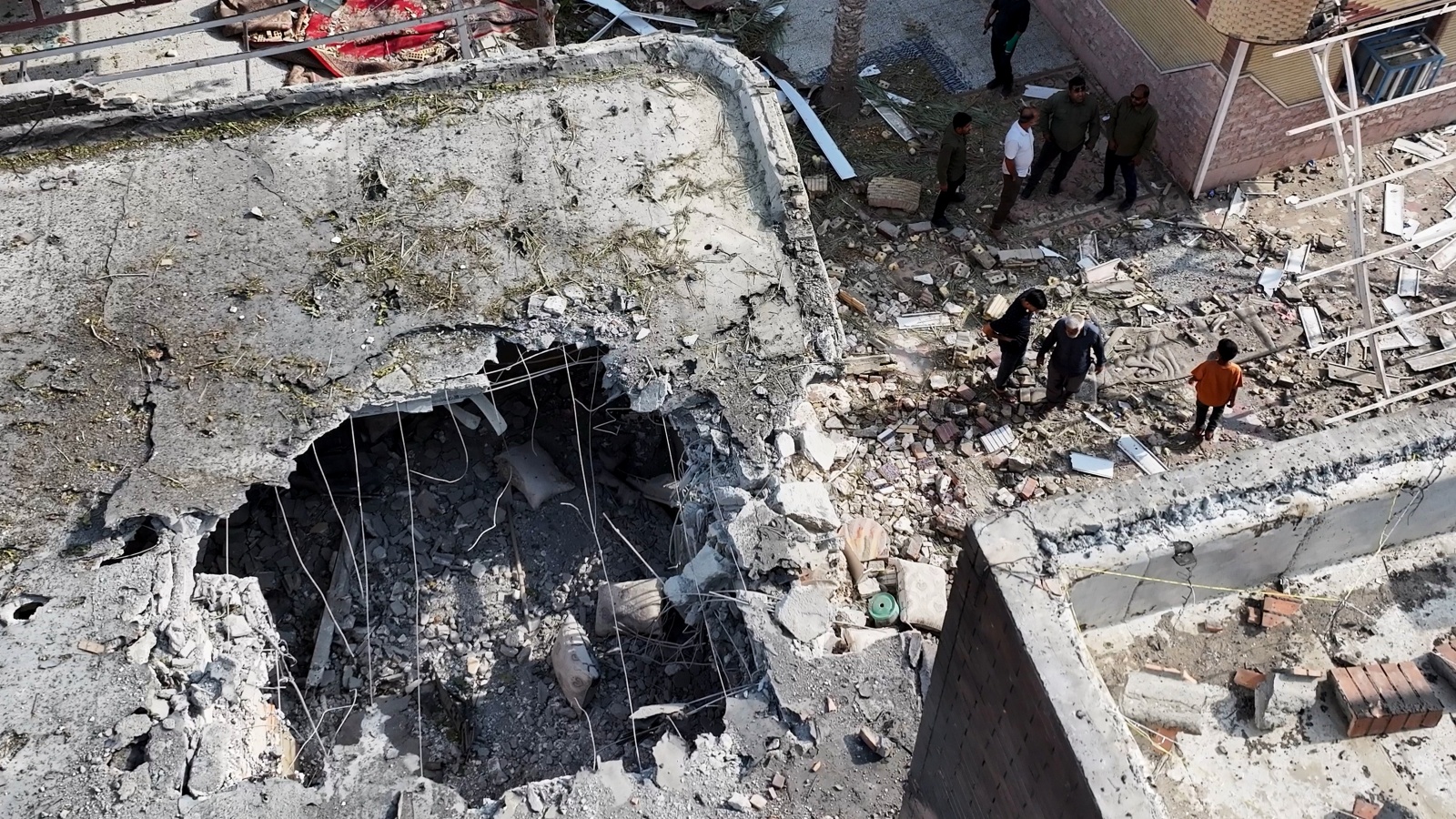
The air war has undergone a dangerous tactical evolution. Moscow's forces have increasingly discarded the traditional rhythm of strictly nocturnal raids, pushing heavy bombardments into daylight hours. In Odesa, a massive overnight strike reduced multi-story residential blocks to rubble, killing one civilian and injuring several others, including a child. Simultaneously, strikes in Dnipro claimed the lives of local police officers, while residential infrastructure in Kyiv absorbed direct drone impacts.
These aren't random kinetic expenditures. They represent a sustained effort to fracture civilian morale while front-line positions remain deadlocked.
The Diplomatic Mirage
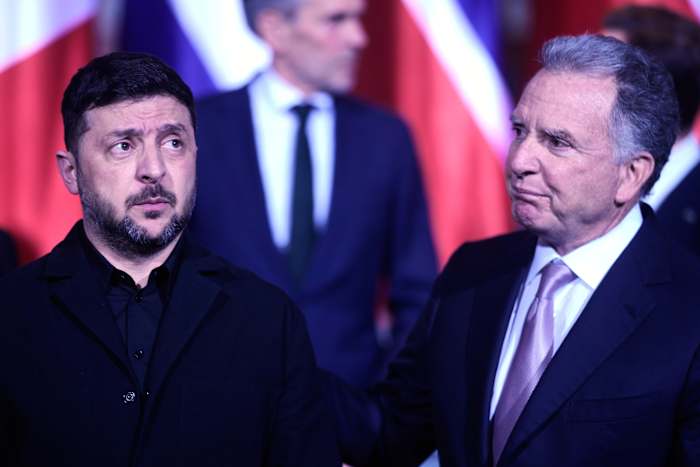
President Volodymyr Zelenskyy confirmed that preliminary dates have been established for high-level meetings involving American negotiators. Reports point toward visits by U.S. envoys to Moscow followed by stops in Kyiv. Yet, past diplomatic interventions have repeatedly crashed against intractable territorial disputes.
Moscow's leadership continues to frame any long-term settlement as entirely contingent on recognizing its territorial demands—a non-starter for Kyiv. Furthermore, diplomatic momentum has frequently suffered as Washington's attention fractures across multiple global theaters, including escalating flashpoints involving Iran. When negotiations are described by the Kremlin as frozen, the diplomatic track often serves as a smoke screen while both militaries posture for positional advantage.
The Economic War of Attrition
While diplomatic channels sputter, the economic pressure points of the war have shifted inward for both nations. Ukraine has systematically expanded its long-range drone campaign, targeting the economic lifeblood of the Russian state. Refineries, fuel terminals, and major logistical e-commerce hubs deep within Russian territory have absorbed repeated strikes.
This strategy aims to make the conflict acutely felt by the Russian public. The economic ripples—ranging from fuel distribution hiccups to damaged commercial infrastructure—have forced the Kremlin to take defensive legislative measures. Last month, decrees were issued allowing the state to temporarily seize control of critical infrastructure if private owners fail to secure or rebuild assets damaged by Ukrainian drones. It is an attempt to shift the financial burden of the war directly onto corporate balance sheets while maintaining public stability.
Yet, public anxiety persists. Sociological tracking indicates a slow, steady erosion of economic confidence and dipping approval metrics among the Russian populace. Persistent rumors regarding potential secondary waves of military mobilization continue to trigger quiet waves of emigration and localized panic, even as official channels deny such plans.
The Ground Reality
On the physical battlefields of eastern and southern Ukraine, the strategic initiative has largely stalled. Russian offensive efforts have failed to break through deeply entrenched defensive lines, yielding only fractional territorial gains compared to previous years. Because rapid territorial conquest has proven mathematically improbable with current force structures, the conflict has calcified into a brutal test of endurance.
As Washington's representatives prepare to touch down in the region, the parameters for a lasting peace remain entirely absent. Each side calculates that the next escalation might finally bend the other's political will. Until that calculus shifts, the cycle of strikes, structural decay, and civilian casualties remains the primary language spoken across the frontier.
The upcoming talks will test whether high-level diplomacy can pierce through an entrenched atmosphere of mutual exhaustion, or if they will simply become another footnote in a protracted war of attrition.