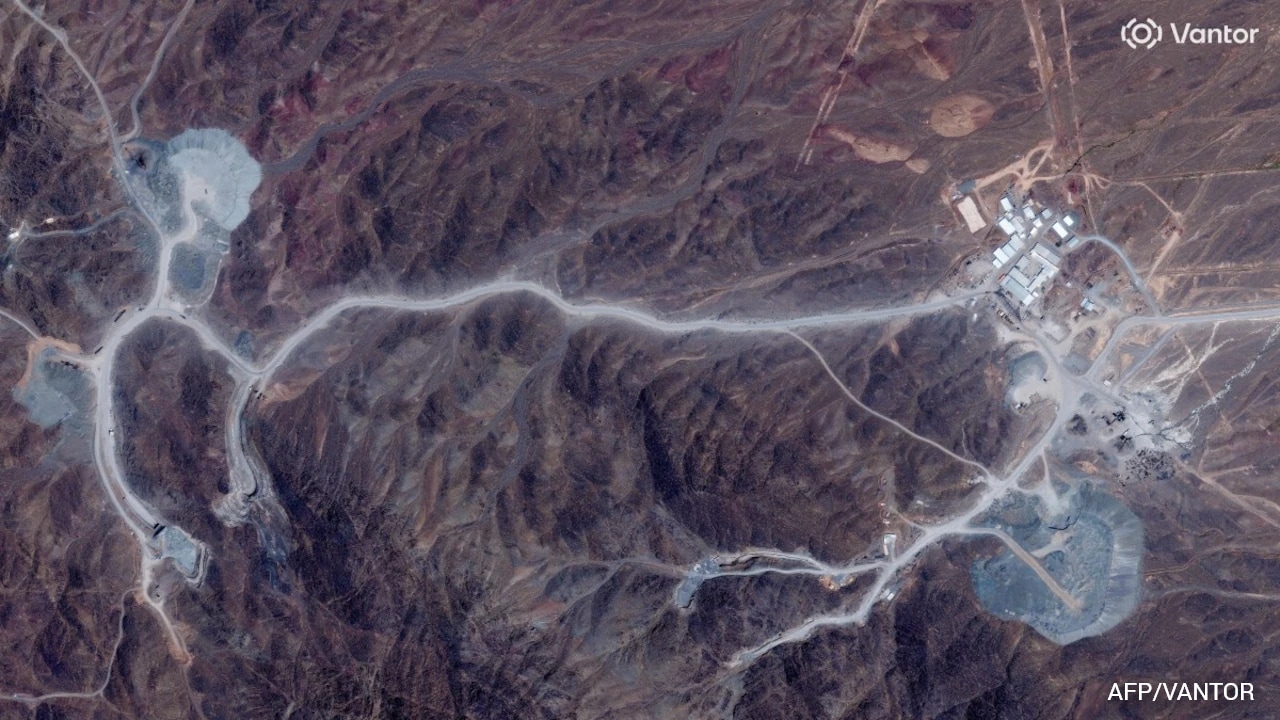
You can hide a lot beneath solid granite, but satellite eyes don't blink. Fresh intelligence shows a massive surge in construction activity at Pickaxe Mountain, Iran's heavily fortified underground facility tucked near the Natanz nuclear complex.
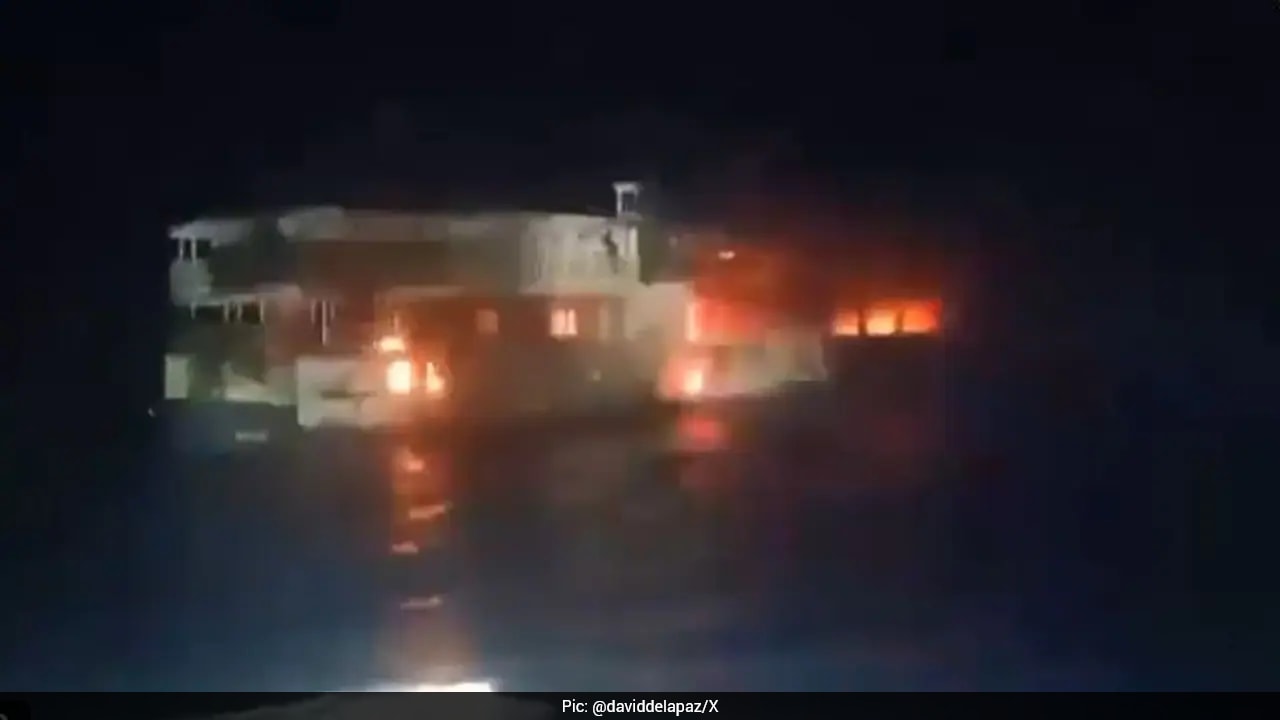
For months, Washington and Tehran have traded blows in an active military campaign. Amid the wreckage of regional skirmishes, satellite imagery analyzed by the Center for Strategic and International Studies (CSIS) reveals that Iran isn't slowing down its nuclear ambitions. Instead, they're paving roads, hardening tunnel portals, and clearing out excavation debris at a pace never seen before.
What the Satellite Data Actually Shows
If you look at the timeline from 2020 onward, the site has clearly shifted phases. It's no longer just about blasting rock and hauling away dirt.
The newest data points to a different kind of operational focus. Analysts tracking five key points of interest note distinct physical upgrades:
- Portal accesses are being raised and heavily reinforced.
- Internal road networks are fully paved for heavy transport.
- Spoil heaps from earlier excavation work are being flattened and removed.
Does this mean active enrichment is happening right now? CSIS experts admit they can't definitively confirm whether centrifuges are spinning inside the mountain yet. But the physical footprint points straight toward an underground safe haven designed to withstand serious punishment.
Why Pickaxe Mountain Poses a Massive Tactical Problem
Building a bunker under a granite mountain isn't an accident. It's a direct response to modern air power.
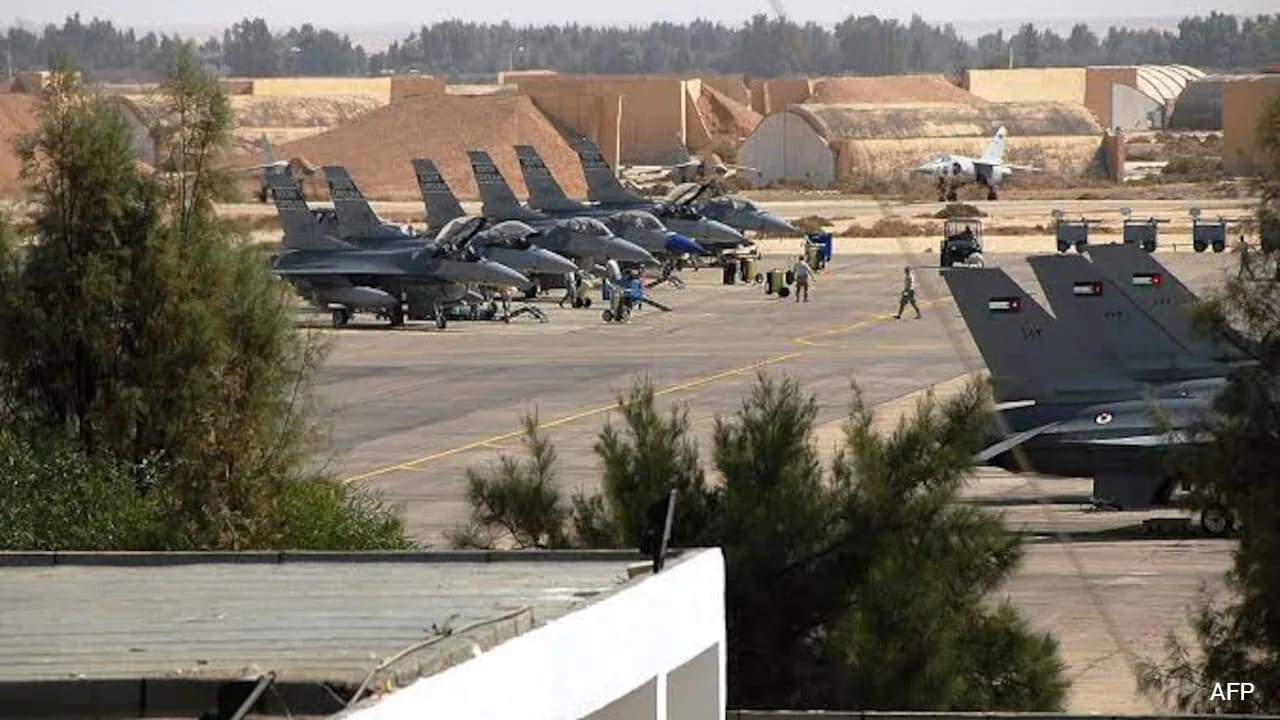
Intelligence agencies view Pickaxe Mountain as a primary candidate for housing sensitive nuclear infrastructure, potentially including centrifuge assembly or uranium enrichment halls. By pushing these operations deep underground, Iran wants to shield them from the kind of airstrikes that routinely flatten surface-level buildings.
Even the Pentagon's heaviest non-nuclear bunker-buster munitions face a brutal math problem when trying to crack thick granite layers. That physical protection explains why US leadership keeps issuing direct warnings about hitting the site, while defense contractors quietly work on next-generation penetrator tech behind closed doors.
The Diplomatic Fallout
The construction surge isn't happening in a vacuum. It coincides with a fierce diplomatic showdown at the International Atomic Energy Agency (IAEA).
For years, inspectors have demanded answers about undeclared uranium traces found at various sites across the country. Iran's persistent refusal to grant meaningful access or explain the discrepancies finally pushed the IAEA board to report Tehran to the United Nations Security Council.
Iran accuses Washington and Israel of weaponizing the inspection process to justify military aggression. Meanwhile, the Revolutionary Guards keep expanding maritime restrictions and launching retaliatory strikes across the region.
Pickaxe Mountain sits right at the center of this geopolitical storm. As long as the tunnels get deeper, the risk of a high-stakes preemptive strike stays on the table.