The standard foreign desk narrative surrounding Latvia’s recent parliamentary election reads like a boilerplate copy-paste exercise from 2022. International outlets breathlessly reported that the ballot was a referendum defined entirely by the shadow of Russia and the sting of inflation. Prime Minister Andris Kulbergs won a massive mandate, defense spending is rocketing toward five percent of GDP, and the frontline state stands shoulder-to-shoulder with Ukraine.
It is a tidy, comforting story for Western observers who love a clean geopolitical binary: brave democratic outpost versus looming authoritarian neighbor.
It is also dangerously incomplete.
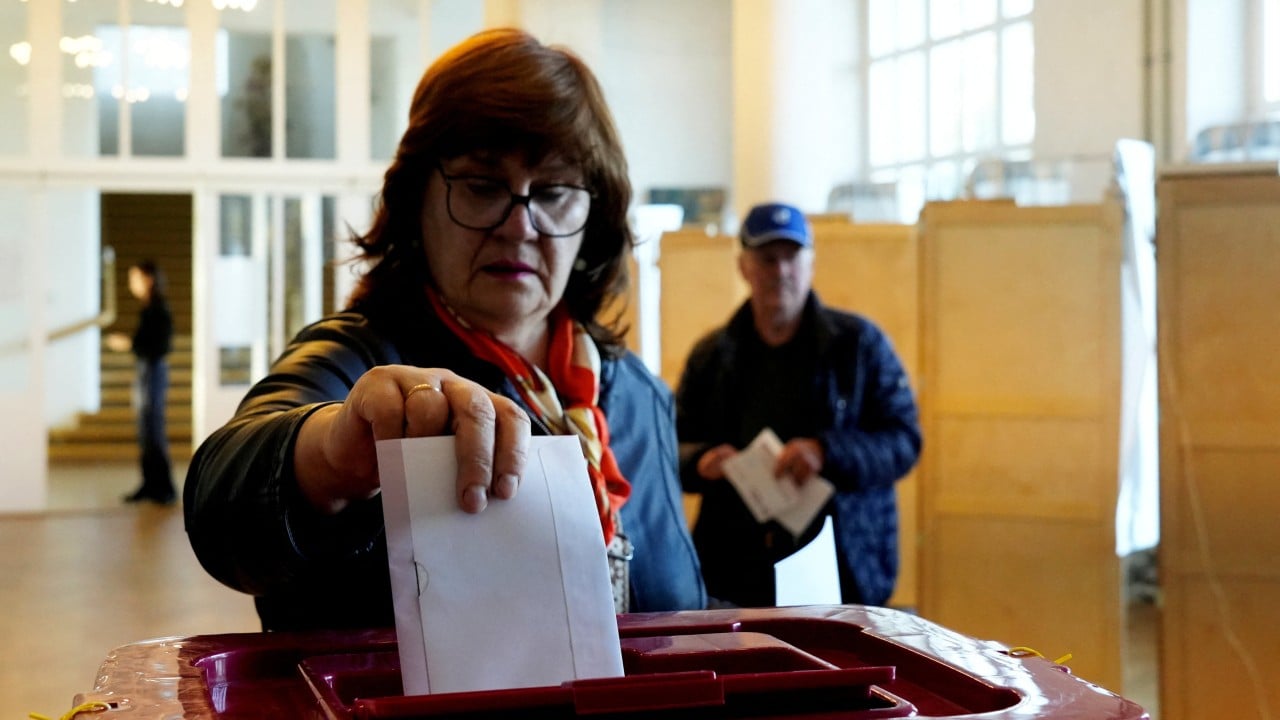
While the commentariat obsesses over the external threat across the eastern border, they are sleepwalking past a domestic decay that no amount of NATO armor can fix. Latvia did not just hold an election characterized by geopolitical anxiety; it held an election where over half of the eligible population couldn't be bothered to show up. A record-low turnout of roughly fifty-one percent should ring alarm bells from Riga to Brussels. When a frontline nation facing asymmetric hybrid warfare experiences
Why Everyone Gets Latvia All Wrong
news
gambia
The lazy consensus on European elections follows a predictable script. Turn on any news broadcast covering a Baltic vote, and you will hear the same exhausted narrative: an electorate paralyzed by existential dread, staring anxiously across the eastern border while grocery bills crush household budgets. The media frames Latvia as a frontline domino, trembling under the weight of geopolitical tension and inflation.
It is a tidy story. It is also completely backwards.
When voters in Riga head to the polls, they are not acting like terrified victims waiting for the axe to fall. They are acting like pragmatic shareholders in a gritty, high-stakes turnaround project. For decades, foreign analysts have misread the Baltic mindset through a lens of perpetual vulnerability. They look at a small nation wedged between historical superpowers and see a tragedy waiting to happen. They miss the ruthless adaptability that keeps the country functioning while larger European economies choke on their own bureaucracy.
Let us dismantle the primary myth: that external security threats dictate the daily economic and political calculus of the average Latvian voter.
Foreign pundits love to trot out the specter of regional conflict as the sole driver of political shifts. Yes, geography matters. No sovereign state ignores its neighborhood. But treating a nation of nearly two million people as a monolith of pure anxiety ignores local reality. When inflation spikes or energy prices fluctuate, the reaction on the ground is not panic; it is calculation. Latvia has spent the last thirty years mastering the art of the pivot. Having rebuilt its economy from the wreckage of the Soviet collapse, transitioned through the 2008 financial crisis, and decoupled its energy grid from eastern supply lines with brutal efficiency, the population possesses a tolerance for economic friction that would paralyze Western Europe.
Inflation is real. Supply chains are complicated. But blaming every ballot cast solely on geopolitical fear is intellectual laziness.
Voters are hyper-focused on internal structural efficiency. They care about municipal corruption, regional disparities between Riga and the countryside, and the sluggishness of public sector digitization. While foreign journalists obsess over external threats, locals are arguing about tax structures, healthcare reform, and the efficiency of public spending. To reduce a complex democratic exercise to a referendum on foreign policy is to infantilize an electorate that has repeatedly proven its capacity for sophisticated political choice.
Consider the economic structural reality. Latvia operates as a lean, open economy. It cannot afford the luxury of bloated, inefficient safety nets found in older Western European states. When global markets shudder, the response must be swift and often painful. Governments that fail to recognize this agility get punished at the ballot box, regardless of their foreign policy credentials. The political churn often misinterpreted as instability is actually a sign of a hyper-responsive democratic mechanism. If a coalition fails to deliver administrative competence, it gets swapped out. That is not a crisis. That is functionality.
Another favorite trope of the foreign press is the demographic anxiety narrative. Headlines warn of depopulation, brain drain, and aging workforces as if Latvia were uniquely cursed. Yet, urban centers like Riga are turning into dynamic regional tech and financial hubs, drawing talent back and fostering a startup ecosystem that punches well above its weight class. The pessimists are looking at yesterday's census data while tomorrow's digital infrastructure is being coded.
We must also address the recurring panic over societal division. Pundits love to paint the country as perpetually fractured along linguistic and ethnic lines, waiting to explode. This view is wildly outdated. A younger generation raised in a digital, EU-integrated environment operates on entirely different cultural frequencies than the old cold war binaries suggest. Shared economic interests and a collective commitment to institutional stability have forged a pragmatic consensus that transcends old demographic fault lines.
If you want to understand why elections here matter, stop listening to the panic merchants in foreign capitals. Look instead at how local businesses adapt to shifting regulatory landscapes, how municipal governments leverage European funds for infrastructure upgrades, and how citizens demand accountability from their leaders without waiting for external saviors.
The real story of Latvia is not about a fragile state trembling on the edge of history. It is about a resilient economy rewriting the rules of modern European governance on its own terms.
Stop looking for victims. Start looking at a masterclass in national survival and reinvention.