The concurrent execution of the 2026 FIFA World Cup Group C opener and Game 5 of the NBA Finals within the same metropolitan market establishes a structural blueprint for multi-sport fan monetization. On June 13, 2026, the 1-1 tactical draw between Brazil and Morocco at the New York New Jersey Stadium served as the lead-in to the New York Knicks securing their first NBA championship in 53 years with a 94-90 victory over the San Antonio Spurs. This alignment of high-stakes international football and domestic basketball exposed critical bottlenecks in regional transit infrastructure while demonstrating how cross-sport scheduling maximizes localized consumer spending.
To evaluate the economic and tactical outcomes of this dual-event convergence, the underlying operational variables must be isolated into distinct frameworks: the optimization of defensive structures under elite transition stress, the pricing elasticity of event-day logistics, and the velocity of capital within localized sports entertainment markets.
The Tactical Friction Coefficient: Dissecting the 1-1 Stalemate
The pitch dynamics between Morocco and Brazil revealed a distinct structural battle between systematic spatial denial and individual athletic variance. Morocco deployed a highly coordinated 4-2-3-1 medium block that compressed the distance between their defensive and midfield lines to fewer than 15 meters. This spatial compression functioned as a defensive mechanism designed to isolate Brazil’s creative axis, specifically neutralizing the structural half-spaces typically occupied by Lucas Paquetá and Bruno Guimarães.
The opening goal in the 21st minute by Ismael Saibari quantified the mechanical breakdown in Brazil’s central defensive pairing of Gabriel Magalhães and Marquinhos. The sequencing of the play identifies the specific point of failure:
- Midfield Turnover: Brahim Díaz intercepted an unforced loose ball in the center circle, exploiting a structural displacement in Brazil's defensive transition phase.
- Vertical Penetration: Díaz executed a line-breaking forward pass through the vertical seam between Gabriel and Marquinhos, targeting Saibari’s diagonal run.
- Decisive Execution: Saibari registered an unassisted expected goals (xG) value of roughly 0.42 by drawing Alisson Becker out of his primary positioning and utilizing a vertical lob to bypass the goalkeeper.
Brazil’s equalizer in the 31st minute demonstrated the limitations of systematic defensive blocks against elite spatial execution. Vinícius Júnior altered the tactical equilibrium by abandoning his wide-left touchline positioning to overload the central channel. By exchanging rapid short passes with Guimarães, Vinícius Júnior disrupted Morocco's lateral shifting capacity. His strike into the top right corner occurred from an area with a low statistical probability of conversion (estimated xG of 0.08), highlighting how individual execution can bypass structural defensive efficiency.
The second half settled into a low-risk equilibrium. Morocco’s high-press system adjusted to a lower block, prioritizing defensive preservation over offensive transition. Brazil’s possession share increased to 58%, yet their pass-to-shot efficiency dropped significantly. The tactical cost function for both squads dictated that a single point in Group C carried higher marginal utility than the high-variance risk of chasing a late winner, leading directly to the 1-1 outcome.
The Logistics Deficit: Transit Pricing Elasticity and Capacity Constraints
The surge of over 80,000 spectators into the East Rutherford sports complex exposed the extreme price inelasticity of event-based transport infrastructure. The premium fixed round-trip transit fare of $98 from Manhattan hubs to the stadium represented a substantial premium over standard operational tariffs, yet commuter demand remained perfectly vertical up to the three-hour pre-kickoff threshold.
This pricing strategy reveals an economic bottleneck in multi-jurisdictional transit planning. The Secaucus infrastructure corridor operates under a rigid capacity constraint, meaning that while the high ticket price acted as a mechanism to ration boarding access and fund surge security operations, it failed to smooth out peak demand spikes. The operational throughput limitations of regional rail lines caused significant platform congestion, proving that municipal transit networks cannot scale supply dynamically to match international tournament demands.
The demographic integration observed outside the stadium doors highlights a distinct market reality: international fans from the Brazilian and Moroccan diasporas occupied the same geographic footprint as domestic New York sports consumers. This overlapping demand profile created an unprecedented concentration of foot traffic that immediately transitioned from the stadium infrastructure to regional hospitality networks the moment the final whistle blew.
The Velocity of Capital in Dual-Sport Hospitality Ecosystems
The financial impact of the Knicks' championship run was heavily amplified by the preceding World Cup fixture. The convergence of these two events created a multi-tier spending cycle across the Manhattan and North Jersey commercial sectors.
[World Cup Inflow] ---> [80,000+ Stadium Consumers] ---> [Immediate Post-Match Migration]
                                                                   |
                                                                   v
[Knicks Game 5 Tip-off] -> [Regional Hospitality Networks] -> [Surge Hospitality Monetization]
This phenomenon can be modeled through the velocity of hospitality capital, where localized sports bars and public viewing zones experienced an accelerated rate of cash transactions within an abbreviated five-hour window. Hospitality spending data indicated the highest single-day revenue yield for Manhattan sports venues in over a decade.
The underlying economic drivers of this surge include:
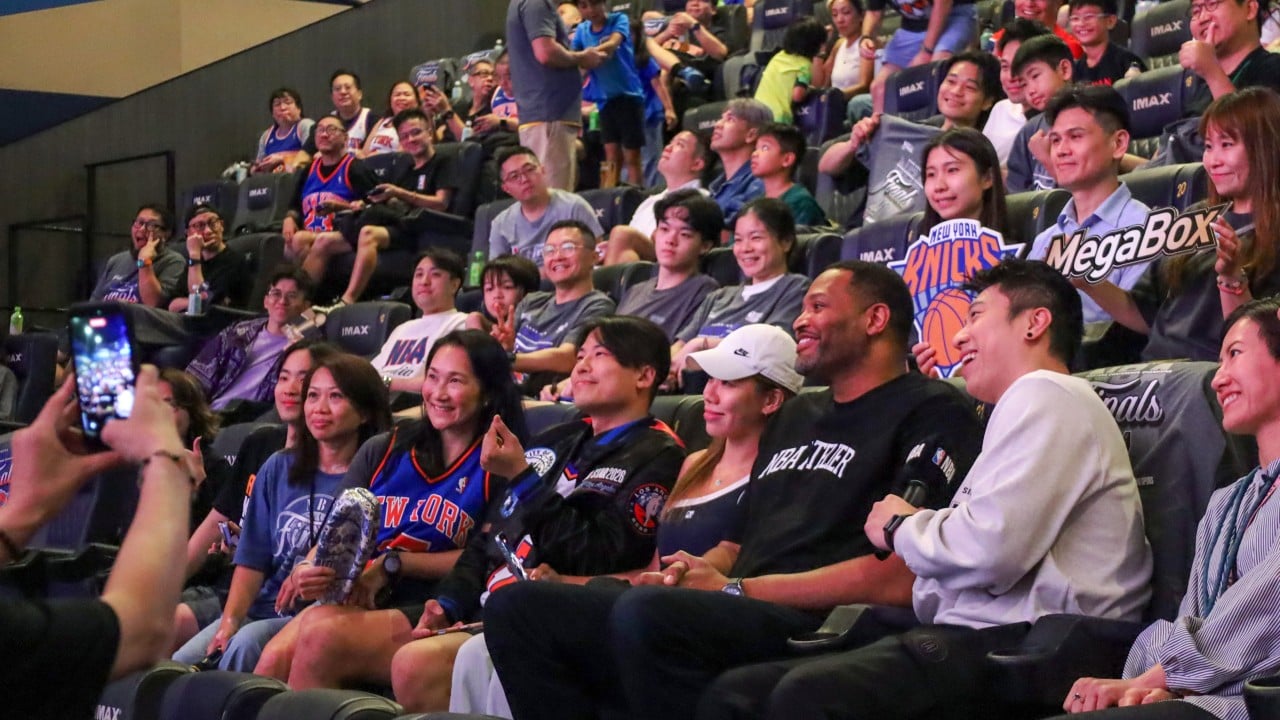
- Extended Consumer Retention: Instead of returning home immediately after the football match, a high percentage of stadium attendees migrated directly into local commercial establishments to consume the NBA Finals broadcast.
- Overlapping Demographics: The simultaneous demand from international football fans and a historic domestic fan base generated a sustained peak in per-capita beverage and food expenditures.
- The Victory Multiplier: Jalen Brunson’s 45-point performance for the Knicks triggered spontaneous consumer spending in public spaces, fueling secondary merchandise purchases and nighttime hospitality revenue long after the 94-90 victory was finalized.
Strategic Forecast for Tournament Hub Optimization
The operational insights from June 13 indicate that hosting municipalities cannot continue to treat concurrent international and domestic sporting events as separate operational challenges. The massive influx of foot traffic and consumer capital demands a unified management framework.
Host cities must integrate their transit ticketing platforms with localized digital fan zones to redistribute human congestion away from strained rail bottlenecks. Furthermore, commercial hospitality networks must implement dynamic staffing models that scale in alignment with cross-sport broadcast schedules rather than single-event timetables. Municipalities that successfully mitigate the logistics deficit while capturing the multi-tier spending behavior demonstrated in the New York market will maximize their structural return on investment throughout the remainder of the 2026 tournament cycle.