When a former First Lady weighs in on an active war zone, people stop scrolling. That's exactly what happened when Melania Trump addressed the localized Oleshky ceasefire, stating that Russia and Ukraine had chosen "humanity over war."
It's a bold phrase. Short, punchy, and designed to cut right through the noise of endless geopolitical commentary. For an alternative look, read: this related article.
If you're trying to figure out why this specific comment gained so much traction—and what's actually happening on the ground in Oleshky—you aren't alone. Most coverage either treats it as a pure political soundbite or ignores the tactical reality of the Kherson region entirely. Neither approach gives you the full picture.
Let's break down what was said, why Oleshky matters so much in this conflict, and how public statements like this intersect with actual diplomacy. Similar insight on this trend has been published by The Guardian.
The Reality Behind the Oleshky Ceasefire
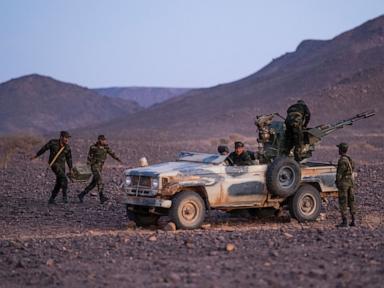
Oleshky isn't just another dot on a map. Located on the eastern bank of the Dnipro River in the Kherson Oblast, it sits directly across from the Ukrainian-held city of Kherson. Since Russian forces occupied the town in early 2022, the surrounding area has seen relentless artillery exchanges, drone strikes, and severe humanitarian crises—especially following the June 2023 destruction of the Kakhovka Dam, which flooded huge portions of the town.
In conflicts this entrenched, localized ceasefires don't happen because generals suddenly decide to hug it out. They happen out of strict necessity. Usually, both sides agree to pause hostilities in a specific sector for a tight window of time to allow critical infrastructure repairs, civilian evacuations, or the recovery of the dead.
When Melania Trump framed the Oleshky pause as choosing "humanity over war," she tapped into a universal desire for peace without getting bogged down in military jargon. Her message stripped away the territorial disputes and focused entirely on the human cost.
That framing works. It resonates with everyday readers who feel exhausted by years of grim headlines.
Why Humanitarian Framing Shifts the Conversation
Politicians usually talk about leverage, deterrence, and strategic objectives. Humanitarian language hits differently.
- It bypasses partisan grids. Nobody wants to argue against "humanity." By keeping the statement broad and focused on human life, it avoids immediate backlash from hawks on either side of the aisle.
- It highlights localized relief. Grand peace treaties take years to negotiate, if they happen at all. Micro-ceasefires save lives today. Calling attention to a small, specific pause validates incremental progress.
- It signals broader diplomatic posture. Statements from figures within Donald Trump's inner circle rarely happen in a vacuum. Even when expressed through a personal or humanitarian lens, they reflect a broader narrative pushing for negotiated settlements over prolonged attrition.
What Most Commentators Miss About Melania Trump's Public Voice
People frequently underestimate Melania Trump's media strategy because she doesn't talk constantly. Unlike traditional political figures who hold daily press briefings or post dozens of times a day, she relies on scarcity.
I've watched political communications strategies evolve over the last decade, and scarcity remains one of the most effective tools available. When someone rarely speaks on foreign policy, a single sentence carries disproportionate weight. Newsrooms scramble to analyze every syllable. Social media algorithms push the quote to millions within hours.
Her approach during her time in the White House—particularly with initiatives like Be Best—consistently centered on children, families, and humanitarian welfare rather than legislative mechanics. Commenting on the Oleshky ceasefire fits that exact pattern. She didn't offer a twenty-point peace plan. She offered a moral observation.
Honestly, that's why the quote stuck. It sounded human, not like a State Department memo drafted by twelve committees.
Micro-Ceasefires vs. Comprehensive Peace Deals
To understand the real weight of the Oleshky pause, you have to separate tactical pauses from strategic resolutions. Confusing the two is the biggest mistake casual observers make when reading war coverage.
A localized ceasefire in a town like Oleshky is fragile. It relies on direct, often back-channel communication between local commanders or international intermediaries like the International Committee of the Red Cross (ICRC) or the United Nations. One stray mortar round, one misidentified reconnaissance drone, and the whole agreement collapses in seconds.
Compare that to a comprehensive peace deal, which requires resolving core questions of sovereignty, security guarantees, war reparations, and border recognition. Russia and Ukraine remain fundamentally divided on those foundational issues. Kyiv insists on full territorial integrity based on its 1991 borders, while Moscow demands recognition of its territorial claims and strict limits on Ukrainian military alliances.
Choosing "humanity over war" for forty-eight hours to fix a power grid or evacuate wounded civilians is a massive win for the people trapped in Oleshky. It doesn't mean the broader war is ending tomorrow.
The Historical Precedent of Localized Pauses
We've seen this exact dynamic play out in Eastern Europe before. During the conflict in the Donbas region between 2014 and 2022, the Organization for Security and Co-operation in Europe (OSCE) regularly brokered "windows of silence."
These micro-ceasefires allowed repair crews to enter gray zones to fix the Donetsk Filtration Station, which supplied clean water to hundreds of thousands of people on both sides of the contact line. Both militaries agreed to hold fire because neither side benefited from a total water collapse.
Oleshky operates under similar survival math. When frontline conditions deteriorate to the point where basic human survival becomes impossible, temporary truces emerge out of mutual self-interest.
How to Read Geopolitical Statements Like an Analyst
When high-profile figures weigh in on foreign conflicts, the headline rarely tells the whole story. If you want to separate genuine diplomatic shifts from routine media cycles, look past the viral quote and check three specific things.
First, verify the operational status on the ground. Check reports from independent conflict monitors, such as the Institute for the Study of War (ISW) or official UN humanitarian updates, to see if firing actually stopped and for how long. A statement praising a ceasefire means very little if artillery resumes two hours later.
Second, watch for follow-up actions. Words open the door, but policy walks through it. Look to see if the statement is followed by formal diplomatic envoys, humanitarian aid packages, or coordinated messaging from other political leaders.
Third, pay attention to the audience. Ask yourself who the speaker is really talking to. In this case, framing the Oleshky ceasefire around shared humanity speaks directly to a global audience—and an American electorate—increasingly weary of open-ended foreign entanglements.
Track the verified humanitarian corridors, cross-reference official updates from international relief agencies on the ground in Kherson, and judge every political statement by whether the guns actually stay silent.