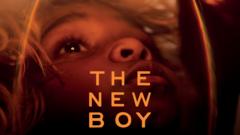
Some films demand your full attention within the first five minutes. Warwick Thornton's powerful Australian drama set in a remote 1940s orphanage and monastery does exactly that. You aren't getting a polished, comfortable period piece here. Instead, you get a raw confrontation between institutional religion and Indigenous spirituality.
If you are tired of predictable cinematic formulas, this film breaks the mold. Let's look at why this specific piece of storytelling sticks with you long after the credits roll.
The Premise That Changes Everything
Picture the Australian outback during World War II. Dust settles over a crumbling, isolated monastery operating as a makeshift home for Aboriginal orphans. Run by Sister Eileen, played with weary intensity by Cate Blanchett, the institution represents a dying world.
Then, a nine-year-old Indigenous boy arrives in the dead of night. He carries no luggage, speaks very few words, and possesses an unexplainable, almost mystical aura. His presence upends the fragile daily routine of the remaining nuns and children.
Thornton draws heavily from his own childhood memories. He spent years inside a monastic city in Western Australia. That lived experience bleeds into every frame. You feel the isolation, the heavy heat, and the quiet desperation of the characters.
Beyond the Usual Tropes
Many historical dramas lean heavily on exposition to spoon-feed the audience context. This movie refuses to do that. It relies on silence, shadows, and striking imagery.
A lesser film would turn into a straightforward cautionary tale about abuse or institutional cruelty. Thornton avoids this trap. The conflict is internal and spiritual rather than purely physical.
- The clash of icons: The boy encounters a statue of Christ. Having never seen Christianity before, he views it through his own cultural lens.
- The fading authority: Sister Eileen is losing her faith. Her authority crumbles not through rebellion, but through quiet exhaustion.
- The power of silence: Long stretches of the runtime pass without dialogue. The outback soundtrack does the heavy lifting.
Critics sometimes miss the subtlety here. They look for loud plot twists. This story operates on a frequency of quiet devastation.
Why the 1940s Setting Matters
Setting a story in 1940s Australia is a deliberate choice. The nation was consumed by global conflict while simultaneously waging an internal war against its own Indigenous populations through forced assimilation policies.
The remote orphanage acts as a microcosm of this cultural collision. You have European dogma trying to overwrite ancient traditions. The film doesn't offer easy resolutions or neat happy endings. It asks a brutal question: Can two entirely opposing spiritual worlds ever truly reconcile?
Most viewers walk away realizing the answer is no. But watching the characters try to find common ground creates riveting cinema.
What You Should Take Away From It
If you haven't watched this masterpiece yet, stop reading reviews and just put it on. Turn off your phone. Let the pacing wash over you. It challenges how you view historical cinema and forces you to sit with uncomfortable truths about colonial history.
Seek out director interviews after the watch. Understanding the autobiographical roots changes how you view the child's performance entirely. Pay close attention to the cinematography, which frames the Australian landscape as both a sanctuary and a prison.