Readiness to strike within ninety-six hours measures theater posture, not strategic coercion or war termination. Reports that United States forces can launch major operations against Iran within four days of a presidential order treat pre-positioned hardware and standing contingency plans as proof of imminent escalation. In reality, a ninety-six-hour clock reflects how Central Command stages aircraft, munitions, and strike packages once forces are already arrayed in theater, whereas the actual decision to expand a protracted conflict into broader infrastructure and nuclear targets depends on domestic political calendars, naval blockade dynamics, and retaliatory cost exchange.
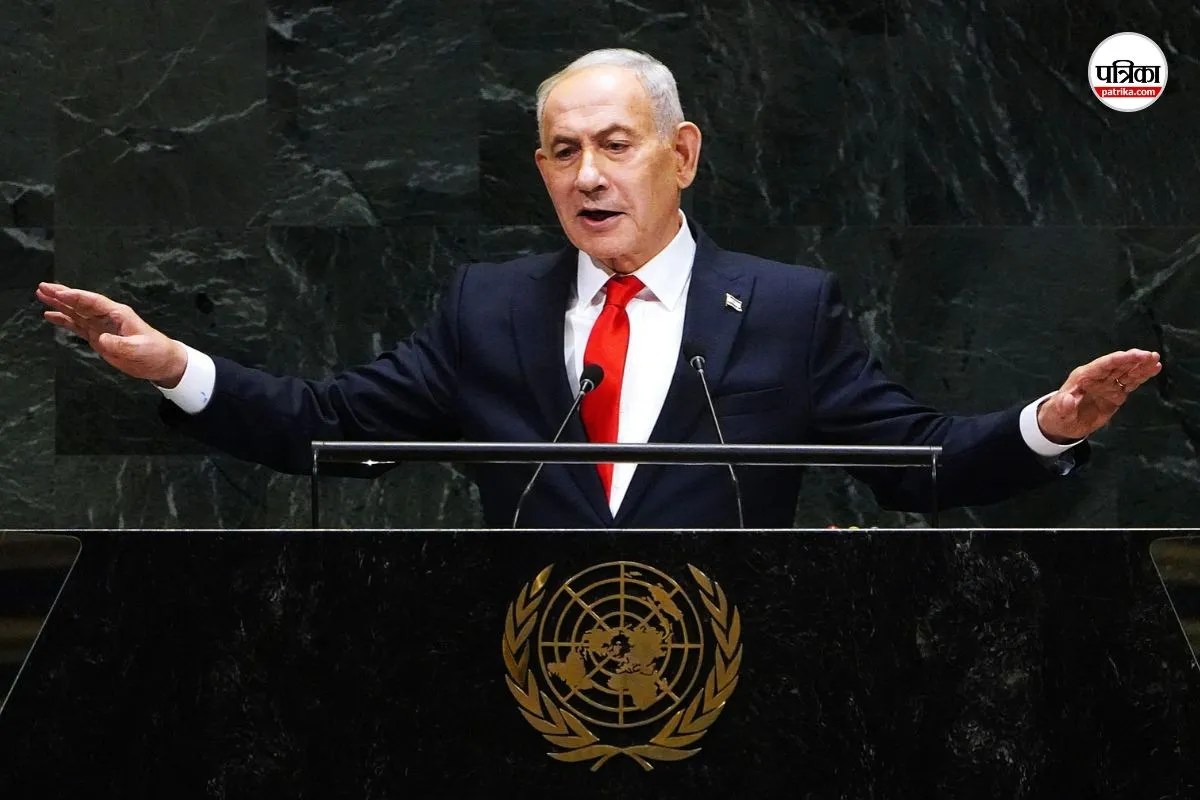
Sensationalist headlines like "डोनाल्ड ट्रंप के आदेश के 96 घंटों के भीतर ईरान पर हमले कर सकती है अमेरिकी सेना!" compress complex military-political friction into a single countdown clock. By treating tactical execution time as a forecast of intent, this framing skips the mechanisms that turn standing military options into actual orders. Understanding the gap between capability and authorization requires separating operational readiness from political incentives, maritime pressure, and escalation spirals.
Deconstructing the Ninety-Six-Hour Claim
A ninety-six-hour execution window is a logistics and command-and-control metric rather than a political prediction. When forces are already deployed across the Middle East—including multiple carrier strike groups, air wings, missile defense batteries, and pre-approved strike options—the military has already absorbed the slow part of deployment. What remains once an order is given is target validation, final deconfliction, tanker and aerial refueling sequencing, missile defense alignment, and launch execution.
Sensational coverage often commits two analytical errors when reporting such timelines. First, it conflates option readiness with decision probability. Militaries routinely hold ready-to-execute plans across multiple escalation tiers so leaders have choices during a crisis, even when leaders delay or decline using them. Second, it treats a single window as a permanent state rather than a moving baseline shaped by force rotation, interceptor stock levels, and regional friction.
- Known fact: Reporting on U.S. military planning indicates that forces in the region have been positioned to execute major operations within ninety-six hours of an order from President Donald Trump, with contingency planning expanding beyond narrow military targets toward broader military, nuclear, and energy infrastructure.
- Known fact: The conflict that began with U.S. and Israeli strikes on February 28, 2026, has already cycled through months of combat, fragile ceasefires, maritime blockades, and retaliatory exchanges rather than ending in a quick campaign.
- Educated hypothesis: A short execution window increases the risk of rapid escalation if a localized maritime clash or base attack occurs, yet it does not by itself force the White House to authorize a wider campaign.
Three Pillars of Escalation Logic
To move past headline alarmism, evaluate any renewed strike window through three interacting pillars: the Coercive Leverage Function, the Domestic Calendar Constraint, and the Retaliatory Cost Loop. A strike becomes more likely only when incentives across these pillars align rather than because aircraft can launch within four days.
The Coercive Leverage Function
Military force in an ongoing standoff operates as an instrument of bargaining power, not a standalone solution. Washington has paired naval blockades and economic pressure with episodic strikes and heavy naval deployments in the Persian Gulf, Arabian Sea, and adjacent waters to squeeze Tehran's revenue and force concessions. Meanwhile, reports of broader target sets—including energy sites, bridges, power plants, leadership, and hardened nuclear facilities—reflect an effort to raise the structural cost on Tehran if maritime pressure alone fails to yield an agreement.
The core causal trap is diminishing marginal shock. Once two sides have already traded strikes, weathered blockades, and absorbed infrastructure or base hits, a new wave of strikes is less likely to produce instant capitulation and more likely to trigger counter-moves aimed at raising the adversary's economic or political pain. For example, if U.S. naval interdiction restricts Iranian crude exports, Tehran faces a choice between absorbing prolonged economic contraction or attacking shipping lanes, regional bases, or energy transit points to drive up global energy prices and domestic political costs in Washington.
The Domestic Calendar Constraint
Strategic decisions in Washington are bounded by institutional calendars and domestic political tolerance. Following the November 3, 2026 midterm elections—in which Republicans faced notable losses and Democrats prepared to assume control of Congress in January 2027—the executive branch operates inside a shifting legislative environment. Even when war-powers resolutions fail to pass, prolonged foreign conflict carries domestic polling weight, budgetary strain, and congressional scrutiny.
This creates a two-sided calendar dynamic. On one side, hawks and allied officials—including Israeli leaders pressing for decisive action before Iran rebuilds weapons or nuclear capacity—argue that windows for action shrink over time. On the other side, holding off can preserve bargaining leverage or test whether blockades and sanctions extract concessions without triggering a new spike in casualties or oil prices. Public statements suggesting major decisions could wait until 2027 coexist with heavy force posture because keeping both negotiation and escalation plausible preserves room to maneuver.
The Retaliatory Cost Loop
Every offensive strike option carries a downstream defense requirement. Expanding strikes from tactical missile launchers or radars to broader military, nuclear, or energy targets increases the probability of Iranian retaliation against U.S. personnel, regional bases such as those in Bahrain or Jordan, diplomatic posts, or commercial vessels in the Strait of Hormuz, as well as potential actions by regional aligned groups. Allied governments in the Gulf also face acute exposure to spillover risks and infrastructure threats, complicating regional diplomacy and defense coordination.
This loop constrains decision-makers in three concrete ways:
- Interceptor and force depletion: Sustained high-tempo operations and missile defense intercepts consume expensive munitions and strain crew and platform readiness across theaters.
- Diplomatic precaution: Rising threat assessments prompt protective measures, such as thinning diplomatic footprints or tightening force protection, which signal serious risk even before a strike order is issued.
- Alliance friction: Divergent timelines between Washington, Jerusalem, and regional capitals mean a strike authorized for one objective can complicate mediation tracks or burden partners with retaliatory blowback.
Questions Behind the Headlines
Readers looking at reports of a ninety-six-hour strike readiness usually want to know whether an attack is guaranteed, why leaders signal delay while building up forces, and how shipping in the Gulf fits into the picture.
An attack is never automatic from readiness alone. Readiness means the Pentagon can execute once ordered; authorization requires a presidential judgment that the expected political and strategic payoff outweighs retaliation, economic disruption, and prolonged entanglement.
Apparent contradictions—such as talking about waiting until 2027 while deploying additional carriers and troops—often serve dual purposes. Deploying extra naval and air assets strengthens deterrence, increases missile defense capacity, and keeps a credible threat alive during indirect talks or blockade enforcement, while signaling patience can buy time or avoid locking in an immediate escalation before conditions are set.
The Strait of Hormuz sits at the center of this equation because it links local military moves to global energy markets. Naval blockades and escorted shipping aim to keep Gulf oil flowing for buyers while choking Iranian exports, making any strike on energy or coastal assets a direct test of whether maritime chokepoints can be kept open under fire.
Operationalizing the Analysis
Analysts, risk managers, and operators tracking this conflict should avoid reacting to single-day headlines or unverified threat claims. Instead, track observable indicators that separate routine posture from imminent escalation:
- Force and logistics shifts: Watch for changes in tanker and air-refueling activity, missile defense battery positioning, and diplomatic staff reductions rather than relying solely on anonymous readiness figures.
- Maritime incident cadence: Track attacks on commercial tankers, naval interdictions, and retaliatory strikes on regional bases, which often precede tit-for-tat escalations.
- Target scope language: Distinguish between limited strikes on launchers or coastal sites and rhetoric targeting nuclear facilities, energy infrastructure, or leadership, which signals a higher escalation tier.
- Mediation and alliance signals: Monitor backchannel talks via regional mediators alongside coordination with allied capitals, since diplomatic openings or joint operational alignment alter timing.
This framework has clear limits. Intelligence on covert weapons work, leadership deliberations, and split-second crisis triggers is incomplete, and leaders can reverse course faster than analysts expect. No indicator guarantees foresight during a volatile standoff.
For anyone positioning a business, supply chain, or portfolio against conflict spillover, treat ninety-six-hour readiness as a baseline risk condition rather than a countdown timer. Stress-test energy freight costs, war-risk insurance, and Middle East operational exposure against prolonged stop-start friction—alternating periods of blockade, limited clashes, and diplomatic stalling—and keep contingency hedges active until a durable settlement rather than a temporary pause takes hold.