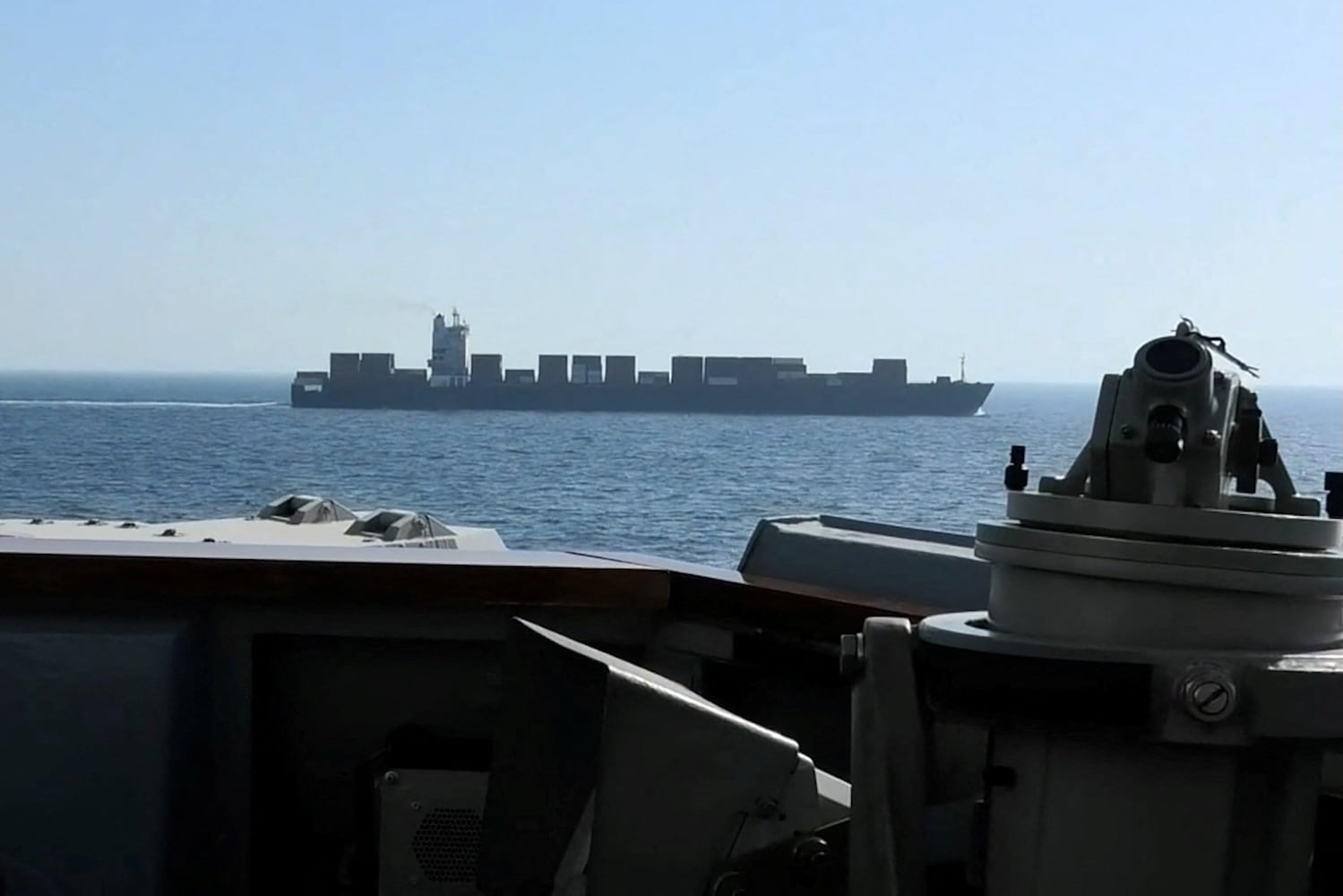
The headlines look terrifying. Oil markets are panicking, and the rhetoric coming out of both Washington and Tehran is hitting a fever pitch. If you glance at the mainstream news cycle, it seems simple. Donald Trump claimed he held direct talks with Iranian officials to stop the bombing, and hours later, Iran called him a liar and announced it was shutting down the Strait of Hormuz.
But if you believe this is just a standard war of words, you are missing the real story.
What is actually happening right now is a dangerous, high-stakes game of chicken where both sides are manipulating information to cover up their own strategic vulnerabilities. Donald Trump needs to prove his military campaign is forcing Iran to the table, while Iran needs to show it can still choke the global economy despite taking heavy hits from American bombers.
Here is what is really going down behind the scenes, why the standard narrative is wrong, and what it actually means for your wallet.
The Collision of Conflicting Narratives
The latest spark happened when President Trump announced to reporters that he spoke directly with top Iranian officials. According to Trump, the Iranians reached out and practically begged for the latest wave of U.S. airstrikes to stop.
Tehran did not take long to punch back. Iranian state media, citing senior officials, slammed Trump’s claims as completely fabricated. They counter-claimed that Trump is spinning a fake narrative about backchannel talks just to avoid a full-scale war that he cannot afford. Ebrahim Azizi, who chairs the Iranian parliament's National Security Committee, went even further, warning that any continued aggression would pull the entire region into a conflict targeting U.S. facilities globally.
So, who is lying? Honestly, probably both of them to some degree.
Trump wants to signal to voters and allies that his strategy of heavy military pressure is working. Defense Secretary Pete Hegseth basically admitted this, openly stating that the U.S. military will "negotiate with bombs" to force Iran into a compliance deal. By claiming Iran is pleading for peace, the administration justifies its aggressive posture.
Conversely, Iran cannot look weak. The regime’s survival relies on projecting defiance. Admitting to backchannel talks while American bombs are hitting Iranian infrastructure would be political suicide for Tehran’s hardliners.
The Strait of Hormuz Illusion
Immediately after denying Trump's claim, the Islamic Revolutionary Guard Corps (IRGC) dropped a hammer. They announced the absolute closure of the Strait of Hormuz to all traffic, explicitly targeting oil tankers and commercial ships.
But can they actually close it?
Within hours of Iran’s declaration, U.S. Central Command (CENTCOM) issued a blunt denial. CENTCOM stated that commercial vessels were still transiting the strait and that Iran's claims of a total lockdown were false.
This brings us to the bizarre reality of the current conflict. Trump revealed that the U.S. has been running a clandestine military operation to smuggle oil out of the Gulf. According to Trump, U.S. forces have been guiding tankers through the strait in the dead of night, utilizing paths that Iranian radar—which was heavily damaged in recent airstrikes—cannot track. Trump claimed this secret mission has successfully moved over 100 million barrels of oil onto the open market.
Strait of Hormuz Transit Reality:
- Iran's Claim: Total closure to all commercial and oil traffic. Violators will be targeted.
- U.S. Claim: The strait remains functional; 200+ ships protected via covert night transits.
- Market Reality: Traffic has slowed drastically, and insurance costs have skyrocketed.
Iran claims the channel is sealed. The U.S. claims it controls the waters. The truth sits somewhere in the messy middle. Iran can still fire missiles and launch drones at passing ships, as seen by recent strikes on commercial vessels off the coast of Oman. However, they no longer possess the total operational radar capacity to completely halt the U.S.-protected transit system.
The Economic Fallout You Can't Ignore
While Washington and Tehran trade insults, ordinary people are paying the price. The Strait of Hormuz is the world's most critical energy chokepoint. Roughly one-fifth of global oil consumption passes through this narrow strip of water.
Because of the constant threat of missile strikes and the current political instability, container shipping costs from Asia to the U.S. have nearly doubled since this conflict ignited. Insurance premiums for maritime shipping have gone through the roof.
When asked if this massive wave of inflation would damage political prospects back home, Trump offered a characteristically blunt response, telling reporters, "I love the inflation." His logic? He views the conflict as a temporary detour for long-term national security, promising that once a final agreement is forced upon Tehran, oil prices will "come down like a rock."
But market analysts are not convinced. Even if a peace agreement is signed tomorrow, the logistical disruptions, damaged infrastructure, and altered shipping routes mean consumer prices for fuel, goods, and fertilizer will remain elevated well into next year.
What Happens Next
Forget the public posturing. If you want to know where this crisis is actually heading, watch these specific indicators instead of the nightly news:
- The Qatari Mediation Team: Diplomatic delegations from Qatar are currently on the ground in Tehran. They are trying to find a face-saving exit strategy for both sides. If these talks collapse completely, expect another massive wave of U.S. airstrikes hitting Iranian energy installations.
- The Lebanese Dynamic: Iran has made it clear that any maritime agreement must include a ceasefire in Lebanon involving Hezbollah. Watch the northern border of Israel; if hostilities soften there, a maritime deal in the Gulf is likely being finalized under the table.
- Radar Repair and Resupply: Watch for signs of China or Russia attempting to resupply Iran with advanced air defense components. If Iran restores its radar capabilities, the U.S. night-transit operations will become significantly more dangerous.
Don't panic over the immediate threats of global economic collapse, but don't buy into the narrative that a peace deal is just around the corner either. Expect shipping costs to remain high, expect more fiery rhetoric from the White House, and keep an eye on the backchannel negotiators in Qatar. They are the ones who will actually determine when the shipping lanes open back up for good.


