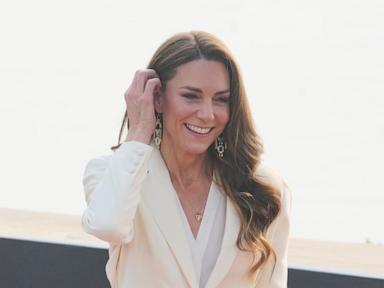
When Kensington Palace bypassed the traditional press pack to release a documentary-style video detailing Princess Catherine’s recovery from cancer, the institution did not merely share a health update; it permanently dismantled a century-old royal communications model. By trading scripted press releases and stiff balcony waves for curated, cinematic storytelling, Catherine transformed a deeply private medical ordeal into a masterclass in modern narrative control. The move settled swirling internet conspiracies, bypassed tabloid gatekeepers, and redefined how the British monarchy survives an era of relentless digital scrutiny.
For decades, the unspoken contract between the House of Windsor and the British press—known colloquially as the Royal Rota—operated on a simple quid pro quo. The palace granted select newspapers and broadcasters privileged access to tours, christenings, and hospital steps. In exchange, the press largely respected boundaries around private medical matters and off-duty family life. That system died on the operating table of social media.
The Collapse of the Traditional Palace Briefing
To understand why Catherine’s documentary approach became necessary, you have to look at the vacuum that preceded it. Following her abdominal surgery in January 2024, Kensington Palace attempted to apply twentieth-century containment strategies to a twenty-first-century information ecosystem. They issued a brief, clinical statement asking for privacy until Easter. They expected the press and the public to wait patiently.
Instead, the silence acted like oxygen on a grease fire.
Without regular visual proof of life, fringe theories migrated from obscure forums to mainstream dinner tables. When the palace released an edited Mother's Day photograph in March 2024 to quell the noise, international wire services issued a rare "kill notice," citing manipulation. The credibility of the palace press office hit a historic low. The old machinery of crisis management—quiet briefings to favored royal correspondents and stiff-upper-lip denials—had failed completely.
Catherine’s subsequent video announcements, culminating in a deeply personal, three-minute short film marking the end of her chemotherapy, represented a total strategic pivot. Rather than feeding scraps to the tabloid press, Kensington Palace became its own production studio.
The Mechanics of Direct-to-Public Storytelling
Look closely at the production choices in Catherine’s post-treatment film, shot in the woodlands of Norfolk by filmmaker Will Warr. Nothing in those frames happened by accident. Every visual cue was engineered to accomplish what ten thousand words of palace press releases could not.
- The Aesthetic Shift: Traditional royal footage relies on formal, static camera work—podiums, red carpets, and manicured palace lawns. Catherine’s film utilized warm, handheld, golden-hour cinematography. It looked less like a state broadcast and more like an independent Sundance feature or a high-end wellness campaign.
- The Vulnerability Dividend: By showing Catherine leaning her head on Prince William’s shoulder, laughing on a picnic blanket with George, Charlotte, and Louis, and driving an older model Land Rover, the footage stripped away the untouchable mystique of the Crown. It replaced regal distance with relatable domesticity.
- Control of the Edit: When a television network interviews a royal, the broadcaster owns the raw footage, chooses the soundbites, and frames the narrative. When the palace commissions the director and releases the finished cut directly to Instagram and YouTube, they retain absolute editorial sovereignty. The broadcasters are reduced to rebroadcasting the palace’s exact message, frame for frame.
This strategy neutralized the hostility of the press corps overnight. Journalists who had spent months demanding transparency could hardly attack a mother recovering from chemotherapy while she played cards with her children in the woods. The emotional resonance of the imagery made cynicism look cruel.
The Medical Reality Behind the Soft Focus
While the cinematography projected serenity, the medical subtext of Catherine’s reflections carried immense weight for public health discourse. Cancer recovery is rarely a clean, linear victory, and the palace was careful not to frame her transition as a triumphant cure.
In her voiceover, Catherine spoke candidly about the physical and psychological toll of preventative chemotherapy—a medical protocol designed to eliminate microscopic cancer cells that scans cannot detect after surgery. Oncologists frequently note that the end of active treatment is often the hardest phase for patients. The structured routine of hospital visits disappears, replaced by the lingering anxiety of recurrence and the slow, frustrating work of rebuilding physical stamina.
By articulating that her focus was now simply "doing what I can to stay cancer-free," Catherine avoided the toxic positivity that often plagues celebrity health narratives. She acknowledged that recovery takes months, not days, and that a return to public duties would be gradual and unpredictable.
The Impact on Public Screening Rates
The public health ripple effects of her candor were immediate and measurable. Following her initial diagnosis announcement and subsequent updates, Cancer Research UK and the National Health Service (NHS) reported massive spikes in traffic to their informational pages regarding cancer symptoms and preventative screenings.
This phenomenon, often referred to by epidemiologists as the celebrity health effect, carries both immense benefits and subtle risks. On one hand, high-profile visibility strips away the stigma surrounding severe illness, prompting thousands of people to book overdue doctor appointments. On the other hand, royal healthcare exists in a parallel universe to the standard public experience.
While Catherine received immediate diagnostics, top-tier surgical intervention at The London Clinic, and months of uninterrupted recuperation at an estate in Norfolk, millions of British citizens face record-breaking NHS waiting lists for routine oncology referrals. The palace navigated this disparity wisely by avoiding complaints and keeping Catherine's focus strictly on universal human emotions—fear, gratitude, and family—rather than the logistics of her care.
The Double-Edged Sword of Radical Intimacy
Industry analysts and royal historians have largely hailed Catherine’s documentary pivot as a stroke of communications genius. Yet, stripping away the institutional armor of the monarchy introduces long-term vulnerabilities that the palace will eventually have to confront.
For generations, Queen Elizabeth II maintained the mystique of the Crown through rigorous emotional restraint. Her famous mantra—never complain, never explain—ensured that the institution remained larger than the individuals inhabiting it. When the public knows very little about your inner emotional life, they project their own ideals onto you.
Catherine’s new playbook trades that protective distance for parasocial intimacy. By inviting the world into the woods with her children and sharing her philosophical reflections on love and resilience, she has set a new baseline expectation for public access.
Consider the precedent this establishes. If a deeply personal film is the required currency to buy privacy during a medical crisis, what will the public demand during future royal milestones, disagreements, or controversies? Once you open the door to the family living room, closing it again looks like secrecy.
Furthermore, this hyper-curated style of content creation invites intense forensic scrutiny. Audiences accustomed to polished commercial cinema are quick to spot artifice. While the Norfolk film landed with overwhelming warmth, a future video that feels overly staged or tone-deaf could trigger the exact same backlash that plagued the edited Mother's Day photograph. Authenticity, once weaponized as a public relations tool, becomes extraordinarily difficult to sustain over decades.
How the Modern Monarchy Survives the Algorithm
What we are witnessing at Kensington Palace is the professionalization of the royal influencer model. The institution has realized that legacy media no longer holds a monopoly on public opinion. A front-page headline in a London tabloid might reach a few hundred thousand readers; a well-crafted three-minute video posted directly to social channels reaches tens of millions globally within hours, completely unfiltered.
Prince William and Princess Catherine are systematically preparing the Crown for a post-broadcast future. They are building an internal media apparatus capable of competing directly with streaming platforms and digital creators for human attention.
In this new ecosystem, traditional royal engagements—cutting ribbons at community centers, unveiling plaques, and shaking hands in the rain—carry diminishing returns. They generate local goodwill, certainly, but they rarely move the needle on a global scale. High-production documentary storytelling, however, creates cultural moments. It allows the monarchy to project soft power, empathy, and relevance across generational divides without relying on the goodwill of newspaper editors.
Catherine’s health crisis forced an acceleration of this strategy. Confronting a life-altering diagnosis stripped away the luxury of outdated protocols and forced the future Queen to communicate on her own terms. She turned a moment of profound vulnerability into an assertion of authority, proving that in the modern attention economy, the person holding the camera controls the crown.