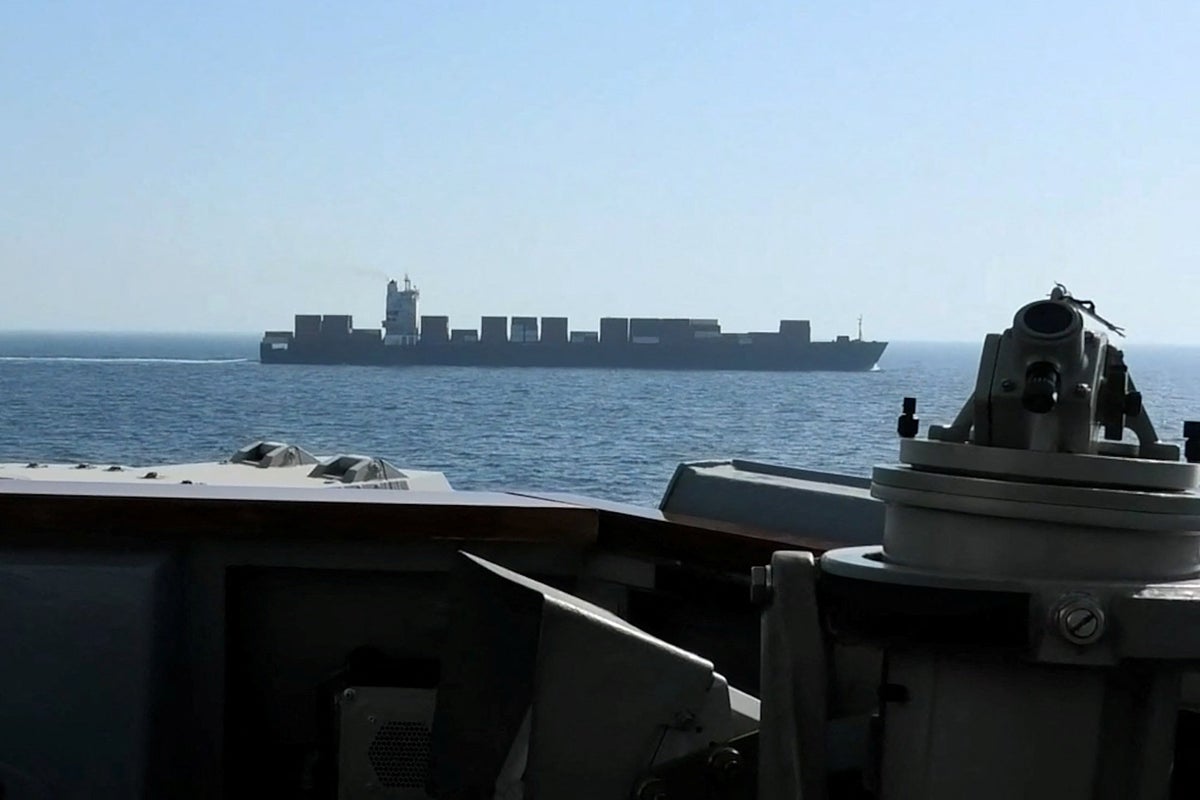
The fragile ceasefire between the United States and Iran is disintegrating before the first diplomat has even checked into an Islamabad hotel. While Pakistan scrambles to preserve the Tuesday summit, the reality on the water has already rendered the negotiations obsolete. A weekend of high-stakes kinetic action in the Strait of Hormuz, including the U.S. seizure of the Iranian-flagged cargo vessel Touska, has effectively replaced the diplomatic table with a boarding plank.
Tehran’s refusal to commit to the talks on Monday morning was not a mere scheduling conflict. It was a calculated response to what Iran views as a "piracy-first" policy from Washington. The core of the crisis isn't just the flares and the missiles; it is a fundamental disagreement over what a "ceasefire" even looks like in a modern blockade.
The Blockade Trap
Washington claims the seizure of the Touska was a routine enforcement of its blockade against Iranian ports. Tehran sees it as an act of war committed during a period of supposed calm. This disconnect is the primary reason the Islamabad talks are likely dead on arrival.
For President Donald Trump, the logic is transactional. By strangling Iran’s ability to export what remains of its oil and import essential goods, he believes he is creating the necessary leverage to force a "better deal." This deal would reportedly require Iran to drop enrichment to 1.5% and permanently relinquish its grip on the Strait. But this strategy ignores the internal mechanics of the Iranian regime.
Following the assassination of Ali Khamenei on February 28 and the subsequent strikes on nuclear facilities, the Iranian leadership is not in a mood for compromise. The new power structure, currently represented by figures like Mohammad Reza Aref and influenced heavily by a hardened IRGC, views the Strait of Hormuz as their only remaining shield. They have watched their regional proxies in Lebanon and Syria wither under Israeli pressure. If they lose control of the waterway, they lose their last bit of relevance on the global stage.
Blood and Oil in the Choke Point
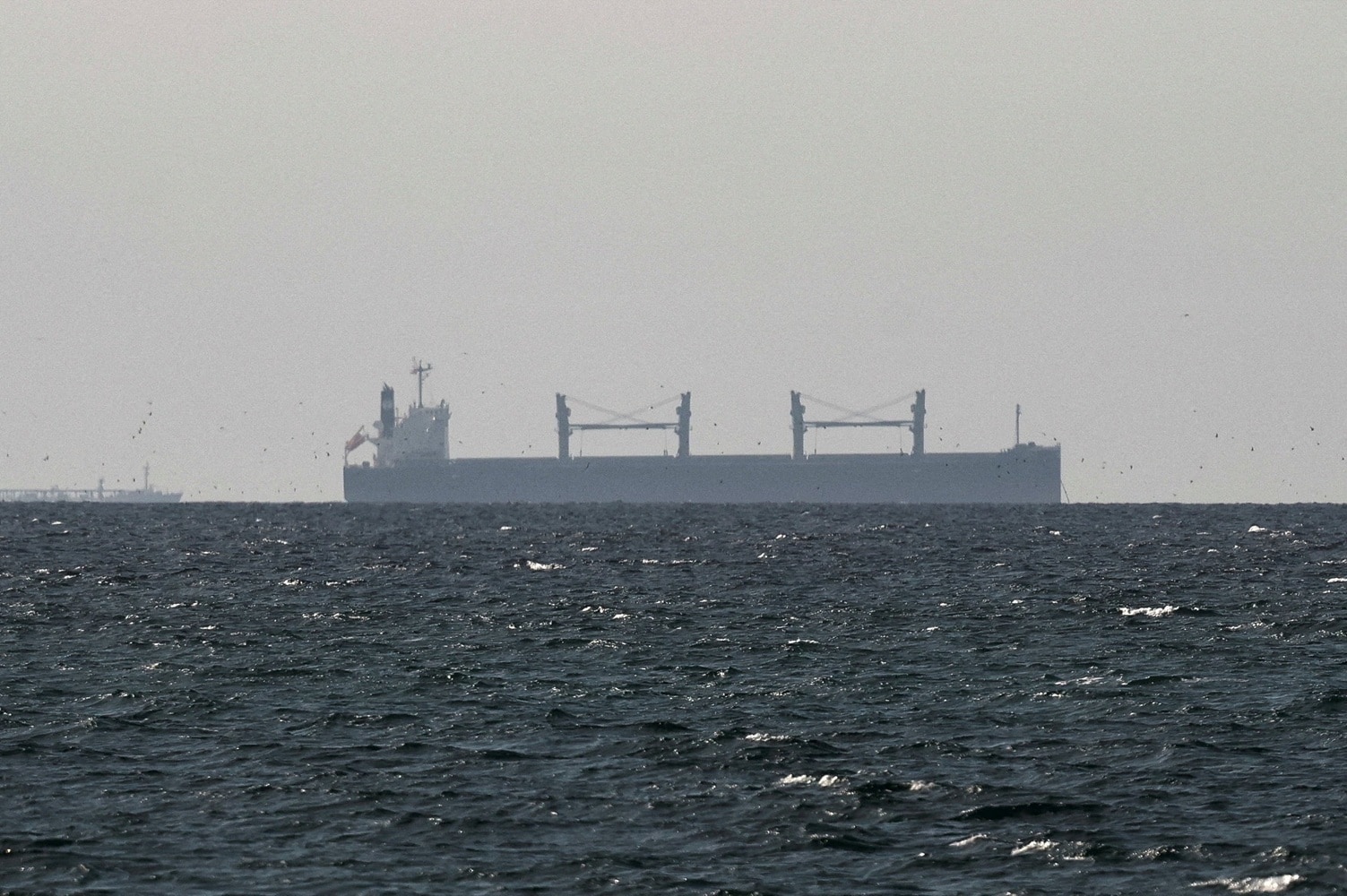
The statistics since the war began on February 28 are staggering. Only 279 ships have transited the strait through mid-April, a fraction of the usual 100-per-day average. The IRGC has transitioned from simple harassment to a doctrine of total denial.
- 22 merchant vessels have been confirmed attacked.
- 7 ships have been completely abandoned by their crews.
- Oil prices have spiked over 7% in the last 48 hours alone.
This isn't just a military standoff; it's an economic strangulation of the West that Iran is willing to endure if it means taking the global markets down with them. Iranian Vice President Mohammad Reza Aref made the regime's position clear on social media: the choice is a free market for all or "significant costs for everyone."
The U.S. Navy’s decision to move from defensive escorting to active "capture and seize" operations marks a shift in the Rules of Engagement. By taking the Touska, the U.S. proved it can and will board Iranian sovereign hulls. Iran responded by firing on any vessel attempting to transit the channel over the weekend, effectively reinstating the blockade they had briefly relaxed under the April 8 ceasefire.
The Pakistan Delusion
Pakistan's Interior Minister Mohsin Naqvi is attempting to play the role of the honest broker, but he is working with two parties that no longer speak the same language. The U.S. delegation, led by Howard Witkoff, is arriving with a "maximum pressure" mandate. Meanwhile, Iranian spokesperson Esmaeil Baghaei is telling the press in Tehran that no decision has been made to even attend.
The gap is too wide for any mediator to bridge.
- Washington's Demand: Immediate and permanent reopening of the Strait to all international traffic and a total halt to 60% enrichment.
- Tehran's Demand: Lifting of all port blockades, reparations for the February strikes, and recognition of their "maritime sovereignty" over the narrow Larak-Hormuz transit route.
There is no middle ground when one side treats a blockade as a negotiation tool and the other treats it as an existential threat. The U.S. believe they have the upper hand because they have the bigger fleet. Iran believes they have the upper hand because they are willing to let the world's energy supply burn to prove a point.
Why Diplomacy is Stalling
The "why" behind this failure is simple: the U.S. is trying to negotiate a surrender, while Iran is trying to negotiate a survival.
Every time a U.S. destroyer fires on an Iranian-linked tanker, it reinforces the IRGC’s narrative that the West cannot be trusted to honor a truce. Conversely, every time an Iranian sea drone strikes a neutral bulk carrier, it hardens the resolve in Washington to "finish the job" that began in February.
The ceasefire was supposed to expire midweek anyway. By accelerating the violence in the Strait over the weekend, both sides have essentially signaled that they prefer the clarity of combat to the ambiguity of the Islamabad summit. The markets have already priced in the failure of these talks. Traders are no longer looking at the diplomatic cables; they are looking at the satellite feeds of the Persian Gulf, watching for the next plume of smoke.
The tragedy of the current situation is that the tools of diplomacy—back-channels, neutral mediators, and phased de-escalation—require a baseline of mutual benefit. In April 2026, there is no mutual benefit. There is only the zero-sum game of who can hold their breath longer as the global economy chokes.
The Islamabad talks aren't just in doubt. They are a ghost of a geopolitical era that ended the moment the first Tomahawk hit Tehran in February.