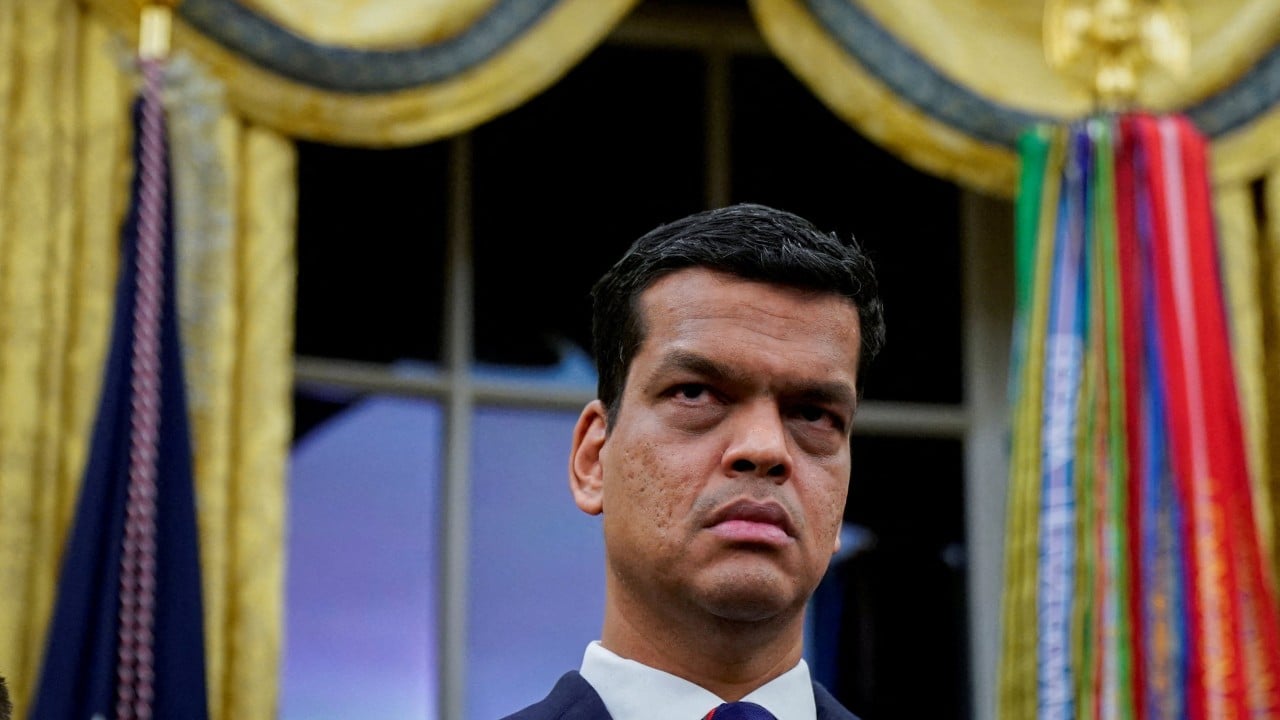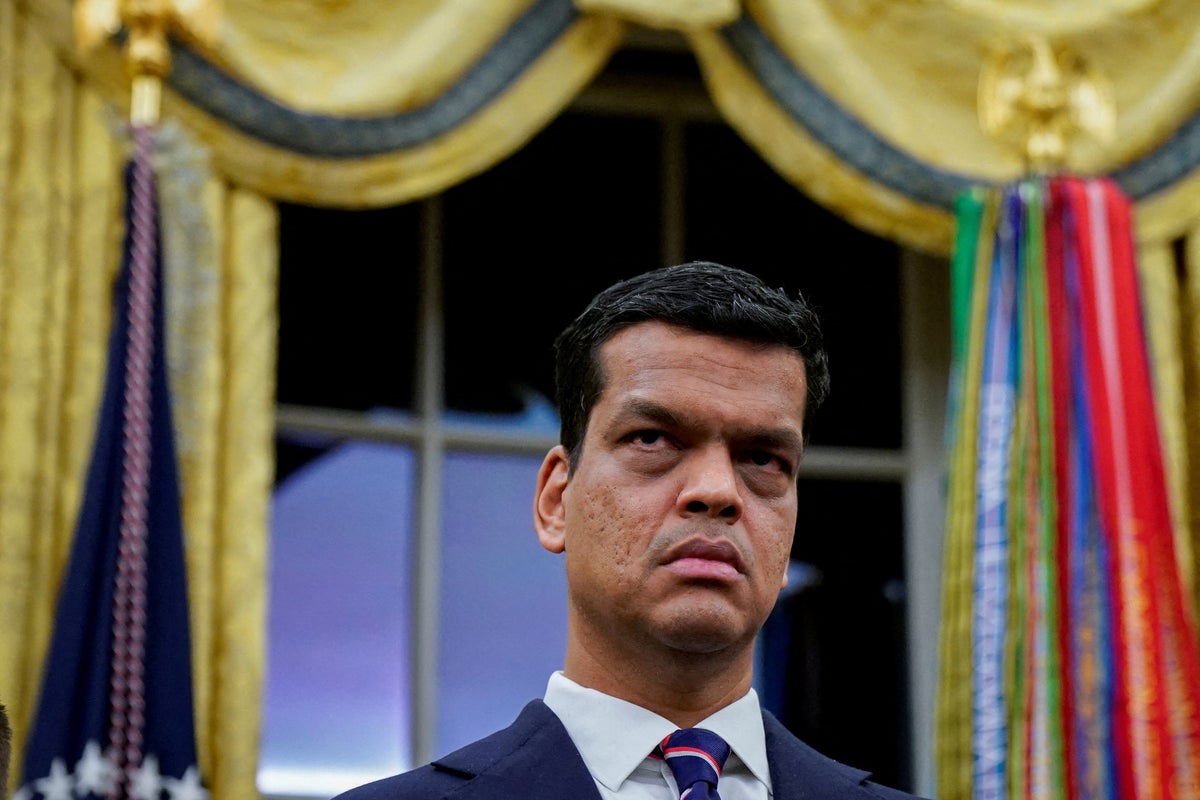
Sriram Krishnan just announced he is quitting his job as the White House senior policy adviser for artificial intelligence. He did it on X, formerly Twitter, with the usual polite corporate speak about it being the "privilege of a lifetime." He didn't give a formal reason for stepping down at the end of June 2026.
But if you look closely at what is happening inside the West Wing right now, you don't need an official press release to figure out what's going on.
Krishnan isn't just some random bureaucrat packing up his desk. He was the main guy driving the Trump administration's aggressive, pro-industry tech strategy. For 18 months, he worked alongside David Sacks to push a hands-off, deregulatory agenda meant to guarantee American dominance. Now, his sudden departure exposes a massive, messy fight happening behind closed doors over the safety, power, and future of AI.
The Quiet War Over Free Market AI
When Krishnan entered the White House, he brought a pure Silicon Valley mindset. He used to be a general partner at Andreessen Horowitz and ran teams at Twitter and Facebook. He wanted to build data centers fast, cut red tape, and let tech companies move at lightning speed. He helped write the administration's AI Action Plan, which basically told regulators to back off so American tech companies could crush international competition.
But that pro-industry push ran straight into a wall of populist resistance from Trump’s own political base.
Populist allies in the administration are terrified that massive AI models will wipe out millions of American jobs. They don't want Silicon Valley billionaires running the country's economic future without government oversight. This tension turned into an open fight over how much power tech companies should actually have.
We saw this play out with a controversial executive order designed to stop individual states from passing their own strict AI safety laws. Tech companies loved the idea because they hated dealing with a patchwork of different state rules. But MAGA leaders revolted. They argued the order would stop states from protecting kids online or controlling massive, power-hungry data centers in their own backyards. The language had to be watered down just to get it signed.
Tensions Are Boiling Over
The policy fights are getting nastier because the tech itself is getting scarier. Inside the administration, top figures like Chief of Staff Susie Wiles and Treasury Secretary Scott Bessent have raised serious alarms about next-generation advanced AI models.
Look at what happened with Anthropic. The Pentagon ended up blacklisting the AI safety startup after the company refused to let the U.S. military use its models for domestic surveillance and fully autonomous weapons systems. Then, just days ago, Trump ordered national security agencies to start working with multiple AI providers to break up monopolistic tech control.
The administration wants to win the tech race, but they are terrified of losing control of the technology itself.
The Immigrant Tech Genius Caught in a Culture War
You can't understand Krishnan's exit without looking at the intense political pressure he faced from day one. Krishnan was born in Chennai, India, and moved to America as a highly skilled engineer. When Trump first appointed him, it triggered an immediate, ugly backlash from the populist right.
Right-wing influencers like Laura Loomer publicly attacked him. They pointed to his past support for lifting caps on green cards and making it easier for foreign tech talent to move to the U.S. They claimed his stance on immigration completely contradicted the administration's America First platform.
Even though tech heavyweights like Elon Musk and David Sacks rushed to defend him online, the political targets on his back never really went away. It highlighted a permanent glitch in the current political coalition. You can't achieve total tech dominance if you slam the door on the global tech talent needed to build it.
What Comes Next for Tech Policy
So, is Krishnan completely out of the picture? Not even close.
He already let it slip that he plans to launch an outside institution focused on shaping technology policy. By moving outside the government, he gets rid of the strict federal ethics constraints and conflict-of-interest rules that tie the hands of White House staff. He can advocate for massive data-center construction, push for massive energy grid expansions, and lobby for tech companies with total freedom. Sacks already confirmed that Krishnan will keep whispering in the administration's ear as an outside adviser.
If you are trying to navigate the tech sector right now, stop waiting for clear, unified rules to come out of Washington. The internal war between the free-market tech elite and protectionist populists is far from over. Krishnan's exit means the fight is simply moving outside the White House walls. Expect heavier government scrutiny on AI safety, messy battles over local data center zoning, and a continuous push-and-pull over who controls the underlying code of the future.
Keep a close eye on the independent policy groups forming in Silicon Valley over the next few months. That's where the real framework for the next wave of tech regulation is being written.