Every single time a tourist vanishes into the surf, the media runs the exact same comforting, cowardly script. We hear about the unpredictable power of nature. We hear about sudden undertows. We hear about the tragedy of an ocean that simply refused to behave. It is a neat, tidy narrative designed to absolve everyone involved of absolute, crushing responsibility.
It is also a lie.
The lazy consensus in every single report surrounding a missing teenager swept out to sea on a family holiday is that the environment acted upon an innocent victim. This framing treats the coastline like a sleeping predator waiting to strike. That perspective is not just lazy; it is dangerous. It shifts the focus from human error, operational failures, and a profound cultural illiteracy regarding open water to some vague cosmic misfortune.
Let us dismantle the mythology right now. The ocean does not sneak up on people. It gives clues, signatures, and physical warnings that anyone with basic aquatic literacy can spot from fifty yards away. When a family rolls up to an unfamiliar beach, drops their towels, and treats the Atlantic or the Pacific like a glorified hotel swimming pool with waves, the disaster is not an accident. It is a mathematical inevitability waiting for the right moment to execute.
The Myth Of The Rogue Wave
Ask an average vacationer what a rip current is, and you will get a blank stare or a vague hand gesture. Ask them what to do if they get caught in one, and they will tell you to panic and swim straight toward the shore against a four-knot current until their arms fail.
We have completely failed at basic public safety education because we treat water safety like a boring pamphlet you hand out at a TSA checkpoint. We treat drowning as a sudden medical event rather than the final stage of a catastrophic series of bad decisions.
I have spent two decades working alongside coastal rescue units, marine biologists, and maritime safety consultants. I have seen billions of tourism dollars poured into beachside tiki bars, luxury resorts, and souvenir shacks, while local municipalities spend pennies on adequate signage, red flag systems, or staffed lifeguard towers. Why? Because lifeguards do not drive room night bookings. A row of red warning flags tells a tourist that their expensive vacation spot is dangerous, and tourism boards hate the truth.
When a teenager gets swept out, the post-tragedy coverage always focuses on the grief—which is real, devastating, and entirely valid—while skating past the institutional failures that allowed the family to step into a death trap in the first place. Was there a flag system? Was it visible? Was anyone patrolling past five o'clock when the official guards packed up their gear and went home, leaving the water open for anyone brave or foolish enough to test it?
Reading The Water
Most people stare at the ocean and see a uniform sheet of blue or green. That is the first mistake. The water is a complex topographical map written in foam, color shifts, and wave intervals.
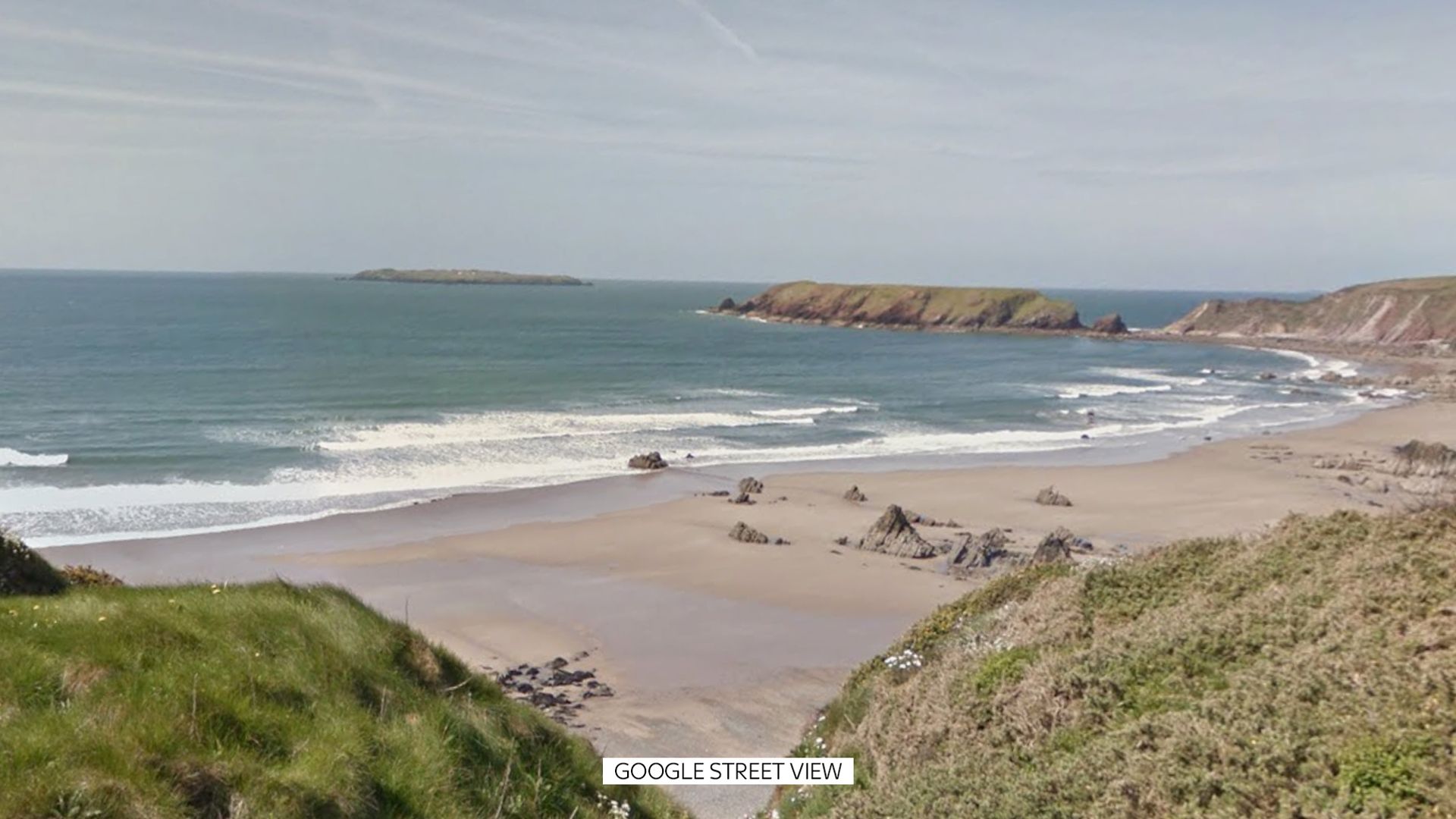
A rip current does not look like a churning vortex of death. It looks like the safest place to swim. It looks like a calm, flat lane between breaking waves where the water is darker and smoother because the outgoing channel is suppressing the incoming chop. To an untrained tourist family, that calm patch looks like an invitation. To anyone who understands marine dynamics, it is a conveyor belt dragging straight out to the drop-off.
If we want to stop writing these grim retrospectives about missing teenagers on family holidays, we have to stop treating the ocean like a temperament-driven deity and start treating it like machinery. You do not step onto a construction site without a hard hat. You do not touch live high-voltage lines just because the weather is nice. Yet families walk straight past warning signs into unpatrolled surf every single day because we have culturally conditioned ourselves to believe that vacation time suspends physical law.
The System Is Built To Fail
Local governments share a massive chunk of the blame. They want the economic upside of thousands of tourists flooding their coastal towns, but they refuse to fund the infrastructure required to keep them alive. They rely on the honor system. They put up tiny wooden signs written in English that tourists from non-English-speaking countries cannot parse. They turn a blind eye to evening swimming because patrolling the beach after hours costs overtime pay.
Imagine a scenario where municipal governments were held legally and financially accountable for drownings that occurred in unmonitored zones adjacent to major commercial resorts. Imagine if every hotel marketing department had to disclose local drowning statistics right alongside their room rates. The landscape of coastal tourism would change overnight. Towers would be manned dawn-to-dusk. Digital warning boards would flash in multiple languages. Drones would patrol the breaklines.
Instead, we accept the ritual of the search operation. We mobilize the helicopters, the jet skis, and the volunteers scouring the rocks, treating the aftermath as an unavoidable act of God. We spend millions looking for a body because we refused to spend thousands keeping a human being out of a known hazard zone.
What Actually Needs To Happen
If you are planning a family holiday near the water, throw away the guidebook assumptions. Stop trusting that because other people are wading into the surf, the water is safe. The crowd is almost always wrong.
Never swim on an unguarded beach. Period. If a municipality cannot afford to staff a lifeguard, they cannot afford your tourism. Treat the absence of rescue infrastructure as a massive, blinking red warning light.
Teach your children how to float before you teach them how to stroke. The number one killer in the water is not the current; it is the panic that sets in the exact second a swimmer realizes they are drifting away from shore. A teenager who knows how to flip onto their back, conserve energy, and ride a rip current parallel to the beach until they break out of the channel comes home for dinner. A teenager who fights the water dies exhausted in three minutes.
Stop romanticizing the sea. It does not care about your itinerary, your family photos, or your desire for a relaxing summer break. Respect its mechanics, demand better safety infrastructure from the places you visit, and stop calling these disasters accidents when they are actually the predictable outcome of profound systemic neglect.