The maritime escape hatch for trapped commercial vessels just slammed shut. If you thought the preliminary peace deal between the US and Iran meant smooth sailing for global energy markets, Thursday's drone strike near Oman should serve as a massive reality check.
The UN International Maritime Organization (IMO) threw the brakes on its newly launched ship escort program. Why? Because a Singapore-flagged cargo ship, the Ever Lovely, was struck by a projectile just hours after Tehran explicitly warned vessels not to stray from its self-approved navigation corridors.
This isn't just a minor operational hiccup. It is a direct challenge to the fragile diplomatic framework signed by US President Donald Trump just days ago. Here is what is actually happening on the water and why the global supply chain is looking incredibly vulnerable right now.
The Illusion of Safe Passage
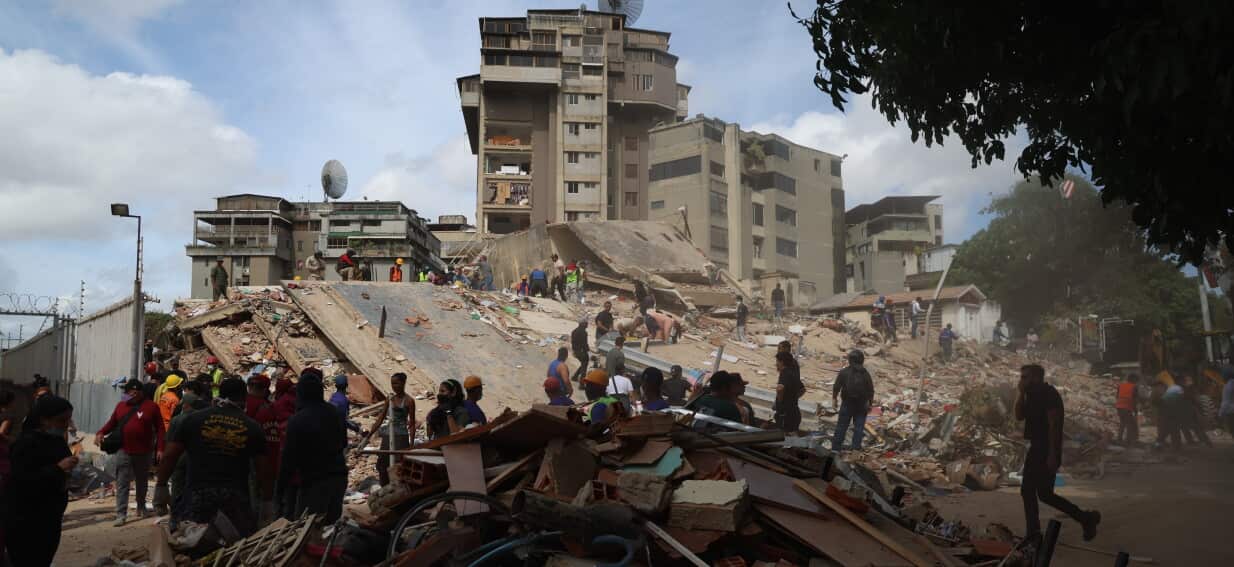
The IMO launched its voluntary evacuation initiative to rescue hundreds of commercial ships and thousands of seafarers stranded in the Persian Gulf since the outbreak of the war on February 28. The plan relied on two designated routes: one cutting through Iranian waters and another running through Omani waters with US oversight.
For a brief moment, it seemed to work. Between June 23 and June 25, 57 ships carrying around 1,100 sailors successfully made it out. Operators grew bold. Lloyd's List Intelligence noted a surge in transits as companies rushed to clear backlogs of trapped cargo. Oil prices even dipped briefly below $73 a barrel as the market prematurely celebrated a return to normalcy.
Then the Ever Lovely was hit.
"We decided to temporarily pause its implementation in order to reconfirm that the necessary safety guarantees continue to be in place," announced IMO Secretary-General Arsenio Dominguez.
While the IMO clarifies that the attacked vessel wasn't part of its official evacuation convoy, the message from the water is clear: nobody is truly safe. Two US officials have already pointed the finger directly at Iranian forces, suggesting a drone was used to execute the strike.
Tehran is Reclaiming the Chokepoint
Don't buy into the narrative that this was a rogue rogue operation. This strike happened on a precise timeline. Right before the attack, Iran's newly established Persian Gulf Strait Authority issued a blunt directive: any ship traveling outside Tehran's authorized routes would bear full responsibility for the consequences.
The Revolutionary Guards backed this up, stating they will take active measures against non-compliant vessels. Basically, Iran is using the peace transition period to institutionalize its control over a waterway that handles 20% of the world’s liquefied natural gas and oil.
The Massive Disconnect in Washington
The timing could not be worse for the White House. US Secretary of State Marco Rubio was just wrapping up a tour of the Gulf, trying to reassure nervous allies that the interim pact was solid.
Strait of Hormuz Daily Transits (2026)
Pre-War Average: 130+ ships
Peak Post-Deal Reopening: 78 ships (June 24)
Current Status: Escorts paused, risk premiums rising
Rubio openly admitted that if Iran continues to block or threaten shipping, "then we're going to have a problem." Donald Trump has also issued public warnings, threatening to resume heavy bombing campaigns if Tehran violates the 60-day memorandum of understanding. But trading threats in public doesn't protect a container ship from a low-flying drone.
What This Means for Your Supply Chain
If you are managing logistics, trading energy commodities, or trying to forecast inflation for the rest of 2026, you need to adjust your assumptions immediately.
- Expect the Risk Premium to Return: Oil prices already jumped 2% immediately following the attack. The brief dip below $73 was a mirage. Insurance underwriters are going to spike war-risk premiums for any hull entering the Gulf of Oman.
- The 60-Day Clock is Ticking: The US and Iran gave themselves 60 days to iron out a permanent deal, covering everything from the strait's administration to Iran's enriched uranium stockpiles. Expect every single day of that window to be volatile.
- Mines are Still a Factor: Remember, North of the Oman route lies the old central corridor. Iran heavily mined it following the joint US-Israel strikes earlier this year. Even if the drone attacks stop, navigating these waters remains a literal minefield.
Do not expect the UN to resume escorts until a formal maritime traffic mechanism is co-signed by both Oman and Iran. For now, the backlog of stranded cargo is going to build right back up, and the global energy market will remain completely at the mercy of Tehran's next move.