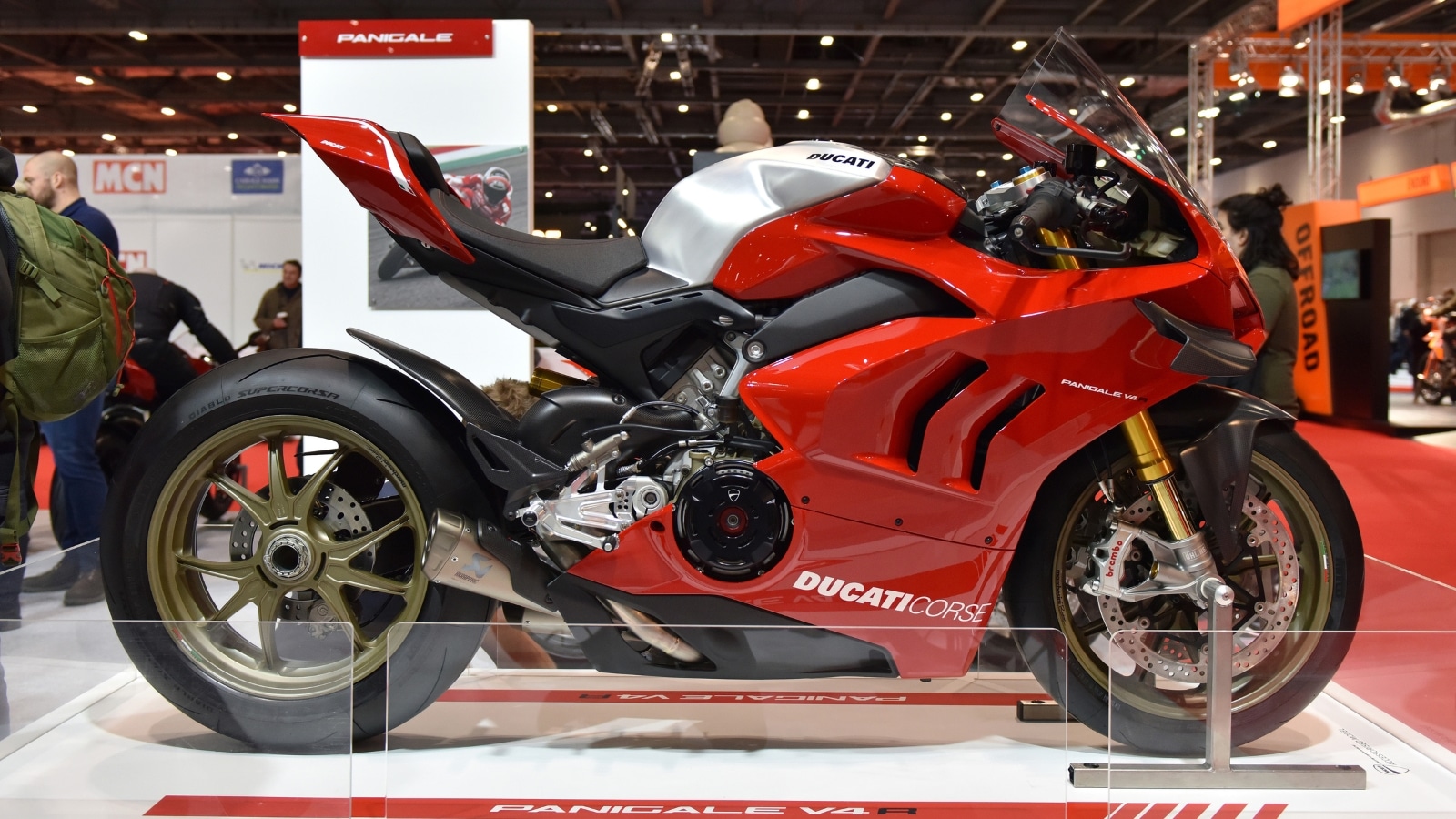
Volkswagen is cleaning house. Europe's biggest carmaker manages roughly 2,000 distinct business entities, and a massive trimming process is underway. Around 600 of those holdings are currently under evaluation. High on that chopping block sits Ducati.
Audi CEO Gernot Döllner recently confirmed that the iconic Italian motorcycle maker is part of the ongoing strategic assessment. While management insists nothing is final, the message is clear. Corporate bloat is out. Streamlining is in. Recently making waves in this space: Why Every Oil Bull Market Forecast Is Completely Full of Garbage.
The Math Behind the Ducati Review
Let's look at the numbers. Ducati sells roughly 50,000 motorcycles every year. Last year, the Bologna-based company pulled in 925 million euros in revenue. Operating profit sat at 52 million euros, translating to an operating margin of about 5.6 percent.
That sounds decent for a niche builder of superbikes like the Panigale. But it falls well short of Volkswagen CEO Oliver Blume's broader financial vision. The group wants a 9 percent return across the board by 2030. Ducati isn't pulling its weight toward that aggressive target. Further information regarding the matter are detailed by The Wall Street Journal.
Bloomberg Intelligence analysts estimate the motorcycle brand could command roughly 1.25 billion euros based on peer valuations. Selling it would inject quick cash into the parent company while instantly simplifying an overly complex corporate structure.
Old Battles and Family Sentiment
This isn't the first time the German auto giant has looked hard at unloading the Italian asset. Audi originally brought Ducati into the fold back in 2012, a deal heavily championed by the late automotive patriarch Ferdinand Piëch. Piëch loved motorcycles. He saw a natural alignment between Ducati's high-performance engineering culture and the wider Volkswagen empire.
When leadership tried to explore a sale back in 2017, the initiative crashed into a brick wall. German labor representatives and powerful internal stakeholders fought back hard, killing the plan.
Times have changed. Facing intense cost pressures, fierce EV competition, and sliding profitability in core automotive markets, sentiment matters less today. The supervisory board recently approved a restructuring plan aiming to cut group holdings by roughly one-third. Sentimental favorites are no longer safe.
What a Sale Means for the Track and the Street
If Volkswagen pulls the trigger, the fallout will hit multiple fronts. Ducati dominates the racing world right now, securing six consecutive MotoGP constructors' championships since 2020. That winning streak gives the brand serious engineering credibility.
Any future buyer must maintain that racing investment. If a new owner starves the motorsport division to chase short-term cash, the brand risks losing its soul and its fiercely loyal following of Ducatisti.
For everyday riders, day-to-day operations won't shift overnight. Existing warranties, dealership networks, and service schedules remain locked in under current corporate umbrellas unless a transaction officially closes.
Watch for Volkswagen to formally appoint financial advisers or initiate concrete talks with private equity firms and rival industrial players. That will signal whether this 600-business review is just corporate posturing or a genuine structural overhaul.