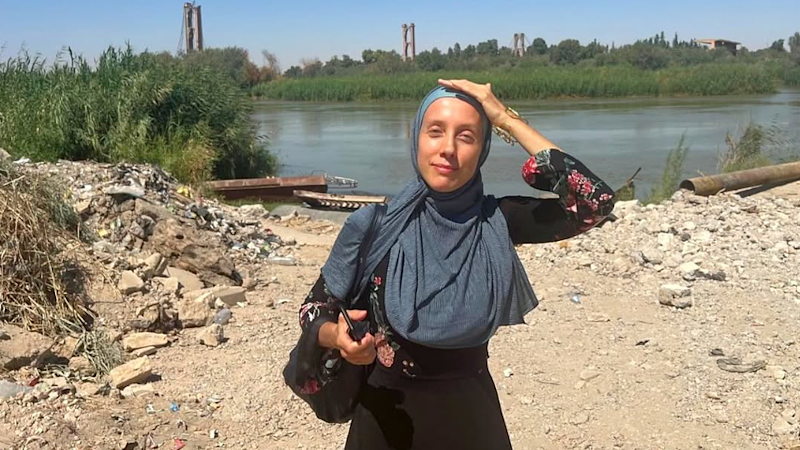
Baghdad just became a lot more dangerous for the few Westerners left on its streets. On Tuesday, March 31, 2026, Shelly Kittleson, an American freelance journalist with years of experience in the Middle East, was snatched in broad daylight. This wasn't a random street crime. It was a calculated operation in the heart of the city, and the trail leads directly to Kata'ib Hezbollah, one of Iraq’s most powerful Iran-backed militias.
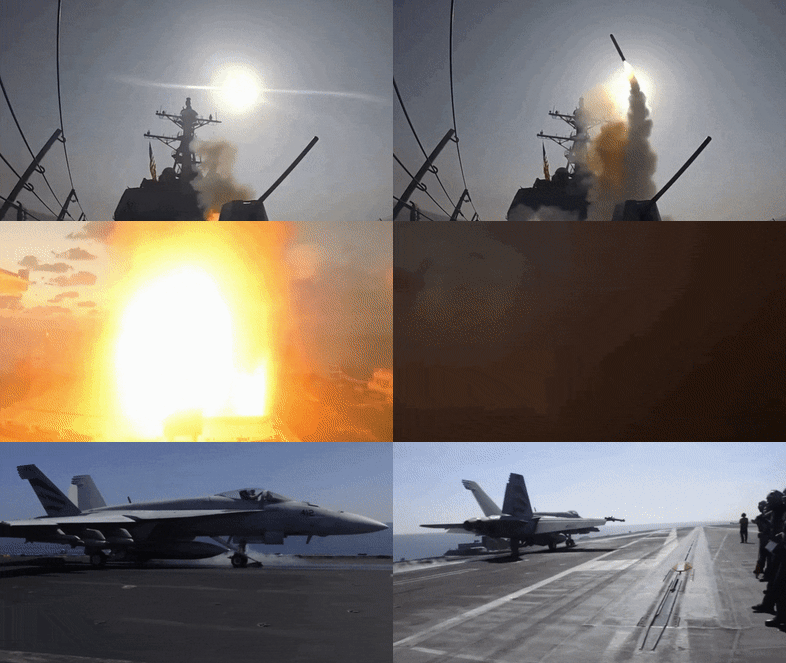
If you’re wondering why this matters now, it’s because it marks a terrifying shift in the regional shadow war. For months, the U.S. and Israel have been trading blows with Iran. Now, it looks like the battlefield has shifted back to the kidnapping tactics of the early 2000s.
What happened on Saadoun Street
Kittleson was near the Baghdad Hotel—a spot once considered relatively safe—when four men in civilian clothes forced her into a vehicle. This wasn't a clean getaway. Iraqi security forces actually spotted the abductors and gave chase. One of the getaway cars flipped over near Al-Haswa, southwest of the capital, in Babil province.
The Iraqi Interior Ministry confirmed they caught one suspect. But here’s the kicker: the U.S. State Department explicitly linked that suspect to Kata'ib Hezbollah. Despite the crash and the arrest, Kittleson wasn't in that car. She had already been moved to a second vehicle that vanished into the maze of the Iraqi countryside.
The warning she didn't take
Honestly, the most frustrating part of this story is that it was preventable. The U.S. government knew she was a target. Dylan Johnson, Assistant Secretary of State, admitted the department had "fulfilled their duty to warn" her.
I’ve learned from sources close to the situation that Kittleson was contacted multiple times. The last warning came just Monday night—hours before she was taken. She was told her name was on a literal "hit list" or kidnap list maintained by Kata'ib Hezbollah. Why stay? For a veteran reporter like Kittleson, the line between "calculated risk" and "impending disaster" is always thin. She reportedly believed the threats might be misinformation designed to scare her out of the country. She was wrong.
Why Kata'ib Hezbollah is the prime suspect
Kata'ib Hezbollah isn't just a ragtag group of rebels. They’re a sophisticated paramilitary force funded and directed by Tehran. They have a history of this. Remember Elizabeth Tsurkov? The Russian-Israeli researcher was held by the same group for 903 days before being freed in late 2025.
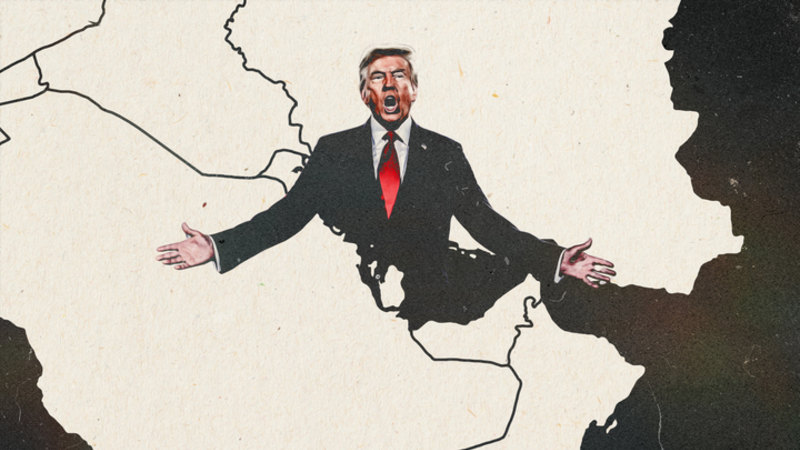
The timing here is everything. Following the U.S.-Israeli strikes on Iran on February 28, 2026, these militias have been looking for leverage. A high-profile American journalist is the ultimate bargaining chip. It puts the Trump administration in a bind: negotiate with a "terrorist" proxy or risk a rescue mission that could go south.
The broader security collapse in Iraq
Iraq was starting to feel "normal" again for a few years. That’s over. The Level 4 Travel Advisory isn't just bureaucratic window dressing anymore. Baghdad is currently a tinderbox.
- Militia Hubs: Groups like Kata'ib Hezbollah operate with near-total impunity in certain Baghdad neighborhoods.
- Political Gridlock: The Iraqi government is stuck between its reliance on U.S. support and the physical reality of Iranian-backed militias on their doorstep.
- Targeting Journalists: There’s a specific focus right now on female journalists and researchers. It’s a targeted campaign to blind the West to what’s happening on the ground.
What comes next for Kittleson
Right now, the FBI, Delta Force, and the Iraqi Counter-Terrorism Service are in a room together. They’re tracking the suspect they caught, hoping he’ll crack. But these militia members are ideologically driven and often trained to resist interrogation.
If you’re an American in Iraq, you need to get out. Don't wait for the next "duty to warn" call. If you're a journalist covering the region, you have to weigh the story against the very real possibility of ending up in a basement in Babil. The rules of engagement have changed, and the protection of a press badge is effectively zero in 2026 Baghdad.
The U.S. government is coordinating with the Iraqi government at the highest levels, but history shows these cases don't resolve overnight. We’re likely looking at a long, tense period of back-channel negotiations or a high-stakes military intervention.