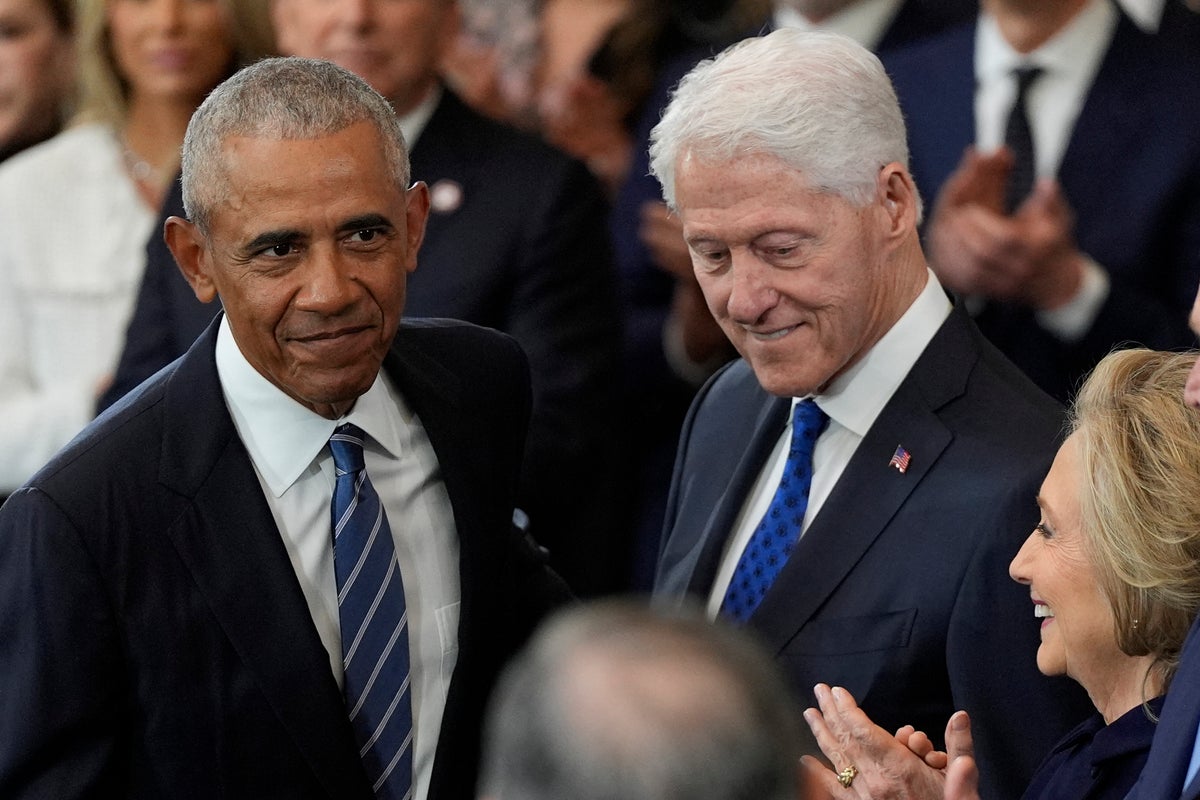
History doesn't always shout. Sometimes, it writes essays. George W. Bush, Barack Obama, and Bill Clinton recently stepped back into the literary ring, contributing to a monumental 250th-anniversary series called the In Pursuit project. Curated by U.S. Archivist Colleen Shogan, the initiative tasks historians and political figures with breaking down past American commanders-in-chief and first ladies.
The most striking element of the whole venture isn't who picked up a pen. It's who stayed completely unmentioned. Donald Trump's name is entirely absent from the pages, yet his looming shadow shapes the subtext of every single line.
The Subtext of Silence
When Bush sat down to write about George Washington, he didn't throw political grenades. He didn't have to. Instead, the Republican former president zeroed in on Washington's voluntary surrender of authority, celebrating him as the original anti-monarch.
"Our first president could have remained all-powerful, but twice he chose not to," Bush writes.
That single observation carries heavy weight in today's political climate. By highlighting Washington's decision to step away from executive dominance and establish term limits long before they were written into law, Bush sends a clear message about institutional norms. He focuses on the heroism of humility.
It's a deliberate choice. The project guidelines explicitly asked contributors to avoid partisan grandstanding or direct ideological warfare. Shogan noted that the overarching mission acts as a national debriefing, pulling raw lessons from two and a half centuries of political success and failure.
Law Over Loyalty
Other contributors leaned heavily into the eternal struggle between institutional integrity and personal fealty. Retired General Stanley McChrystal tackled the legacy of Ulysses S. Grant.
McChrystal painted Grant as a leader who valued an absolute commitment to constitutional principles over personal ambition. Before entering the White House, Grant famously resisted immense pressure pushing military leaders to align with partisan factions.
The parallel hits hard. In an era where modern administrations routinely pressure bureaucrats and demand absolute personal loyalty, McChrystal's analysis of Grant feels less like a dusty history lesson and more like a warning flare.
"Our future still depends on whether our leaders choose law over loyalty," McChrystal argues.
Confronting the Flaws
Unlike sanitized versions of American history that gloss over uncomfortable truths, these modern essays refuse to look away from historical blemishes. Bill Clinton took on Theodore Roosevelt in a recent installment.
Clinton praised Roosevelt's aggressive push to protect public interests against corporate overreach. At the same time, Clinton explicitly pointed out Roosevelt's exclusionary views toward Black and Indigenous populations.
This direct confrontation with systemic failure contrasts sharply with political movements pushing for strictly patriotic, uncritical interpretations of national history. By acknowledging the dark spots alongside the triumphs, these leaders are shaping a different kind of national narrative.
The collection deliberately excludes current political figures like Trump and Joe Biden, keeping the focus fixed on historical figures whose legacies have already baked into the cultural fabric. By leaving out the current cast of characters, the essays force readers to draw their own lines between past abuses of power and present realities.
You don't need to name drop to make a point. Sometimes, letting history speak for itself is the loudest move you can make.
Former presidents implicitly rebuked President Trump
This video explores how former U.S. presidents have historically used public platforms and subtle commentary to critique modern political rhetoric without ever dropping names.
http://googleusercontent.com/youtube_content/1