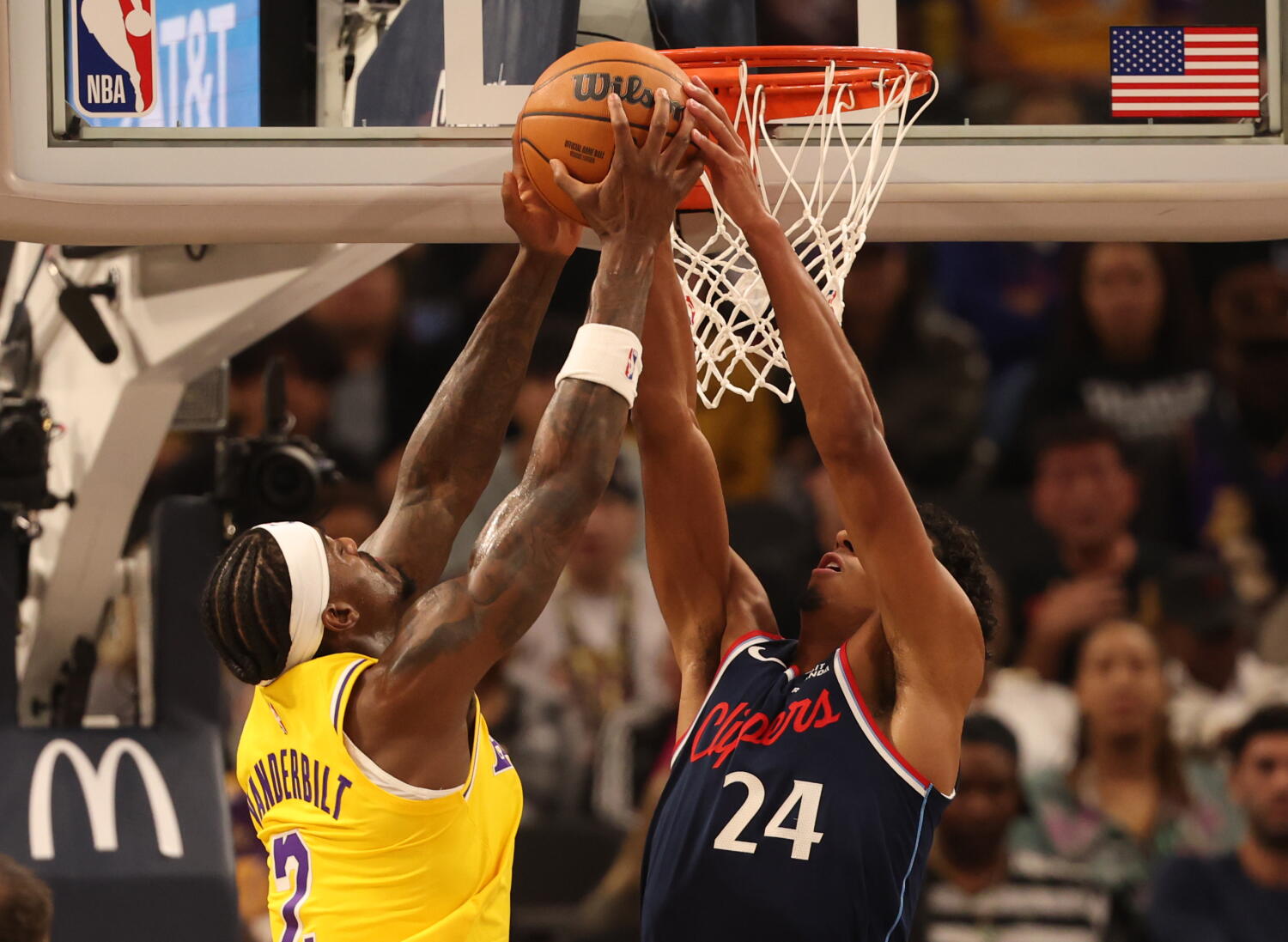
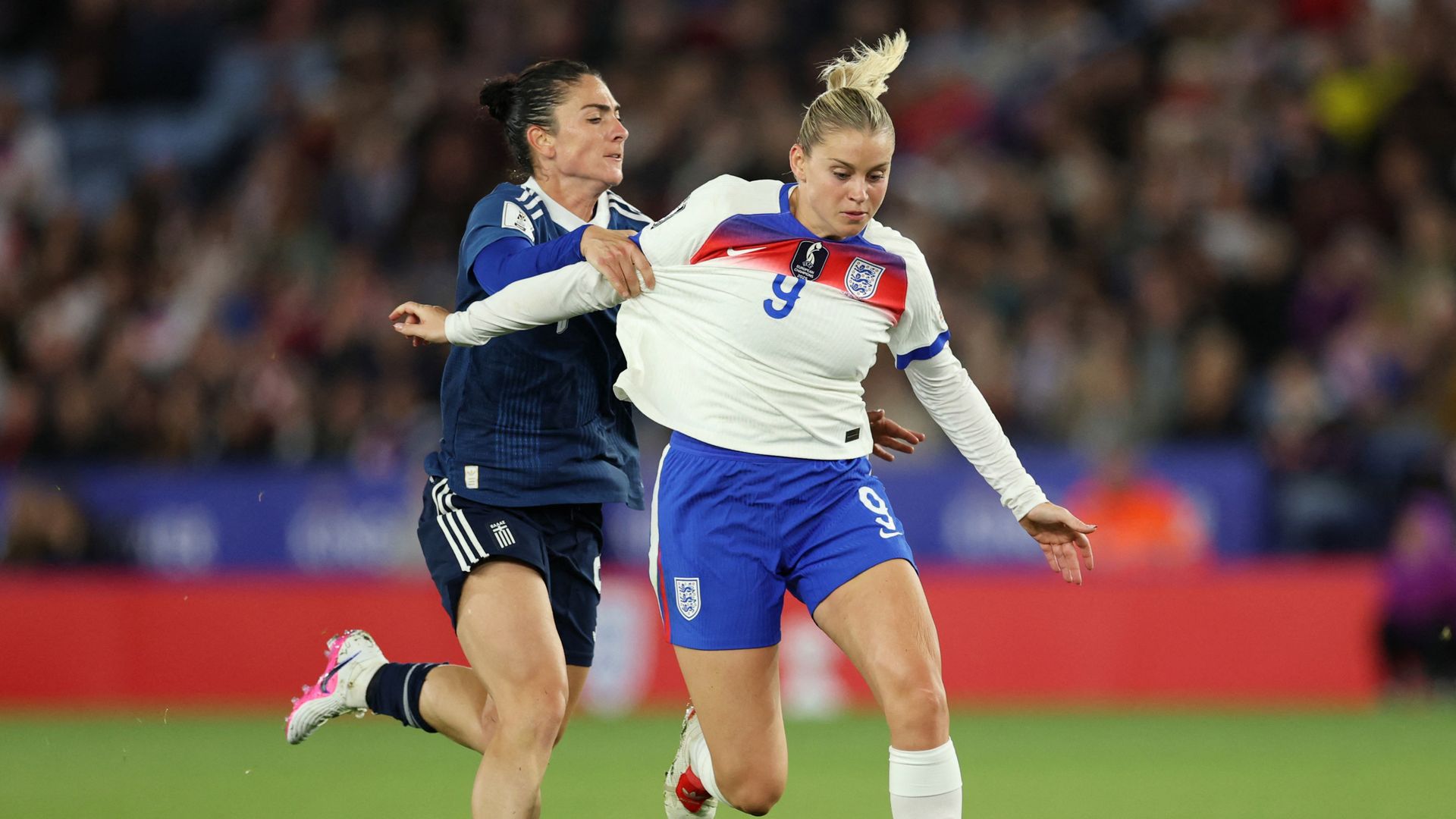
Dowman will miss three matches after an independent disciplinary panel rejected the club's formal appeal against a straight red card. That is the blunt, procedural reality handed down by the governing body, leaving the manager without a critical piece of his tactical setup for the next three fixtures. While standard match reports treat a failed appeal as a routine administrative footnote, the rejection exposes a much deeper friction between on-field officiating, the rigid thresholds of disciplinary law, and the high-stakes gamble clubs take when they challenge a referee's authority.
When a player receives a straight red card for serious foul play or violent conduct, the standard tariff is an automatic three-match ban. Clubs do not file appeals lightly, especially knowing that a frivolous challenge can occasionally result in an extended suspension. Yet, the vast majority of these appeals fail. To understand why Dowman's ban was upheld, you have to look past the slow-motion replays circulating on social media and examine the nearly impossible legal standard required to overturn a match official's decision.
The Myth of the Second Look
Fans and pundits often assume an appeal is a fresh trial where a panel watches the incident, weighs the intent, and applies common sense. It is not. Under established football regulatory frameworks, an independent regulatory commission does not ask whether they would have shown a red card in real time. They ask a much narrower, more unforgiving question. Did the referee make an obvious error?
This distinction is where almost every appeal dies.
In the case of Dowman, the club’s legal and technical staff had to prove beyond doubt that the official misread the physical mechanics of the incident or misapplied the Laws of the Game. If there is even a five percent margin of subjectivity—if a panel member can look at the footage and say, "I wouldn't have sent him off, but I can see why the referee did"—the appeal is dead on arrival. The burden of proof rests entirely on the appellant, and the standard is extraordinarily high.
Consider how video evidence is scrutinized inside these hearings. Broadcasters show us super-slow-motion angles that make every collision look premeditated and malicious. Conversely, club lawyers submit real-time footage alongside biometric and kinematic data to argue that a player was merely following through on a natural athletic motion. Despite the sophistication of modern video analysis, disciplinary panels are explicitly instructed to defer to the referee's primary vantage point unless the footage proves a clear and obvious factual mistake.
Why Clubs Gamble on Losing Battles
If the statistical probability of overturning a straight red card is notoriously low, why did the club bother appealing Dowman’s suspension at all? The answer lies in squad economics, fixture congestion, and internal dressing-room politics.
A three-match ban does not happen in a vacuum. Depending on the calendar, missing three games can wipe out a player's involvement in a crucial league six-pointer, a domestic cup tie, and a continental qualifier within a ten-day window. When a key starter like Dowman is sidelined, the manager is forced to reshuffle the starting eleven, often rushing an undercooked reserve into high-pressure minutes or altering a tactical shape that took months to drill.
"You appeal because the cost of doing nothing is guaranteed absence, whereas the cost of losing is usually just the filing fee and a bruised ego."
There is also the human element inside the training ground. When a player walks off the pitch adamant that they won the ball or that contact was accidental, the coaching staff faces a choice. Backing the player with an official appeal signals loyalty and unity, even if the club secretary knows the dossier has a ten percent chance of success. Leaving a player to serve a three-match ban without a fight can quietly erode trust between the locker room and the front office.
Furthermore, the timing of an appeal used to offer a tactical delay, though governing bodies have largely closed that loophole by fast-tracking hearings before the next scheduled fixture. Today, clubs receive a verdict within 48 hours, stripping away any strategic advantage of dragging out the paperwork. The decision to challenge Dowman's red card was purely an attempt to salvage immediate squad availability during a punishing stretch of the season.
The Anatomy of Serious Foul Play
To appreciate the uphill battle Dowman’s representatives faced, we have to dissect the specific language governing dismissals. Referees and disciplinary panels operate under strict definitions laid out by the International Football Association Board. Whether an incident is categorized as serious foul play or violent conduct dictates not only the length of the ban, but the exact criteria required to overturn it.
- Endangering the safety of an opponent: This is the ultimate catch-all phrase in modern officiating. A player does not need to intend harm, nor do they even need to make severe contact, to be guilty of serious foul play.
- Excessive force: Panels look at the speed of approach, the height of the foot, whether the studs were exposed, and whether the player was in full control of their body weight at the moment of impact.
- Point of contact: A challenge that catches an opponent above the ankle immediately triggers a red-card threshold, regardless of whether the player touched the ball first.
In Dowman’s situation, the defense almost certainly centered on intent and ball contact. For decades, winning the ball was a bulletproof shield against disciplinary action. That era is long gone. Under current directives, winning the ball is entirely irrelevant if the follow-through endangers an opponent. Once the referee determines that force was excessive, the regulatory commission will almost always uphold the verdict to maintain consistency across the league.
The Domino Effect on Tactical Systems
Losing a player for three matches creates a ripple effect that extends far beyond replacing one name on a team sheet. Modern football systems are built on micro-relationships—triangles on the flank, synchronized pressing triggers, and specific passing lanes that rely on muscle memory.
When Dowman is forced to watch from the stands for the next three games, the replacement player brings a completely different physical and technical profile. If the replacement lacks Dowman’s recovery pace, the defensive line must drop five yards deeper to protect against counter-attacks. Dropping five yards deeper stretches the distance between the midfield and the forwards, dulling the team's counter-pressing efficiency.
Opposing analysts are already dissecting these vulnerabilities. Over the next three fixtures, rival coaches will target the exact corridor Dowman usually patrols, knowing the understudy lacks the same spatial awareness or defensive instincts. A single red card and a failed appeal can easily cost a club four to six points in the standings before the suspended player ever kicks a ball again.
The Financial Cost of Indiscipline
Beyond the tactical disruption, clubs quietly absorb significant financial penalties for disciplinary infractions. Every straight red card carries an automatic administrative fine levied against the player, alongside potential internal club fines depending on the terms of their contract.
More importantly, accumulating red cards triggers institutional penalties from the governing body. If a club crosses a specific threshold of yellow and red cards across a single campaign, they face escalating fines for failing to control their players, along with closer scrutiny from match officials in subsequent games. Referees are human; a team with a reputation for reckless challenges rarely gets the benefit of the doubt on fifty-fifty decisions.
The Flawed Transparency of the Tribunal Process
One of the most glaring issues highlighted by the Dowman ruling is the opaque nature of sports disciplinary tribunals. While the verdict is announced publicly via a brief press release confirming the three-match suspension stands, the detailed written reasons often take weeks to surface—if they are published at all.
Fans are left guessing what evidence was presented, how the panel interpreted the footage, and why specific mitigating factors were dismissed. In a hypothetical scenario where two nearly identical tackles occur on the same weekend, one panel might rescind a red card while another upholds it, simply because different three-person committees sat on each case.
This lack of transparency breeds cynicism. Supporters begin to view the disciplinary system not as an impartial arbiter of the rules, but as a protective guild designed to shield referees from public embarrassment. While independent panels frequently include former players and managers to provide on-field context, their hands remain tied by the narrow "obvious error" mandate.
Until governing bodies reform the threshold for overturning on-field decisions—or allow panels to downgrade a three-match ban to a one-match suspension when a red card is deemed harsh but not technically erroneous—clubs will continue to throw money and legal hours at appeals they are statistically doomed to lose. Dowman will serve his three matches on the sidelines, the squad will scramble to patch the tactical hole, and the rigid machinery of football justice will keep grinding forward without looking back.