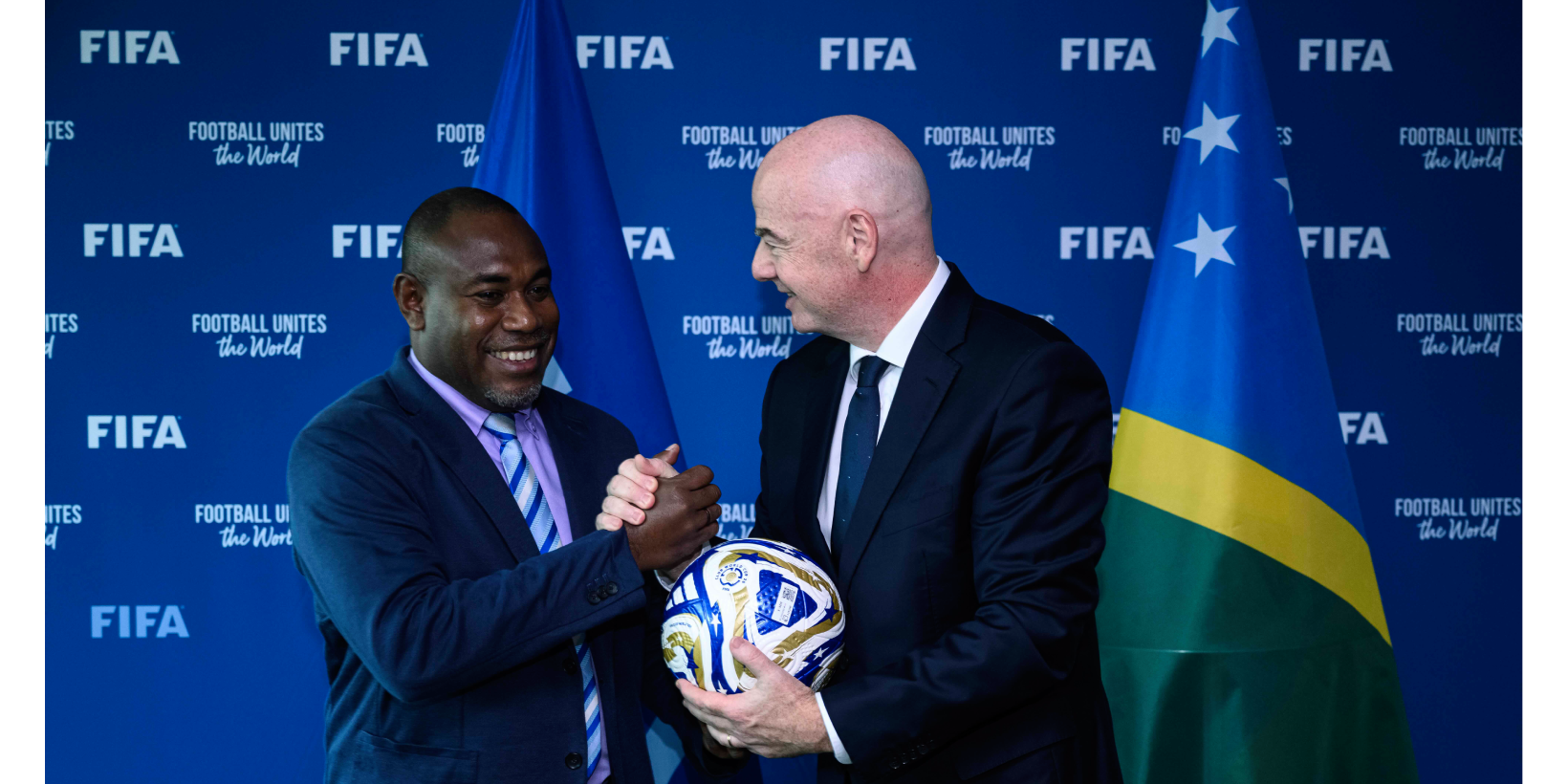
Mexico is about to do something no other country has ever done. It's hosting its third FIFA World Cup. That isn't just a fun fact for trivia night. It's a massive undertaking that involves billions of dollars, high-level diplomacy, and enough logistics to make a general's head spin. When President Claudia Sheinbaum sat down with FIFA President Gianni Infantino recently, they weren't just grabbing coffee. They were laying the groundwork for a tournament that defines Mexico's place on the global stage.
The meeting at the National Palace wasn't just a photo op. It signaled a shift in how the 2026 World Cup—shared with the United States and Canada—is being prioritized in Mexico City. FIFA needs Mexico to be ready. Mexico needs FIFA to ensure the economic benefits actually reach the streets. It’s a high-stakes partnership. Expanding on this theme, you can also read: The Statistical Implosion of Professional Football Excellence.
Why this World Cup is different for Mexico
Most people think of the World Cup as just a series of soccer matches. That's wrong. For Mexico, the 2026 edition is a chance to showcase a modernized infrastructure and a growing economy. The 1970 and 1986 tournaments are legendary, sure. They gave us Pelé’s crowning moment and Maradona’s "Hand of God." But the 2026 version is a different beast entirely. It’s bigger. More teams. More travel. More pressure.
Infantino’s visit was about checking the pulse. He knows the Azteca Stadium is holy ground for soccer fans, but he also knows it needs massive renovations to meet 2026 standards. You can't host a modern quarter-final in a stadium that hasn't seen a major tech upgrade in decades. During the meeting, the focus stayed on making sure the fan experience doesn't just rely on nostalgia. Observers at ESPN have also weighed in on this trend.
The Azteca Stadium facelift
The Estadio Azteca is the crown jewel. It's the only stadium that will have hosted three opening matches. But nostalgia doesn't buy you high-speed 5G or premium hospitality suites. The renovations are intense. We're talking about structural changes that respect the history while adding the luxury that FIFA sponsors demand.
You've probably heard critics say the money should go elsewhere. I get it. But the ripple effect of these upgrades is real. Construction jobs, improved transport links around the Santa Úrsula neighborhood, and the long-term boost to tourism aren't just talking points. They're the return on investment.
Security and the fan experience
Let’s be real. Security is the elephant in the room whenever Mexico hosts a massive international event. You can't ignore it. The federal government knows that any slip-up in 2026 will be magnified ten times by the international press. Sheinbaum’s administration has to prove that cities like Monterrey, Guadalajara, and Mexico City are safe for millions of visiting fans.
Infantino didn't come to Mexico to talk about defensive tactics on the pitch. He came to talk about security protocols. FIFA has strict requirements for "fan zones" and stadium perimeters. The collaboration between the Mexican National Guard and FIFA’s private security teams is already being mapped out. It’s a massive operation. If you’re planning to attend, expect some of the tightest security ever seen at a sporting event. It’s the price of admission for a global party.
The economic engine behind the games
Hosting doesn't come cheap. But the projected revenue is staggering. We aren't just talking about ticket sales. We’re talking about every taco stand, hotel room, and Uber driver in the host cities. The 2026 World Cup is expected to generate billions in economic activity across North America. Mexico wants a huge slice of that pie.
Guadalajara and Monterrey are already seeing a surge in hotel bookings for June 2026. This isn't just about the three match days in those cities. It’s about the weeks of training camps and fan festivities leading up to them. Local businesses are bracing for the influx. If you own a shop near the Akron Stadium or the BBVA Stadium, you’re basically sitting on a gold mine right now.
Boosting the local brand
Think about what this does for Mexico’s "soft power." For a month, the eyes of the world are on the country. It’s an advertisement you can't buy. By welcoming Infantino with open arms, the President is signaling that Mexico is open for business. It tells investors that the country can handle complex, multi-billion-dollar projects. That confidence spreads far beyond the soccer pitch.
What fans should actually expect
If you’re a fan, don't expect the same experience as Qatar or Russia. North America is huge. The travel logistics are going to be a nightmare if you don't plan ahead. Moving between Mexico City and, say, Vancouver or New York isn't a quick train ride.
- Book your flights way earlier than you think.
- Focus on one region if you want to keep your sanity.
- Don't sleep on Monterrey; the stadium views of the mountains are world-class.
Infantino’s visit confirmed that Mexico is on track, but the work is far from over. The stadiums are getting their paint jobs, the hotels are being built, and the government is aligning its resources. It’s happening.
The best thing you can do right now is start your logistics planning. Check the official FIFA portal for ticket updates and look into local transport options in Guadalajara and Monterrey. The demand will be unlike anything we've seen before. Get your documents in order and keep an eye on the renovation progress at the Azteca. 2026 will be here before the first whistle blows.