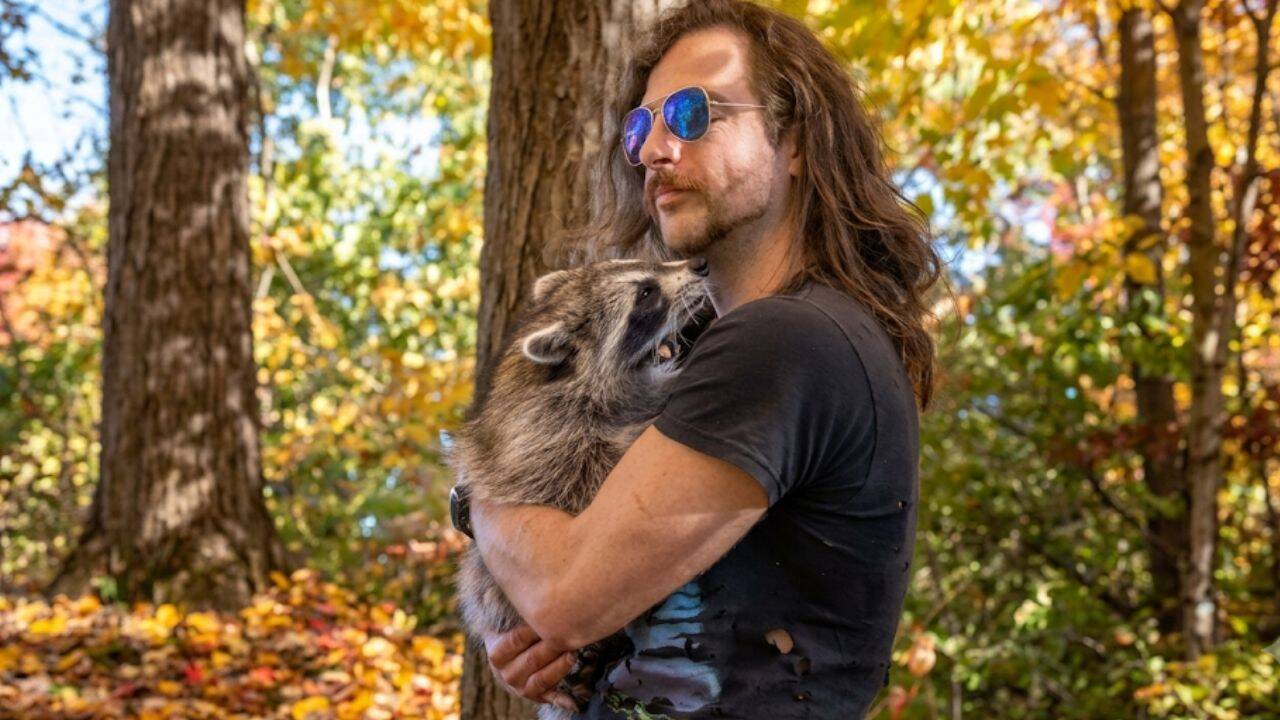
Saving a dying animal in your backyard feels like the right thing to do. In Quebec, it can land you in criminal court with thousands of dollars in fines.
That harsh collision between basic human empathy and strict provincial wildlife laws is at the center of the case involving a Montreal man facing charges over a rescued baby raccoon named Pepper. Most people reading the headlines see a bureaucratic nightmare where good intentions get punished. Wildlife officers and rabies epidemiologists see a completely different story—one involving a fatal virus, provincial borders, and laws written specifically to stop wild animals from becoming house pets.
If you've ever found an injured bird, a stray squirrel, or an orphaned raccoon kit on your property, you need to understand how Quebec's wildlife enforcement actually works. The rules aren't just technicalities. They carry massive financial penalties, and the authorities rarely back down once an investigation starts.
Why Keeping a Rescued Baby Raccoon Is Illegal in Quebec
Under Quebec's Act Respecting the Conservation and Development of Wildlife, keeping a wild raccoon in captivity without a specialized permit is strictly prohibited. It doesn't matter if the animal was abandoned by its mother. It doesn't matter if you bottle-fed it back to health.
I've seen dozens of well-meaning people assume that rescuing an animal gives them a moral pass from provincial regulations. It doesn't. The law draws a hard, unforgiving line between domestic pets and indigenous wildlife. Raccoons fall squarely into the latter category, alongside skunks, foxes, and squirrels.
When wildlife protection officers—known in Quebec as agents de protection de la faune—receive a tip about someone housing a raccoon, they treat it as an illegal possession case. You can't get a "pet raccoon" permit as an ordinary resident. Those permits are reserved strictly for accredited zoos, licensed wildlife rehabilitation centers, and certified scientific researchers.
The Penalties Are No Joke
People often assume a wildlife violation results in a polite warning and the animal getting relocated. That's rarely how it plays out when an animal has been kept inside a home for weeks or months.
Under Quebec's wildlife legislation, individuals caught keeping prohibited wild animals in captivity face minimum fines starting at several hundred dollars and escalating quickly into the thousands, depending on the specific infractions stacked against them. If officers determine the animal was transported across municipal or regional lines—or if you refuse to surrender it immediately—the legal exposure multiplies. The authorities also hold the legal right to seize the animal on the spot.
The Real Reason Authorities Crack Down on Raccoons
To understand why the Ministère de l'Environnement, de la Lutte contre les changements climatiques, de la Faune et des Parcs (MELCCFP) enforces this rule so aggressively, you have to look at public health data. Specifically, you have to look at raccoon rabies.
Quebec has spent millions of dollars over the past two decades fighting to keep the raccoon variant of the rabies virus from establishing a permanent foothold in the province. Every single year, provincial crews drop hundreds of thousands of vaccine baits across southern Quebec, particularly near the borders with Vermont, New York, and Ontario.
Why One Pet Raccoon Threatens That Entire Buffer Zone
Raccoons are the primary terrestrial vector for this specific strain of rabies in eastern North America. When a person picks up a baby raccoon and brings it into a dense urban area like Montreal, they bypass natural geographic containment barriers.
- Incubation periods are unpredictable. A raccoon kit can carry the rabies virus for weeks or months without showing a single symptom of aggression or sickness.
- There is no live test for rabies. Veterinarians can't draw blood from a living raccoon to confirm it's rabies-free. The only definitive diagnostic test requires examining brain tissue after the animal has died.
- Human exposure triggers mandatory protocols. Once a wild raccoon lives inside an apartment or house, anyone who handled, fed, or got scratched by it becomes a potential exposure case in the eyes of public health officials.
This biological reality is why wildlife officers don't just hand confiscated pet raccoons over to a local shelter. Once a wild mammal has been habituated to humans—or kept outside of a bio-secure rehabilitation facility—releasing it back into the wild becomes almost impossible. It can't forage properly, it approaches humans without fear, and it poses a disease transmission risk to wild populations.
The Habituation Trap Nobody Talks About
Everyone loves videos of baby raccoons eating grapes out of tiny bowls. Nobody posts the videos from eighteen months later.
Baby raccoons are docile, clingy, and remarkably intelligent. They bond quickly with whoever feeds them. Around six to twelve months of age, however, sexual maturity hits. Hormones surge. That playful, cuddly kit transforms into a powerful, territorial wild animal armed with sharp teeth, dexterous claws, and zero natural fear of people.
Wildlife rehabilitators across North America deal with the fallout of this every single spring and summer. People raise a baby raccoon until it starts shredding drywall, biting family members, or attacking household pets. Then they dump the animal in a local park, thinking they're setting it free.
An imprinted raccoon dumped in a city park doesn't survive peacefully. It approaches joggers, breaks into garbage cans aggressively, and often ends up euthanized by animal control within weeks because people mistake its lack of fear for rabies. Quebec's laws are designed to stop that cycle before the bottle-feeding ever starts.
What You Should Actually Do If You Find an Orphaned Baby Raccoon
Finding a tiny, shivering animal on your lawn triggers an immediate urge to scoop it up, wrap it in a towel, and bring it inside. Resist that urge. Your first twenty minutes of action determine whether that animal lives a normal wild life or ends up confiscated by the state.
Step 1 Check If It Is Truly Orphaned
Mother raccoons frequently move their litters from one den to another, especially if a storm hits or a predator gets too close. She can only carry one kit at a time in her mouth.
If you find a single baby raccoon on the ground during the day, it might just be waiting for its mother to come back for the second trip. Leave it alone. Keep your dogs inside, keep kids away, and watch from a window for several hours. A healthy kit will usually stay put and call out quietly until mom returns after dusk.
Step 2 Look for Clear Signs of Distress
You should only intervene if the situation is clearly an emergency. Look for these specific red flags:
- Visible injuries like bleeding, limping, or open wounds from a cat or dog attack.
- Fly eggs or maggots around the eyes, ears, or mouth, which means the mother hasn't groomed the kit for hours.
- Cold skin or lethargy, where the baby feels cool to the touch and barely moves when approached.
- A deceased mother nearby, often on an adjacent road.
Step 3 Contain Without Handling Directly
If the animal is genuinely injured or orphaned, never pick it up with your bare hands. Put on thick leather gardening gloves or use a heavy towel to gently place the kit inside a ventilated cardboard box lined with an old T-shirt.
Put the box in a quiet, dark, warm room away from household pets and children. Do not give it cow's milk—it causes severe diarrhea and dehydration in wild mammals. Do not try to feed it solid food or water, as weak kits easily aspirate liquids into their lungs.
Step 4 Call Licensed Help Immediately
In Quebec, your immediate move is calling SOS Braconnage – Urgence faune sauvage at 1-800-463-2191 or contacting a recognized wildlife rehabilitation center like Le Nichoir (for birds) or regional wildlife rescue networks licensed by the ministry.
Handing the animal over within the first 24 hours keeps you completely on the right side of the law. Wildlife officers understand the difference between a citizen temporarily containing an injured animal for transport to a licensed facility and someone keeping a wild animal as an unauthorized pet. Make that phone call right away, document who you spoke with, and transfer the animal to professionals who hold the legal permits to rehabilitate and release it safely.