Ten years and six months behind bars. That's the reality facing comedian and actor Russell Brand after a UK Crown Court handed down a custodial sentence for rape and sexual assault, bringing a years-long legal and media reckoning to a sobering conclusion.
If you've followed this case from the moment the joint Sunday Times, Times, and Channel 4 Dispatches investigation dropped back in September 2023, you know the shockwaves weren't just about one celebrity's downfall. They exposed a systemic rot in how British television and radio networks handled talent who brought in big ratings during the 2000s and early 2010s. Honestly, the courtroom verdict is only half the story.
How the Russell Brand Sentencing Unfolded in Court
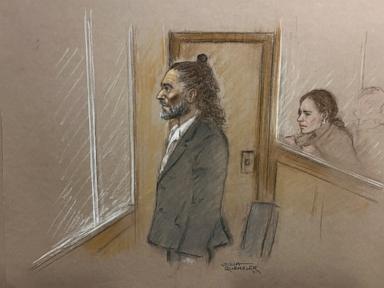
Let's strip away the online noise and look at what actually happened inside the courtroom. Brand received a total sentence of 10 years and 6 months following convictions for rape and sexual assault stemming from incidents during the height of his mainstream fame in the UK.
Under standard sentencing guidelines in England and Wales, serious sexual offenses carry strict custodial thresholds. Judges calculate sentences by weighing culpability—how much planning, abuse of trust, or coercion was involved—against the lasting psychological and physical harm inflicted on the victims. Because the charges spanned severe offenses rather than a single isolated lapse, the court imposed a sentence reflecting the gravity of repeated predatory behavior.
People often ask how much time someone actually serves on a ten-and-a-half-year sentence in the UK. Under current British criminal justice rules for serious violent and sexual offenses, offenders do not automatically walk out at the halfway mark. Inmates convicted of specified serious sexual crimes are generally required to serve at least two-thirds of their sentence in custody before they can even be considered for release by the Parole Board. Even after release, strict license conditions and placement on the Violent and Sex Offender Register follow them for life.
Why It Took Nearly Two Decades to Reach a Verdict
The timeline confuses a lot of casual observers. Why did allegations dating back to the 2006–2013 era take until 2026 to end in a prison sentence?
Anyone who has worked around UK media law or followed Crown Prosecution Service (CPS) charging decisions knows that historical sexual assault cases move at a glacial pace. And for good reason. The burden of proof in a criminal court is beyond reasonable doubt, which is vastly higher than the editorial standard required for a newspaper investigation or a television documentary.
When the Metropolitan Police launched formal inquiries following the 2023 media reports, detectives had to:
- Track down contemporaneous text messages, call logs, and medical records from nearly twenty years ago.
- Interview dozens of former production staff, runners, and executives from the BBC and Channel 4 to establish patterns of behavior.
- Build a case file strong enough to pass the CPS Full Code Test, ensuring a realistic prospect of conviction before a jury.
Unlike the US legal system, UK contempt of court laws are notoriously strict. Once a suspect is arrested or charged, British journalists cannot publish speculative commentary, leak unverified witness claims, or run opinion pieces that might prejudice a jury. That legal blackout is why coverage seemed to go quiet for long stretches while prosecutors quietly assembled their case behind closed doors.
What Most People Get Wrong About Celebrity Trials in the UK
Social media turns every high-profile trial into a circus of bad legal takes. Whenever a famous figure faces charges in Britain, three major misconceptions immediately flood the internet.
First, people confuse a lack of immediate police charges with exoneration. In the months after Brand vehemently denied the allegations on his YouTube channel, his defenders pointed to the absence of an immediate arrest as proof of his innocence. That's not how the Met Police operate. Complex historical investigations routinely take 12 to 24 months just to reach the charging stage.
Second, many assume internal broadcaster reviews are the same as criminal probes. Both the BBC and Channel 4 commissioned internal reviews into Brand's behavior while he worked on shows like Big Brother's Big Mouth and his Radio 2 program. Those reviews looked at workplace complaints, HR failures, and duty-of-care lapses. They had zero power to compel testimony under oath or issue criminal penalties.
Third, fans often believe a celebrity's massive online platform can sway a British jury. Brand pivoted hard toward independent online media and political commentary years before the allegations went public, building millions of subscribers on Rumble and YouTube. While that audience generated huge financial support and vocal online defense, UK jurors are strictly vetted and instructed to ignore external media narratives. Inside the courtroom, viral monologues don't count as evidence.
The Industry Culture That Enabled Decades of Silence
You can't separate Brand's sentence from the environment that made him a star. Between 2006 and 2008, Brand was arguably the hottest property in British broadcasting. His chaotic, hyper-sexualized persona wasn't an accident—it was the exact product networks were paying for.
Having watched how television commissioning worked during that era, I can tell you the power imbalance was staggering. Junior researchers and runners—often young women in their early twenties on short-term freelance contracts—had virtually no safe route to report misconduct by an on-air talent generating massive ratings. If you complained about the star of the show, you didn't get the star fired. You simply didn't get your contract renewed for the next series.
The internal inquiries conducted by the BBC and Banijay UK (which acquired Endemol, the producer behind Big Brother) revealed uncomfortable truths about how complaints were brushed aside. Warnings were treated as "Brand being Brand" rather than red flags of criminal behavior. Even after the infamous 2008 "Sachsgate" prank call scandal forced his resignation from Radio 2, Hollywood immediately welcomed him with open arms, handing him leading roles in major studio comedies.
How This Verdict Changes Accountability in British Entertainment
The ripple effects of this sentence are already hitting television production companies, talent agencies, and broadcasters across London. We're way past the point where a vague corporate apology fixes a scandal.
Broadcasters have overhauled their whistleblowing infrastructure, introducing independent third-party reporting lines like the Film and TV Charity's bullying and harassment advice line and stricter safeguarding protocols on set. Talent agencies now face intense scrutiny over what they knew and when they knew it, especially when representing high-risk clients.
There is also a clear message to online creators who think building a direct-to-consumer audience makes them untouchable. Monetizing controversy on alternative video platforms might shield a creator from traditional advertiser boycotts, and it might keep revenue flowing during a public relations crisis. It does nothing to stop criminal prosecution when survivors step forward with credible evidence.
Practical Ways to Follow High-Profile UK Legal Cases Responsibly
When major sentencing news breaks, misinformation spreads faster than court transcripts. If you want to stay accurately informed on this case, any potential appeals, or future UK media trials, stick to reliable habits:
- Check primary court reporting. Follow accredited UK legal journalists from outlets like the Press Association (PA), BBC News, or The Guardian who sit inside the courtroom and report verbatim sentencing remarks from the judge.
- Verify sentencing math. Look up official guidance from the Sentencing Council for England and Wales rather than relying on viral social media graphics, which routinely get custody thresholds and parole eligibility wrong.
- Separate civil, internal, and criminal proceedings. Keep track of whether a headline refers to a police conviction, a civil lawsuit, or a broadcaster's HR inquiry—they operate under completely different rules of evidence.
Russell Brand's 10-year, 6-month sentence closes one of the darkest chapters in modern British entertainment, proving that neither mainstream celebrity nor an online media empire puts anyone beyond the reach of the law.