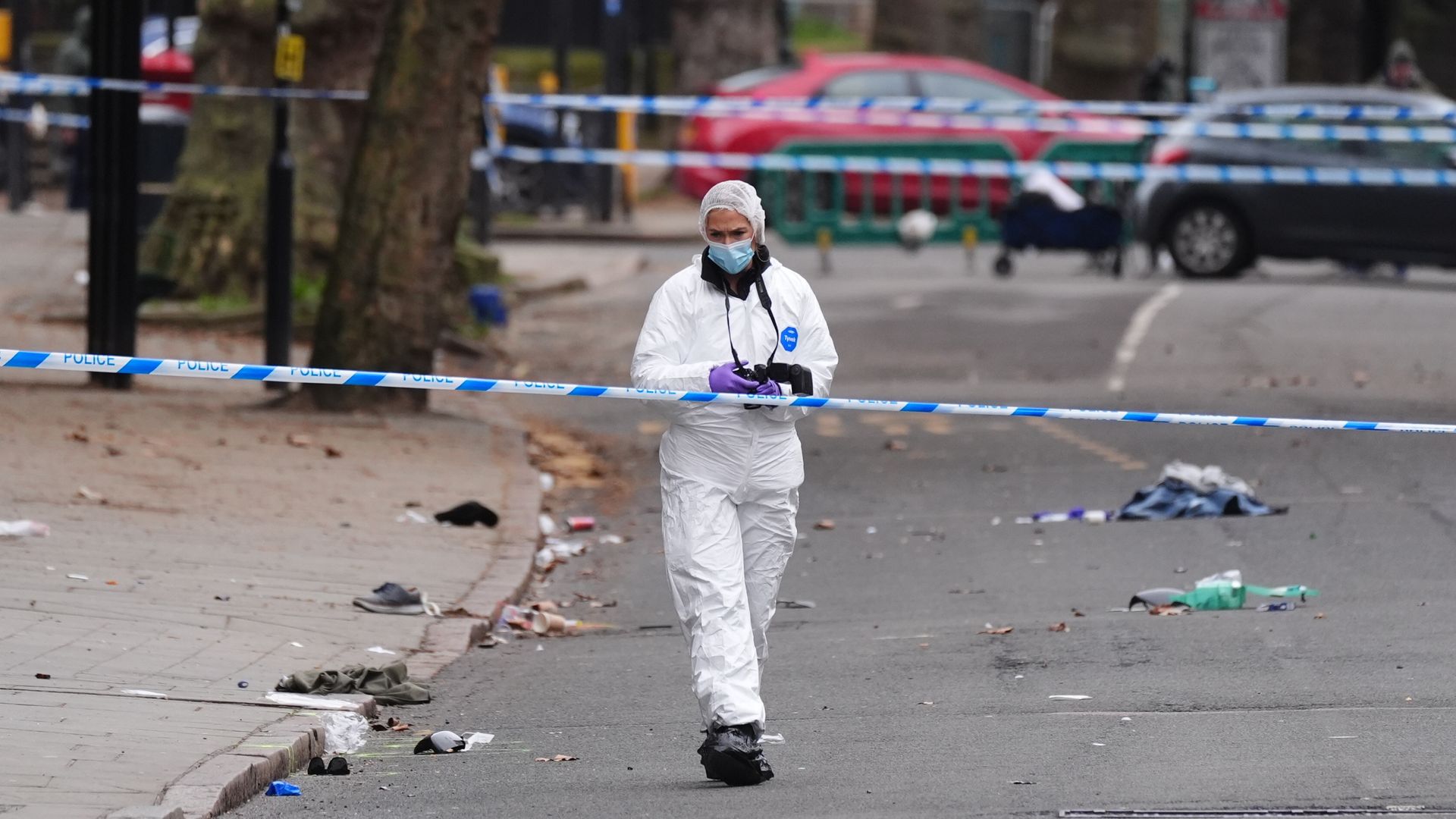
A man faces serious criminal charges today after a car plowed into pedestrians in the heart of the city centre. It happened fast. One minute people were walking, the next, chaos broke out. Emergency services rushed to the scene while witnesses stood in shock. This isn't just another traffic accident. It's a stark reminder of how quickly a normal day transforms into a crime scene when a vehicle becomes a weapon.
Authorities confirmed the driver is in custody. He's not getting out anytime soon. The legal system is moving quickly because the public demands answers when safety in pedestrian zones is shattered. You expect to be safe on the sidewalk. When that trust breaks, the legal consequences must be heavy.
What We Know About the City Centre Charges
The police haven't held back. They’ve charged the individual with multiple counts, including dangerous driving and causing serious injury. In these cases, the prosecution looks at intent and negligence. Was it a medical episode? Was it deliberate? Or was it just gross stupidity behind the wheel? The current charges suggest the evidence points toward criminal liability rather than a simple mechanical failure.
Detectives spent hours mapping the crash site. They used laser scanners and analyzed tire marks to determine the car's speed at the moment of impact. It’s clinical work. They have to prove the driver’s actions met the threshold for "dangerous" rather than just "careless." There’s a massive legal gap between those two terms. Careless is a mistake; dangerous is a choice to ignore the safety of others.
Why These Incidents Are On the Rise
City planners are obsessed with "pedestrianization," yet we keep seeing these collisions. It’s a design flaw. You can put up all the signs you want, but metal and glass will always win against bone and muscle. We need more than just paint on the road to keep people safe. Bollards matter. Physical barriers matter.
Some argue that city centres are becoming too congested, leading to driver frustration. That’s no excuse. If you can't handle a slow-moving urban environment without endangering lives, you shouldn't have a license. Period. The data from the Department for Transport shows that while overall road fatalities are fluctuating, the vulnerability of people on foot in urban hubs remains a massive concern.
The Role of CCTV and Public Footage
In 2026, you're always on camera. Every angle of this incident was likely captured by shop security, municipal feeds, or someone's smartphone. This makes the "he said, she said" of old-school policing almost obsolete. The footage provides an objective timeline. It shows exactly when the driver jumped the curb and how the pedestrians tried to scramble out of the way.
The police used this digital trail to build their case within hours. It's why the charges were brought so quickly. When the video shows a clear violation of traffic laws, there’s very little room for a defense lawyer to wiggle. They can't argue the light was green if the pixels show it was red.
Legal Fallout for the Victims
The people hit face a long road. It's not just about the physical bruises or broken limbs. There’s the trauma of looking over your shoulder every time you hear an engine rev. Compensation claims will follow. These lawsuits aren't about "cashing in." They're about paying for the physical therapy and the lost wages that come when you can't work for six months.
Liability in these cases is usually straightforward once a criminal conviction is secured. If the driver is found guilty of dangerous driving, the insurance companies have a much harder time fighting the civil payouts. However, if the driver was uninsured or under the influence, the process gets messy.
Staying Safe in High Traffic Areas
You can't control the person behind the wheel, but you can change how you move through the city.
- Stay off the phone near curbs. Distraction isn't just for drivers. If you’re looking at a screen, you won't see the car that’s lost control until it’s too late.
- Walk behind physical barriers. If there’s a line of heavy planters or reinforced bollards, stay on the side furthest from the road.
- Don't trust the lights. Even if the little green man is lit up, look both ways. A red light won't stop a driver who isn't paying attention.
- Report erratic driving. If you see someone swerving or speeding in a pedestrian-heavy zone, call it in. You might prevent the next headline.
The court date for the driver is set. We’ll see if the justice system holds firm. Public safety in our cities depends on the idea that if you use a car to hurt people, you lose your freedom. Watch the news for the first hearing. It will set the tone for how the city handles road violence moving forward.