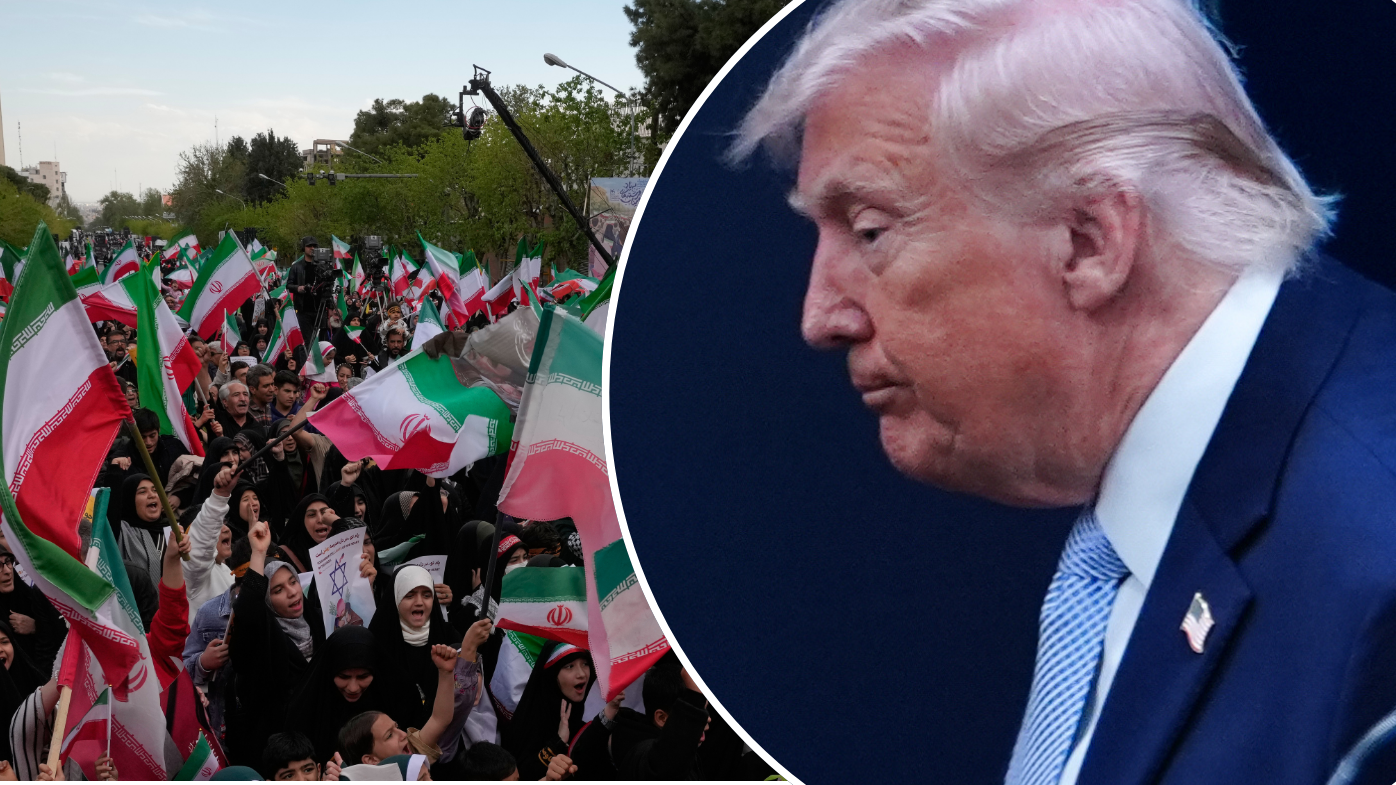
The declaration of a two-week ceasefire between the United States and Iran represents a tactical suspension of kinetic and cyber operations, yet it functions primarily as a high-stakes stress test for bilateral de-escalation protocols. To analyze this development, one must look past the political rhetoric and examine the underlying structural components: the credible signaling of intent, the verification of non-aggression, and the strategic utility of a fourteen-day window. This is not a resolution of the long-standing ideological or nuclear friction; it is a recalibration of the "escalation ladder"—a concept popularized by strategist Herman Kahn—designed to prevent an accidental slide into full-scale regional war.
The Tripartite Architecture of a Temporary Ceasefire
A temporary ceasefire operates on three distinct operational layers. Failure in any single layer leads to a rapid "snap-back" to the status quo ante of hostility.
- The Information Vacuum Layer: Both nations must establish a direct, low-latency communication channel to differentiate between accidental skirmishes (by proxies or rogue units) and intentional violations. Without this, the fog of war ensures that a single stray projectile terminates the agreement within hours.
- The Proxy Constraint Mechanism: For Iran, the ceasefire is only as credible as its ability to exert command and control over the "Axis of Resistance." For the United States, it involves the temporary tethering of regional allies who may view a US-Iran thaw as a threat to their own security architectures.
- The Observation Period: The fourteen-day timeframe is not arbitrary. It represents approximately two cycles of military intelligence reassessment, allowing both sides to observe whether the opponent is using the lull to consolidate frontline positions or truly de-escalating.
The Cost Function of Non-Compliance
In game theory terms, this ceasefire is a "repeated game" where the payoff for cooperation must outweigh the immediate tactical advantage of a surprise strike. The cost of breaking the ceasefire during this specific window is asymmetric. For the Trump administration, a violation by Iran provides the necessary political capital to pivot from "negotiation" to "maximum pressure" with full international and domestic backing. For Iran, a violation by the US allows them to solidify their narrative of American unreliability, potentially driving a wedge between Washington and its European or Asian economic partners.
The primary risk factor is the "Proxy Dilemma." Iran often utilizes decentralized command structures to maintain plausible deniability. However, in a formal ceasefire scenario, this decentralization becomes a liability. If a militia group in Iraq or Yemen initiates an attack, the US logic dictates that Tehran is either responsible or incapable of leadership—both of which justify a return to kinetic engagement.
Verification Logistics and the "Grey Zone" Problem
Verification is the bottleneck of any truce. Unlike traditional state-on-state warfare where satellite imagery can track troop withdrawals, the US-Iran conflict persists in the "Grey Zone"—a space defined by cyberattacks, maritime harassment, and covert sabotage.
- Cyber-Kinetic Decoupling: Does the ceasefire include "logic bombs" or state-sponsored hacking? If a US infrastructure target is hit by a ransomware strain linked to Iranian actors during the fourteen days, the ceasefire is technically breached, even if no missiles were fired.
- Maritime Transit: The Persian Gulf and the Strait of Hormuz serve as the physical barometer for the truce. The frequency of "unprofessional interactions" between the IRGC Navy and the US Fifth Fleet provides real-time data on the sincerity of the de-escalation orders.
The Strategic Utility of the Fourteen-Day Window
A two-week duration serves a specific strategic function: it is long enough to signal a shift in policy but too short to allow for significant military reorganization.
The first 72 hours are dedicated to Signal Stabilization. This is when commanders on the ground receive and acknowledge new Rules of Engagement (ROE). The middle week is the Negotiation Corridor, where diplomatic envoys attempt to turn the temporary cessation into a durable framework. The final 48 hours are the Exit or Extend Phase, where the decision to return to hostilities or lengthen the truce is made based on the accumulated data of the previous twelve days.
The bottleneck here is the "Sunk Cost of Mobilization." Maintaining a high state of readiness is expensive. If the US pulls a carrier strike group back from a strike position as a gesture of goodwill, the logistical cost of re-deploying that asset if the ceasefire fails is a significant "penalty" that the administration must weigh against the potential for a diplomatic breakthrough.
Internal Political Variables and Audience Costs
Both leadership structures face significant "audience costs"—the domestic political penalty for backing down or appearing weak.
In the United States, the administration must frame the ceasefire as a position of strength—a "forced pause" rather than a concession. This requires a rhetorical strategy that emphasizes the threat of overwhelming force should the pause be exploited. In Iran, the Supreme Leader must balance the pragmatism of sanctions relief (the primary carrot) against the ideological requirement of "resistance."
The stability of the ceasefire is inversely proportional to the volume of domestic dissent. If hardliners in either capital perceive the fourteen-day window as a strategic blunder, they possess the means to "spoil" the agreement through unauthorized provocations.
Quantifying Success and Failure
Success in this context is not defined by a signed treaty. It is defined by the Reduction in Incident Frequency (RIF).
- Positive Outcome: A 90% or greater reduction in proxy-led rocket attacks and maritime "shadowing" for the duration of the 336-hour window.
- Neutral Outcome: A cessation of kinetic strikes but a continuation of aggressive cyber-probing and electronic warfare. This indicates a shift in the theater of conflict rather than a reduction in intent.
- Negative Outcome: A high-profile "spoiler" event within the first 48 hours, indicating a total loss of command and control or a fundamental lack of sincerity from the negotiating parties.
The current geopolitical configuration suggests that this ceasefire is a tactical breather used to assess the "red lines" of the opposing side. It provides a rare moment of clarity where the baseline of aggression can be measured.
The strategic play here is not to expect a grand bargain. Instead, observe the deployment patterns of the US Sixth and Fifth Fleets during the eleventh day. If assets begin moving back into offensive postures, the ceasefire has failed its primary objective of building enough trust to extend the window. If logistics remain in a defensive or holding pattern, the path for a 30-day extension—and the potential for formal back-channel negotiations—remains open. Use this fourteen-day period to hedge against volatility in the energy markets; a successful truce typically leads to a "peace dividend" reflected in lowered oil risk premiums, while a collapse on day three or four will trigger a sharp, reactive spike in Brent Crude pricing.